








Beyond a Simple Rice Dish
For too long, vegetable biryani has lived in the shadow of its meat-based cousins, sometimes dismissed by purists as a glorified pulao. But this couldn't be further from the truth. A true biryani is defined not by its ingredients, but by its method: a slow-cooked,
layered masterpiece where rice and a spiced base are cooked separately before being united. The name 'biryani' itself comes from the Persian word for 'fried' or 'roasted', referencing the technique of cooking before layering. A well-made vegetable biryani, with its distinct layers of fluffy saffron rice and rich masala-coated vegetables, is a culinary achievement in its own right, worthy of celebration.
The Humble Heroes: Peas, Carrots, and Bell Peppers
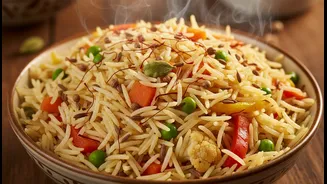
The secret to a show-stopping vegetable biryani doesn't lie in exotic ingredients. It's about treating common vegetables with respect. Peas, carrots, and bell peppers can shine if prepared correctly. The goal is to ensure they remain tender and flavourful, not mushy. Cut carrots and bell peppers into substantial, uniform chunks to help them withstand the cooking process. Many chefs recommend lightly pan-frying or sautéing the vegetables before adding them to the masala. This not only helps them hold their shape but also deepens their natural sweetness. Frozen peas can be added towards the end of the vegetable curry preparation to keep their vibrant colour and texture.
Building the Flavour Foundation
The soul of any biryani is its flavour base. This begins with frying thinly sliced onions until they are deeply golden brown and crisp, a component known as 'birista'. This is non-negotiable for authentic flavour. Part of the birista is crushed and used in the vegetable marinade, while the rest is reserved for layering. The vegetables should be marinated in a mixture of thick yogurt, ginger-garlic paste, and a blend of aromatic spices like turmeric, red chilli powder, coriander powder, and a quality biryani masala. Allowing the vegetables to marinate for at least 30 minutes lets them absorb these complex flavours.
The Art of Perfectly Cooked Rice
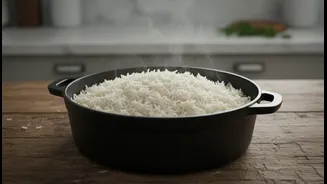
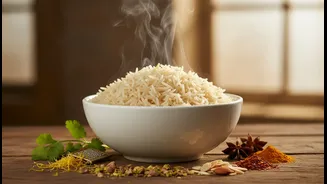
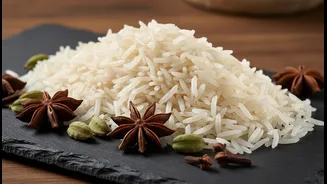
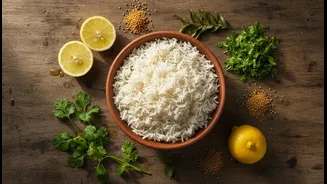
The quality of a biryani stands or falls on its rice. Always use high-quality, long-grain basmati rice. The first step is to wash the rice thoroughly until the water runs clear, then soak it for at least 30 minutes. This process removes excess starch and helps the grains cook up fluffy and separate. The rice is then par-cooked in a large pot of boiling water seasoned with whole spices like bay leaves, cardamom, and cloves, along with salt. The key is to cook it only until it's about 70% done—firm to the bite but not raw. Draining it at the right moment is crucial to prevent it from becoming sticky.
The Grand Assembly and the 'Dum' Technique
Layering is what separates biryani from pulao. In a heavy-bottomed pot, alternate layers of the cooked vegetable masala and the par-cooked rice. Sprinkle each layer of rice with saffron-infused milk, chopped mint and coriander leaves, a drizzle of ghee, and a generous scattering of the crispy fried onions (birista). Once layered, the pot must be sealed tightly to trap the steam. This process, known as 'dum pukht', which means 'to breathe and to cook', allows the components to slow cook in their own aromas, melding the flavours together beautifully. You can seal the lid with dough or simply use a tight-fitting lid with a layer of aluminium foil. The pot is then cooked on a very low flame, often with a tawa (griddle) underneath to diffuse the heat, for about 25-30 minutes.