







The Ripeness Factor: Green vs. Yellow
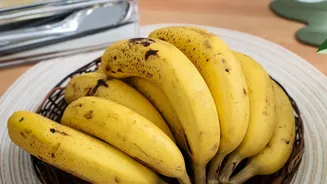
Before picking a time, consider the banana's ripeness, as its nutritional profile changes significantly. A greener, underripe banana is high in resistant starch, which functions like fiber. This makes it great for blood sugar control and promoting a feeling
of fullness, which can aid in weight management. As a banana ripens and turns yellow, that starch converts into simple sugars like fructose and glucose, making it sweeter and a source of quick energy. A fully ripe banana also contains higher levels of antioxidants. So, the 'best' banana depends on what you need: sustained energy and gut health from a green one, or a quick fuel-up and antioxidants from a ripe one.
For a Morning Energy Boost
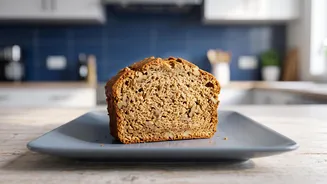
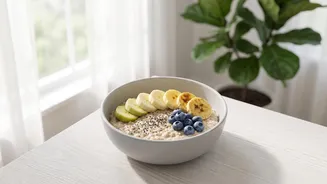
While a banana can provide a quick energy lift to start your day, eating one on an empty stomach might not be ideal for everyone. The high natural sugar content in a ripe banana can cause a rapid spike in blood sugar, potentially followed by a crash that leaves you feeling tired. To avoid this, nutrition experts recommend pairing your morning banana with a source of protein or healthy fat. Combining it with Greek yogurt, a handful of nuts, or spreading it on whole-grain toast with peanut butter slows down sugar absorption, providing more stable, sustained energy to carry you through the morning.
As a Pre-Workout Power-Up
Eating a banana 30 to 60 minutes before you exercise is widely considered a perfect strategy for enhancing performance. The easily digestible carbohydrates in a ripe banana provide a quick and efficient source of fuel for your muscles. This helps top up your glycogen stores, which are crucial for sustained energy during both cardio and strength training. Furthermore, the potassium in bananas can help prevent muscle cramps during your workout. Unlike heavier snacks, a banana is light and generally easy on the stomach, minimizing the risk of digestive discomfort during physical activity.
For Post-Workout Recovery
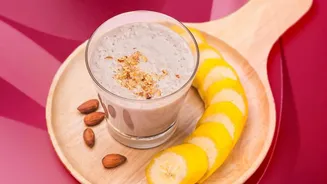
A banana is just as beneficial after a workout as it is before. Consuming one within 30 to 60 minutes of finishing your exercise helps replenish the muscle glycogen you just burned through. This is vital for recovery, especially if you train frequently. Bananas also help restore electrolytes like potassium that are lost through sweat. To maximize recovery and support muscle repair, pair your post-workout banana with a protein source. A banana blended into a protein shake or eaten alongside a bowl of Greek yogurt is an effective combination that aids in both refueling and rebuilding muscle tissue.
As a Bedtime Snack
If you feel hungry before bed, a banana can be a smart choice to promote better sleep. They contain magnesium and potassium, two minerals that help relax muscles. Bananas also provide tryptophan, an amino acid that the body converts into serotonin and then melatonin, the hormone that regulates sleep. Having a banana about an hour before bed can help you wind down without feeling overly full. For most people, they are gentle on the stomach and unlikely to cause digestive issues that might disrupt sleep.