



The Fine Hair Frustration
First, it helps to understand the nature of fine hair. It’s not necessarily about having less hair (that’s thinness), but about the diameter of each individual strand. Fine hair strands are smaller and more delicate than other hair types. This delicate structure
makes them more susceptible to being weighed down. Think of it like a silk thread versus a rope; the silk thread will naturally droop under less weight. This is why fine hair often appears flat or limp and can struggle to hold a style. The natural oils from your scalp can also travel down these finer strands more easily, which can make hair look greasy and even flatter.
How Layers Create Volume
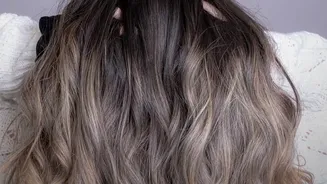
A well-executed layered cut is a game-changer for fine hair. By cutting sections of hair at different lengths, a stylist removes weight, which allows the roots to lift away from the scalp. This strategic removal of bulk creates texture, dimension, and, most importantly, movement. The layers work together to give the illusion of a fuller, more dynamic hairstyle. Instead of a single, heavy curtain of hair that pulls itself down, layers create a more structured and voluminous shape that can beautifully frame the face.
The Heavy Product Problem
Here's where things go wrong. You have this fantastic, lightweight cut, but then you apply heavy styling products. Ingredients like certain silicones, heavy oils, petrolatum, waxes, and thick creams coat each delicate strand. This added weight directly counteracts the effect of the layers. The products essentially glue the strands together and pull them down, collapsing the airy structure your stylist created and leaving your hair looking flat and lifeless. It's a common mistake; over 60% of people who are unhappy with their layered styles are reportedly using products designed for single-length hair, which are often too heavy.
Your Lightweight Styling Kit
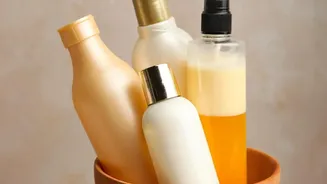
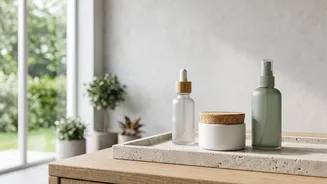
To support your layers, not sabotage them, you need a toolkit of lightweight products. Look for water-based formulas specifically designed for fine hair. Excellent options include volumizing mousses, root-lifting sprays, and texturizing mists. A mousse applied to damp hair provides a foundational lift, while a root-lifting spray gives targeted volume right at the scalp where you need it most. For finishing, a dry texturizing spray can add grip and body to dry hair, enhancing the separation of your layers for that perfectly tousled look. When it comes to conditioners, stick to lightweight formulas and apply them only from the mid-lengths to the ends to avoid weighing down your roots.
Technique Makes a Difference
How you apply your products is just as important as what you're using. Always start with a small amount; you can add more if needed. When using a mousse or root lifter, focus the application on damp roots before you blow-dry. A great trick is to blow-dry your hair upside down, as this encourages the roots to lift away from the scalp, creating maximum volume. Once your hair is dry, you can use a light-hold hairspray or a texturizing powder at the roots for a final boost and to help your style last throughout the day without stiffness.