







What is Quantum Computing, Simply?
Imagine a regular computer. It thinks in bits, which are like light switches: either on (1) or off (0). It's a powerful but fundamentally binary system. Quantum computers are different. They use 'qubits', which can be a 1, a 0, or both at the same time,
a principle called superposition. This ability to exist in multiple states at once allows quantum machines to process massive amounts of information simultaneously. For certain complex problems in fields like medicine, materials science, and finance, they have the potential to find solutions that are practically impossible for even the most powerful classical supercomputers. It's a game-changing technology that promises to unlock new frontiers in science and industry.
The Access Bottleneck
For years, the biggest challenge for aspiring quantum developers in India has been the lack of access to physical hardware. While many students and researchers have learned quantum theory through online courses and cloud-based simulators, these tools have limitations. Actually testing and interacting with a real quantum computer is crucial for deep learning and hardware innovation. Without it, developing new components or algorithms is like learning to drive a car using only a video game. Previously, Indian startups or defence labs needing to test components had to seek expensive and restricted access in Europe, facing long waits and high costs, as facilities in the US, China, and Japan were often inaccessible. This created a significant barrier to homegrown innovation.
A Quantum Gateway in Bengaluru
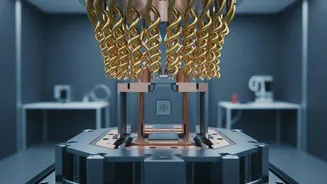
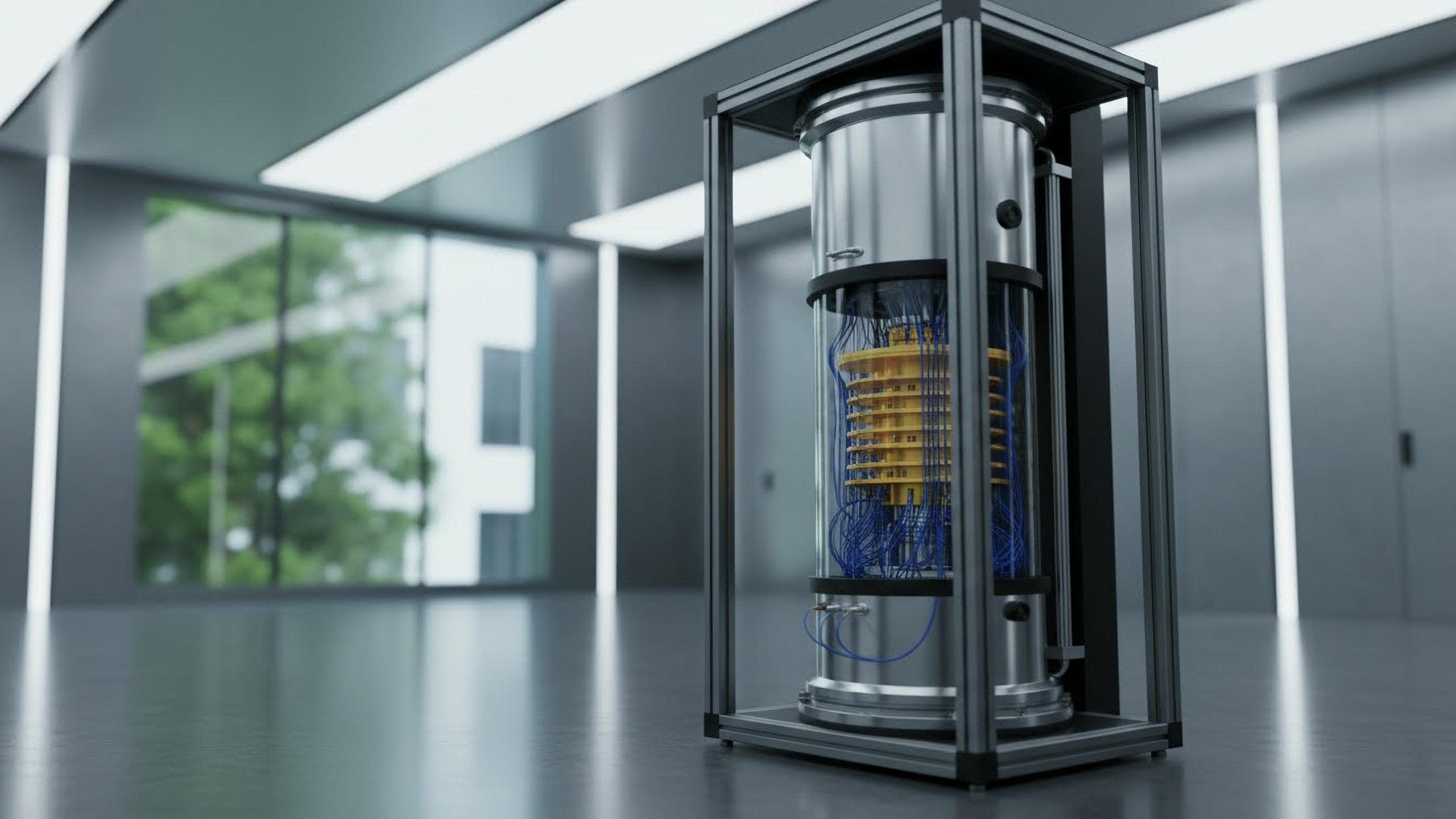
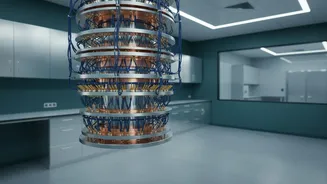
A transformative milestone was recently achieved at Alliance University in Bengaluru, which inaugurated a dedicated quantum computing centre on its campus. In a partnership with Bengaluru-based firm QpiAI, the university has installed an 8-qubit 'QVidya' superconducting quantum computing system. This makes it the first private university in India to house and operate a physical quantum computer on its premises, providing direct, hands-on access to its students and the broader ecosystem. The centre, named AU-QUASAR (Alliance University – Quantum AI School for Advanced Research), aims to be a hub for over 200 global tech companies, defence PSUs, and the thousands of startups in the region.
Nurturing Future Talent
The primary goal of this initiative is to bridge the gap between theoretical knowledge and practical application, creating a new generation of quantum-ready engineers. Students will move from designing circuits on simulators to running experiments on an actual quantum machine. This hands-on experience is invaluable for building the skilled workforce India needs to become a leader in this emerging field. As Infosys co-founder Kris Gopalakrishnan noted at the inauguration, institutions like Alliance University are creating the ecosystem required to nurture future innovators and researchers. Another initiative by Manipal Academy of Higher Education (MAHE) is also establishing a quantum hub in Bengaluru, with a goal of training 100 quantum engineers by the end of 2026 through programs combining coursework and lab training.
Powering a New Wave of Startups
Beyond academia, this local access to quantum hardware is a massive boost for India's vibrant startup scene. Entrepreneurs developing quantum software or hardware components no longer have to rely on expensive foreign testbeds. By providing an open-architecture system, these new centres allow for indigenous component development, calibration, and hardware integration. This drastically lowers the barrier to entry for deep-tech startups and encourages local innovation in the quantum supply chain. The ability to quickly test and validate ideas on a real machine accelerates the development cycle, potentially leading to breakthroughs in fields from drug discovery to financial modeling. It's a critical step in building a self-reliant quantum ecosystem in India, moving from being a technology consumer to a technology creator.