




An Invisible Jolt in the Sky
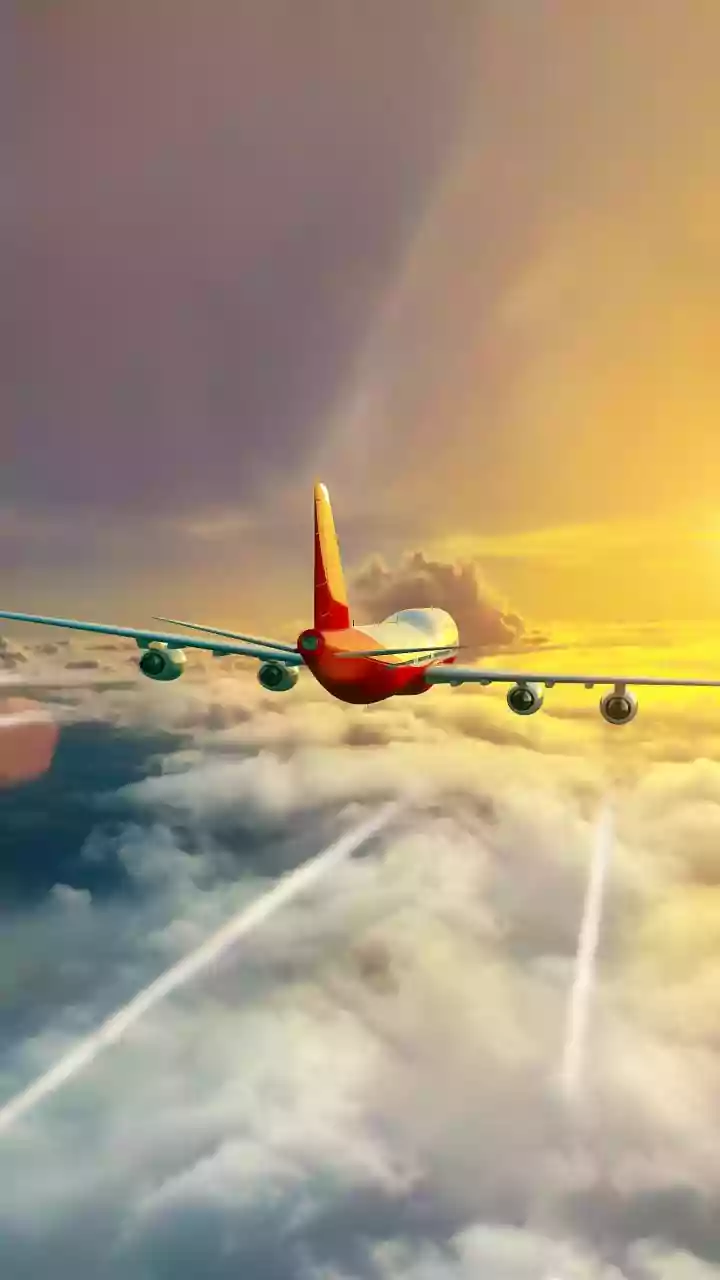
On August 4, 2026, passengers on Air India flight AI2379 from Phuket to Delhi experienced a terrifying few moments. While cruising at altitude, the aircraft encountered what is known as severe clear-air turbulence (CAT), causing it to suddenly lose altitude.
The jolt was violent enough to throw unbuckled passengers and crew members towards the cabin ceiling, resulting in multiple injuries. The incident, which is now under investigation, perfectly illustrates the primary danger of turbulence: it can strike without any visual warning. Unlike turbulence associated with storms, CAT occurs in cloudless skies, often when the aircraft passes through shifting air currents or jet streams. Pilots have little to no advance warning for these pockets of rough air, making passenger preparedness the first and best line of defense.
The Non-Negotiable Rule: Your Seatbelt
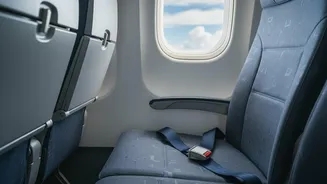
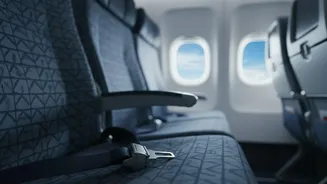
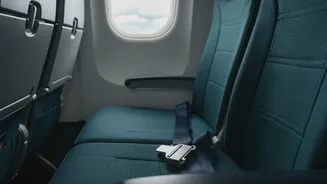
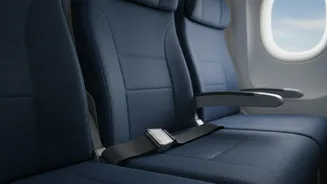
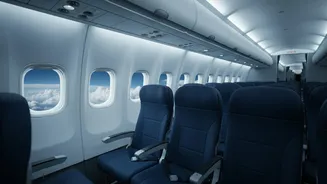
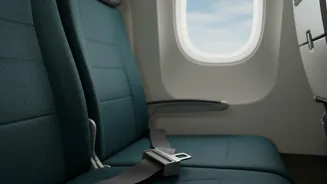
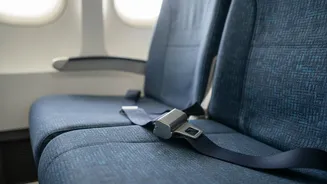
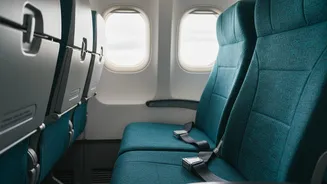
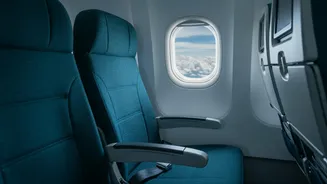
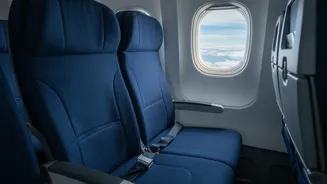
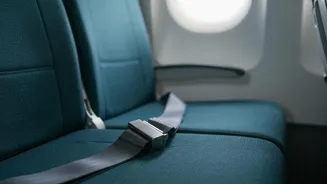
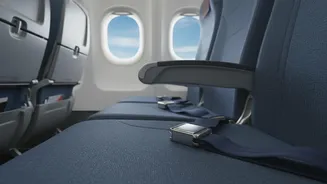
Aviation experts and regulatory bodies like the Federal Aviation Administration (FAA) are unanimous on the single most effective way to prevent injury from turbulence: keep your seatbelt fastened whenever you are seated. During the Air India incident, passenger accounts confirmed that those who were not wearing their seatbelts were the ones who were tossed around the cabin. This is not an isolated phenomenon. Data consistently shows that the majority of serious injuries from turbulence happen to passengers and crew who are not secured in their seats. The seatbelt sign is not just a suggestion for takeoff and landing; it is a critical safety command. Many airlines now recommend keeping your belt fastened throughout the flight, even when the sign is off, as clear-air turbulence can occur unexpectedly at any moment. Simply buckling up transforms a potentially dangerous jolt into a manageable bump.
Secure Your Surroundings
Beyond the seatbelt, reducing injury risk involves being mindful of your immediate environment. Personal items in seat-back pockets and, more importantly, carry-on luggage must be properly stowed. During severe turbulence, an unsecured laptop, water bottle, or suitcase can become a dangerous projectile. Always ensure your bags are placed completely under the seat in front of you or in an overhead bin that is securely latched. Be equally cautious with hot beverages. A sudden drop in altitude can send hot coffee or tea flying, causing burns. It is wise to wait until the flight is smooth before ordering a hot drink and to consume it carefully. These small acts of diligence contribute significantly to overall cabin safety for you and your fellow passengers.
Trust the Crew and the Aircraft
While turbulence can be frightening, it is important to remember that modern aircraft are built to withstand forces far greater than those encountered in even severe turbulence. A plane's wings are designed to be flexible to absorb the stress of rough air. It is almost unheard of for turbulence to be the cause of a crash. Your flight crew is highly trained to handle these events. Pilots use sophisticated weather tracking to avoid known areas of turbulence and will often change altitude to find smoother air if an unexpected patch is encountered. Cabin crew are trained to secure the cabin and render first aid. The most helpful thing a passenger can do is remain calm, return to their seat immediately when instructed, and follow all crew directions. Their primary job is to ensure your safety.