




More Than Just a Seasonal Spice
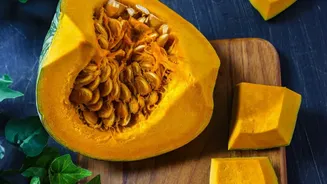
When you hear 'pumpkin breakfast,' your mind might jump to sweet, cinnamon-heavy drinks and desserts. But in India, pumpkin, or kaddu, has long been a versatile kitchen staple, celebrated for its subtle sweetness and creamy texture in savoury dishes.
It’s time we reclaim it for the most important meal of the day. Nutritionally, pumpkin is a powerhouse. It's packed with Vitamin A, which is crucial for good vision, and loaded with fiber to aid digestion. Its rich beta-carotene content, which gives it that vibrant orange hue, helps boost the immune system. It’s also a good source of potassium, which can help regulate blood pressure. By incorporating it into our breakfast, we’re not just following a trend; we’re adding a dose of serious health benefits to our morning routine.
The Savoury Flatbread Reinvention
Perhaps the easiest and most intuitive way to welcome pumpkin to the breakfast table is through our beloved flatbreads. Think soft, flavourful pumpkin parathas or fluffy, savoury pumpkin cheelas (pancakes). For parathas, simply add grated or pureed pumpkin directly into your whole wheat flour dough. The pumpkin’s natural moisture makes the dough incredibly soft, often reducing the need for extra water or oil. Pair it with classic Indian spices like ajwain (carom seeds), turmeric, and a pinch of garam masala. For a quicker option, a pumpkin cheela is perfect. A simple batter of besan (chickpea flour) or suji (semolina) mixed with grated pumpkin, coriander, green chillies, and ginger creates a delicious and instant breakfast. These savoury pancakes are a fantastic way to get vegetables into your family’s diet first thing in the morning.
A Comforting Twist on Upma and Dalia
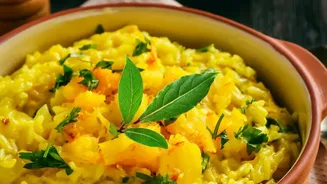
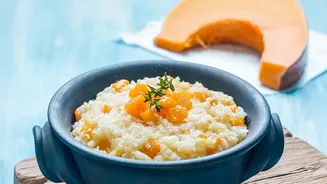
Upma, dalia, and poha are breakfast staples in many Indian households, and they are wonderfully adaptable. Adding pumpkin can elevate these simple dishes by providing extra nutrients, moisture, and a subtle, earthy sweetness that complements the savoury flavours. For pumpkin upma, you can add finely grated pumpkin to the pan along with the onions and other vegetables. As it cooks down with the suji, it lends a beautiful colour and a creamy consistency to the final dish. The process is similar for dalia (cracked wheat porridge). The slight sweetness of the pumpkin balances the heat from green chillies and the sharpness of ginger, creating a perfectly balanced and filling meal. It’s a simple change that adds a significant nutritional boost without altering the fundamental character of these comforting classics.
A Sweet and Healthy Start
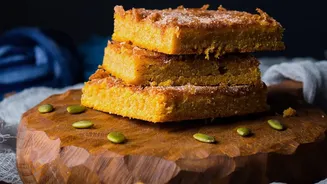
While savoury options are a natural fit, let’s not forget the sweet possibilities. A breakfast-friendly pumpkin halwa can be a wonderful weekend treat. Instead of loading it with sugar, you can use jaggery or dates for a more natural sweetness. Cook grated pumpkin in a little ghee until soft, add your choice of sweetener, and finish with a generous sprinkle of cardamom powder and toasted nuts. This version is lighter than its dessert counterpart but just as satisfying. Another idea is to blend pumpkin puree into your morning smoothie with yogurt, a banana, and a pinch of Indian-inspired spices like cardamom or fennel. It creates a thick, creamy, and incredibly nutritious drink to power you through your day.
Crafting Your Own 'Indian Pumpkin Spice'
The famous Western 'pumpkin spice' is typically a blend of cinnamon, nutmeg, ginger, and cloves. While delicious, we can create our own mix that speaks to an Indian palate. Think of the spices you already use with kaddu in sabzis and curries. A blend of roasted cumin powder, coriander powder, a touch of garam masala, and perhaps some tangy amchur (dried mango powder) creates a wonderful savoury spice mix for parathas and cheelas. For sweeter applications, ground cardamom, fennel (saunf), a hint of dried ginger powder (sonth), and a tiny pinch of cinnamon can create a warm, fragrant blend that feels both new and familiar. Experimenting with these combinations is the key to truly making the pumpkin trend your own.