





What is a Marine Heatwave?
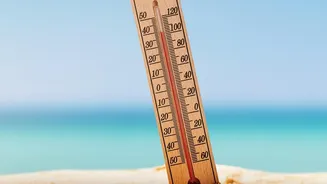
Think of it as a heatwave on land, but in the ocean. A marine heatwave is an extended period where water temperatures are abnormally high for that time of year. Scientists typically define it as a period of at least five days where sea temperatures are in the top
10% of historical averages for that specific region and season. These events have doubled in frequency since 1982 and can last for weeks, months, or even years, affecting vast stretches of the ocean from the surface to the seafloor. The primary driver is climate change, with oceans having absorbed over 90% of the excess heat from greenhouse gas emissions. This persistent warming creates a higher baseline temperature, making it easier for weather patterns and ocean currents to tip the scales into extreme heat events.
A Planet's Fever Breaks Records
Recent data paints a stark picture of a planet in hot water. In August 2026, the daily global average sea surface temperature hit 21.1°C, a new all-time high, surpassing previous records set in 2024. This is particularly alarming as ocean temperatures typically peak in March, not August. Throughout 2026, the global ocean has experienced sustained and exceptional warmth, with the first half of the year being the second warmest on record. By June 2026, about 82% of the global ocean was experiencing marine heatwave conditions. This trend is amplified by a strong El Niño event, which adds further warmth to an already supercharged system.
The Devastating Impact Below the Surface
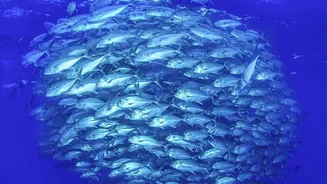
The consequences of these underwater heatwaves are dire and often irreversible. For marine ecosystems, they are catastrophic events that can lead to mass mortality. Coral reefs, the vibrant cities of the sea, are particularly vulnerable. Sustained high temperatures cause them to expel their symbiotic algae, a process known as coral bleaching which, if prolonged, leads to death. Kelp forests and seagrass meadows, crucial habitats for countless species, can die back entirely. This habitat destruction has a domino effect up the food chain, forcing fish populations to migrate in search of cooler waters and disrupting the livelihoods of those who depend on them. In some cases, entire ecosystems have been wiped out.
Why This Matters for India
This is not a distant problem; it is a direct threat to India. The Indian Ocean is warming faster than any other tropical ocean, and marine heatwaves have become an annual occurrence. In April 2026, India's own ocean watchdog, INCOIS, issued alerts for marine heatwaves across the Arabian Sea and the Bay of Bengal. These warming waters pose a severe risk to India's coastal communities. An underwater survey after a 2020 heatwave found that 85% of corals in the Gulf of Mannar were bleached. For a nation with over 7,500 kilometres of coastline and a fishing industry that supports millions, the disruption of fish populations and damage to reefs threaten both food security and economic stability.
A Ripple Effect on Land
The ocean's fever doesn't stay in the water. Warmer seas fuel more powerful and intense tropical cyclones, a significant concern for India's eastern and western coasts. Research shows that between 1980 and 2020, nearly 90% of cyclones in the Bay of Bengal and Arabian Sea were preceded by marine heatwaves. Furthermore, these events are now understood to influence India's lifeline: the monsoon. By altering atmospheric circulation and increasing evaporation, marine heatwaves can change rainfall patterns, creating uncertainty for the agricultural sector that underpins the nation's economy and feeds its people.