
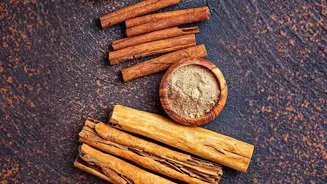
The Two Main Types: Ceylon vs. Cassia
In the world of cinnamon, there are two major players you'll encounter. The first is Ceylon cinnamon, which comes from the Cinnamomum verum tree and is known as “true cinnamon.”. It is native to Sri Lanka and southern India. The second, and far more common
variety, is Cassia cinnamon.. What most people in India and around the world buy and use as cinnamon is actually one of several subspecies of Cassia, which primarily originates from China, Indonesia, and Vietnam.. While both are sold as 'cinnamon', they are different species with distinct characteristics.
Reading the Label: What to Look For
This is where a little knowledge goes a long way. Because Cassia is much cheaper and more widely produced, if a package is simply labelled “cinnamon” or “dalchini,” it is almost certainly Cassia.. To find true cinnamon, you need to look for more specific terms on the ingredient list. Look for the words “Ceylon Cinnamon” or the scientific name, “Cinnamomum verum.”. Sometimes you may also see it called “true cinnamon.” If the label lists “Cinnamomum cassia,” “Cinnamomum aromaticum,” or offers no specific variety, you can confidently assume you are holding Cassia..
Why It Matters: Flavour and Aroma
The difference in taste is significant and can impact your cooking. Ceylon cinnamon has a delicate, complex, and subtly sweet flavour with light, citrusy notes.. This makes it ideal for dishes where you want a refined hint of spice without overpowering other ingredients, such as in desserts, teas, or light curries. Cassia, on the other hand, is bold, spicy, and much more pungent.. Its strong, fiery kick is what many associate with the classic cinnamon flavour, making it suitable for robust dishes, baked goods like cinnamon rolls, and spice blends where it needs to stand up to other strong flavours.
The Health Consideration: Coumarin Content
Beyond flavour, there's a health-related reason to know your cinnamon. Cassia contains significantly higher levels of a compound called coumarin.. In large, regular doses, coumarin has been linked to potential liver strain or damage in sensitive individuals.. Ceylon cinnamon contains only trace amounts of coumarin, sometimes up to 250 times less than Cassia, making it a much safer choice for daily or heavy consumption.. If you sprinkle cinnamon on your oatmeal every morning or drink it in tea frequently, opting for Ceylon is a wise decision for your long-term health. For occasional use, the coumarin level in Cassia is not a cause for major concern..
A Visual Guide for Whole Sticks
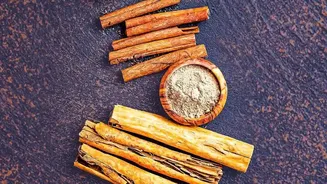
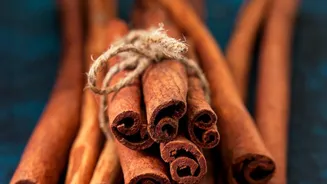
If you are buying whole cinnamon sticks, or quills, the difference is easy to spot once you know what to look for. Ceylon cinnamon sticks are light tan-brown and composed of many thin, paper-like layers of bark rolled together into a fragile quill that resembles a cigar.. They are easy to break and crumble. Cassia sticks are darker reddish-brown, much thicker, and typically consist of a single, hard layer of bark rolled into a hollow tube.. They are very tough and difficult to break by hand.
Making the Right Choice for Your Kitchen
Ultimately, the “best” cinnamon depends on your needs. For everyday use, especially if you consume it frequently, the low coumarin content and delicate flavour of Ceylon make it the superior and safer choice.. For those occasional recipes where you need a powerful, spicy cinnamon punch, the more affordable and widely available Cassia will do the job perfectly well.. The goal isn't to eliminate one from your pantry, but to become an informed consumer who knows what they are buying and how best to use it for both flavour and well-being.