



Why Grow Your Own Herbs?
Starting a windowsill herb garden is more than just a charming project; it's a simple step towards a fresher lifestyle. Having herbs on hand elevates the flavour of everyday cooking, from dals to chutneys, ensuring you always have the most aromatic ingredients.
This small patch of green can also reduce your grocery bills and a trip to the market. Beyond the practical benefits of flavour and savings, tending to these plants can be a relaxing activity, bringing a touch of nature and well-being right into your home.
The Best Herbs for an Indian Kitchen
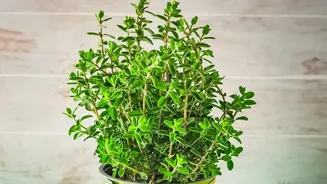
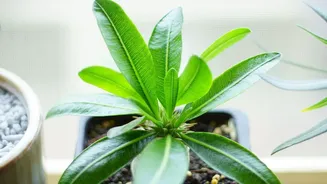
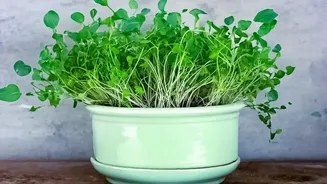
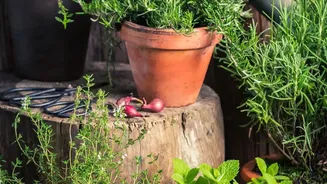
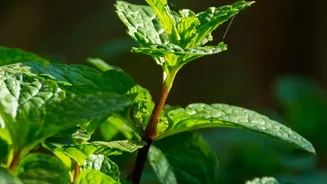
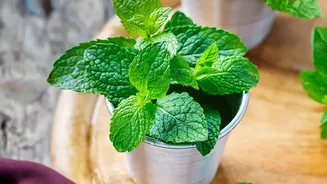
The key to success is choosing herbs that you love to cook with and that thrive indoors. For most Indian households, a few essentials are a great starting point. Tulsi (Holy Basil) is not just for your morning tea; it’s a hardy plant revered for its wellness benefits. Pudina (Mint) is incredibly easy to grow and perfect for chutneys, raitas, and refreshing drinks. It's so vigorous that it’s best kept in its own pot. Dhaniya (Coriander) is a staple garnish, and while it can be tricky, growing it in batches ensures a steady supply. Finally, Kadi Patta (Curry Leaves) is another must-have for tadkas, and a small plant can do well with enough light.
Pots, Soil, and a Sunny Spot
You don’t need fancy equipment to get started. The most important factor for your indoor herbs is light. Most herbs need at least four to six hours of sunlight each day, making a south or west-facing windowsill an ideal location. If your plants start to look sparse or lean in one direction, they're probably asking for more light. When it comes to containers, choose pots that are at least 6-8 inches deep to allow for healthy root growth. The single most crucial feature is drainage holes at the bottom to prevent water from logging and causing root rot—a common mistake for beginners. Use a lightweight, well-draining potting mix rather than heavy garden soil, which can compact in pots. You can improve drainage by adding some perlite or even sand to the mix.
The Art of Watering and Care
Overwatering is the fastest way to kill an indoor herb garden. A simple rule of thumb is to check the soil with your finger; if the top inch feels dry, it's time to water. Water thoroughly until you see it run out of the drainage holes, then let the pot dry out before watering again. Different herbs have slightly different needs. For instance, basil likes consistently moist soil, while herbs like oregano prefer to dry out between waterings. To keep your plants healthy and promote even growth, rotate them every few days so all sides get sun. Keeping the area around your plants humid, especially in dry weather, can also help. You can do this by misting them or placing the pots on a tray filled with pebbles and a little water.
Harvesting for Abundance
Don't be shy about using your herbs. Regular harvesting actually encourages the plants to grow fuller and bushier. When you need some leaves, don't just pull them off. Use scissors to snip what you need. For leafy herbs like basil and mint, pinch off the top sets of leaves right above a leaf node. This encourages the plant to branch out, creating a fuller plant instead of a single, tall stem. For herbs like coriander and parsley, you can harvest the outer leaves first, allowing the centre of the plant to continue producing new growth. Allowing your herbs to flower can often reduce the flavour and productivity of the leaves, so regular trimming helps keep them in a leafy state for longer.