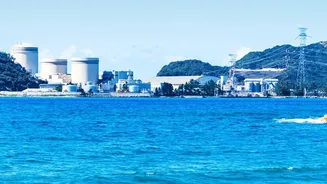

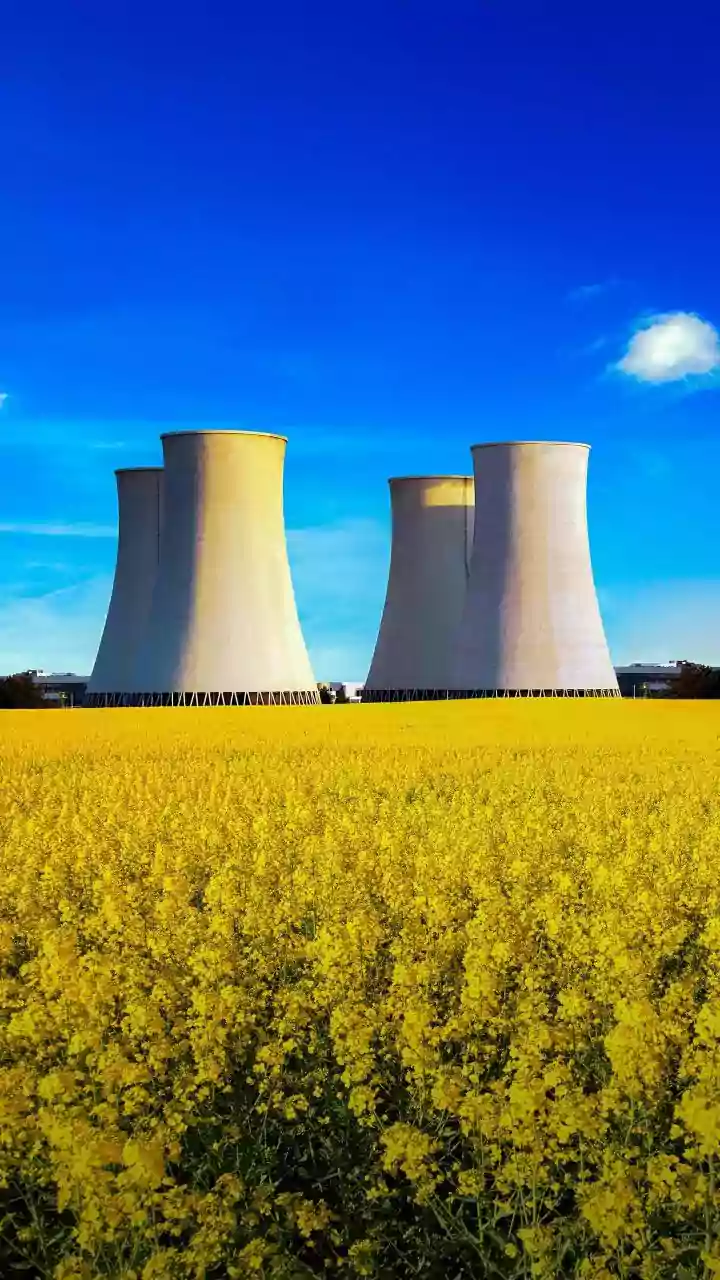



As the world seeks pathways to secure, clean energy, nuclear power is re-entering the spotlight. The International Atomic Energy Agency (IAEA) projects a significant global expansion by mid-century, but this future isn't guaranteed.
An Ambitious Nuclear Future
The IAEA has consistently
revised its nuclear power projections upward in recent years. Its latest high-case scenario suggests global nuclear capacity could more than double by 2050, reaching nearly 1,000 gigawatts (GW(e)) from around 377 GW(e) in 2024. This aligns with a landmark declaration at the COP28 climate summit, where over 20 nations committed to work towards tripling global nuclear energy capacity by 2050 to help achieve net-zero emissions. The IAEA’s projections are not forecasts but plausible scenarios. The low case, assuming current trends continue without major policy shifts, still sees capacity growing by about 50%. Achieving the more ambitious high case, however, depends entirely on overcoming significant hurdles.
The Trillion-Dollar Question
The single biggest obstacle is financing. Building nuclear power plants is a capital-intensive endeavor, with projects costing billions of dollars and taking a decade or more to complete. To meet the IAEA’s high-case projection, annual investment in nuclear energy needs to surge to around USD 125 billion. To achieve the even more aspirational goal of tripling capacity as pledged at COP28, that figure rises to upwards of USD 150 billion per year. This is a steep climb from the roughly USD 50 billion invested annually between 2017 and 2023. Historically, the high upfront costs, long construction times, and market risks have made it difficult to secure funding, especially from the private sector. To bridge this gap, the IAEA is working with multilateral development banks like the World Bank to unlock new financing options, particularly for developing nations.
Enter the New Generation of Reactors
The second critical factor is the deployment of future reactors, most notably Small Modular Reactors (SMRs). These are advanced reactors with a capacity of under 300 megawatts, designed to be manufactured in factories and assembled on-site. This modular approach promises to reduce construction time and cost, enhance safety features, and provide greater flexibility. SMRs could power smaller grids, remote communities, or industrial complexes, providing both electricity and high-temperature heat for processes like hydrogen production. While only a few SMRs are in operation globally, dozens of designs are in various stages of development. In the IAEA's high-case scenario, SMRs could account for nearly a quarter of all new nuclear capacity added by 2050. Their successful and timely deployment, however, requires harmonized regulations and resilient supply chains.
Beyond Money and Technology
Even with sufficient funding and new technology, the path to a nuclear expansion faces other challenges. The supply chain for nuclear fuel, particularly the conversion and enrichment of uranium, is concentrated in a few countries, creating potential geopolitical risks. While identified uranium resources are considered sufficient to meet demand through 2050, turning those resources into usable fuel requires sustained investment in exploration and mining. Furthermore, scaling up nuclear power requires robust regulatory frameworks, a skilled workforce, and continued public engagement and acceptance. Long term strategies for managing radioactive waste also remain a crucial part of the conversation for any country expanding its nuclear footprint.
The Bigger Picture for Global Energy
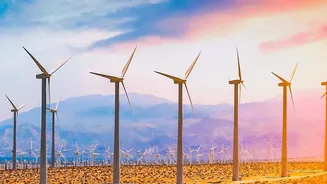
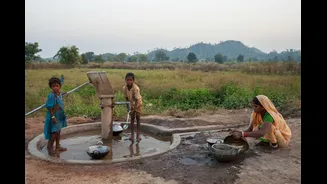
The renewed push for nuclear power is driven by the urgent need for reliable, carbon free energy to complement intermittent renewables like wind and solar. Nuclear plants provide consistent baseload power, which is essential for grid stability, especially as electricity demand is projected to rise significantly with the growth of data centers, AI, and the electrification of transport. For countries across the world, including India with its own growing energy needs, the trajectory of nuclear power represents a key variable in the global effort to ensure energy security while combating climate change. The decisions made in the coming decade on investment, technology, and policy will determine whether nuclear energy can fulfill the ambitious role envisioned for it in a net zero world.