


The Allure of the Spice Box
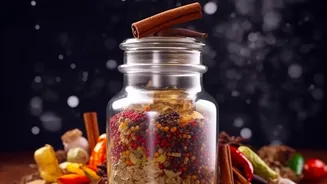
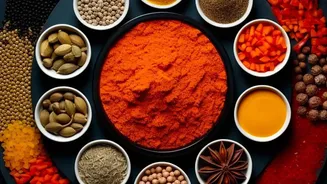
In a country celebrated for its mastery of spices, it’s natural to believe that more is more. The Indian spice box, or masala dabba, is a treasure chest of colours, scents, and potential flavours. Faced with this incredible palette, the temptation to add
a pinch of everything is strong. We hope for a complex symphony of flavour, but the result is often a muddled, uniform taste that can only be described as generically 'spicy'. Instead of a dish where you can taste the earthiness of cumin and the bright notes of coriander, you get a flavour that is loud but indistinct.
When Flavours Compete, Nobody Wins
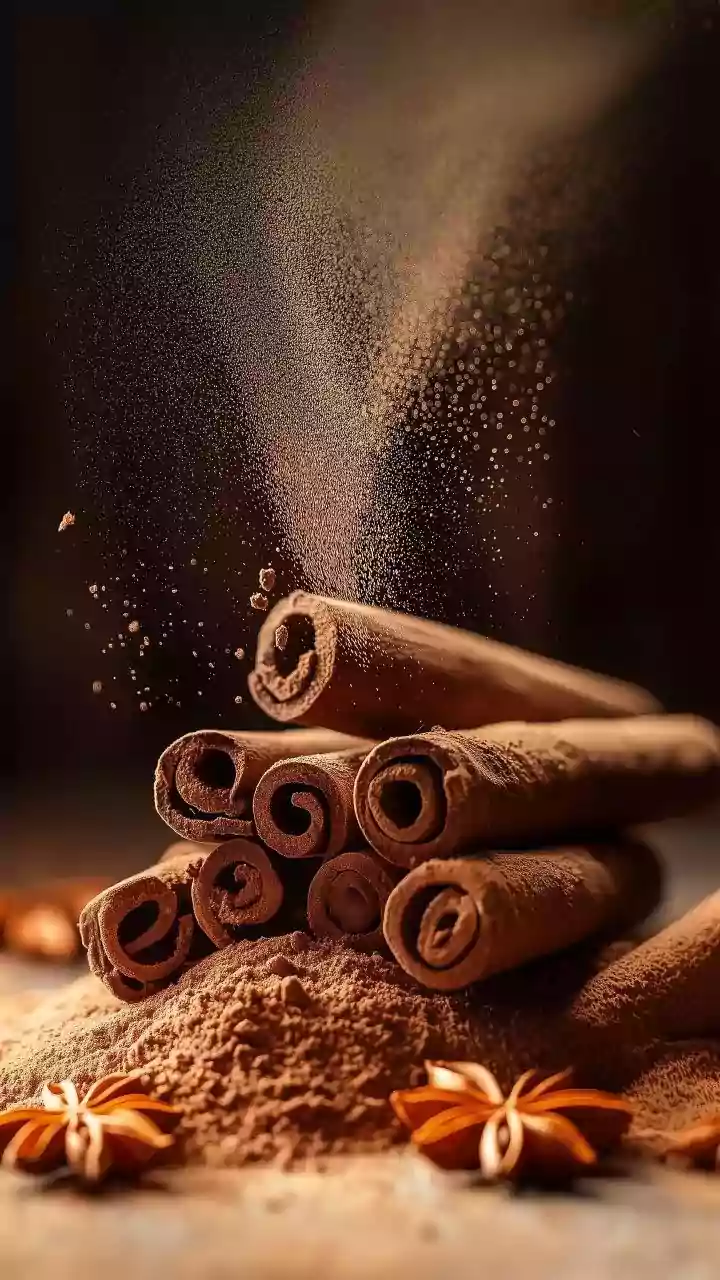
The core issue is that spices, each with its own unique chemical compounds, compete for attention. When too many dominant aromas are introduced at once, they can cancel each other out, leading to a flat or 'muddy' flavour profile. Think of it like a conversation in a crowded room; if everyone talks at the same time, you can’t distinguish any single voice. Similarly, the potent compounds in spices like cloves, cinnamon, and star anise can easily overpower more delicate ones. Instead of a harmonious blend, you get a cacophony where no single flavour can shine, leaving the dish feeling less complex than intended.
The Science of Blooming and Layering
To unlock the true potential of your spices, it's crucial to understand two techniques: blooming and layering. Most of the aromatic compounds in spices are oil-soluble, not water-soluble. This means they need to be heated in fat—like oil or ghee—to release their full flavour. This process is known as 'blooming' or 'tadka'. When you add spices to hot oil, the heat opens up their cellular structure, and the fat acts as a vehicle, carrying those newly released flavour molecules throughout the entire dish. Simply dropping spices into a watery curry base means you miss out on this fundamental step, and the flavours won't be as deep or well-distributed.
An Artist’s Approach to Spices
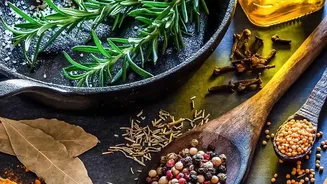
Great cooking is about building flavour in stages. Different spices release their aromas at different rates and under different conditions. A simple, effective method is to think of your spices in layers. Start by blooming whole spices (like cumin seeds, mustard seeds, or cinnamon sticks) in hot oil at the beginning of the cooking process. These are robust and release their flavour slowly. Next, add your aromatics like onion and garlic. After they have softened, add your ground spices (like coriander, turmeric, and chilli powder). Ground spices have more surface area and can burn quickly, so they need less time in the hot oil before you add a liquid like tomatoes or water.
Finishing with a Flourish
Finally, the most delicate and aromatic spices should be reserved for the end. Spices like garam masala, ground cardamom, or fresh herbs like coriander leaves have volatile compounds that evaporate quickly with heat. Adding them in the last few minutes of cooking, or even after the heat is turned off, preserves their bright, fresh aromas. This final layer provides a fragrant lift that completes the dish. A pre-made blend like garam masala is already a balanced composition; adding it at the end allows it to act as a finishing touch without getting lost or overcooked.