



The Incredible Journey of the Aloo
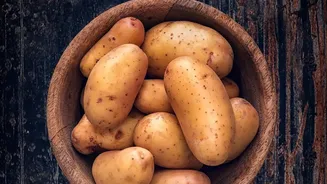
Few ingredients are as universally loved in India as the potato. Though it feels deeply Indian, the potato's journey to our plates is a fascinating story of global trade. Portuguese traders first introduced the 'batata' to India in the 17th century, primarily
along the western coast. Initially, its cultivation was limited, but the British later promoted it as a high-yield crop suitable for India's diverse climates. By the 19th century, it was being grown in the northern hill areas and had firmly planted its roots in Indian soil and kitchens. From a foreign novelty, the potato seamlessly integrated itself into regional cuisines, absorbing local spices and cooking techniques to become an indispensable part of our culinary identity.
North: Aloo Tikki, the King of Chaat
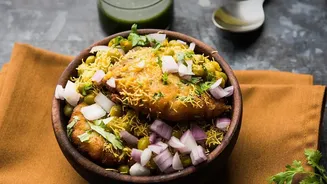
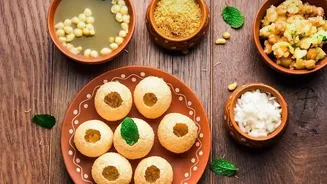
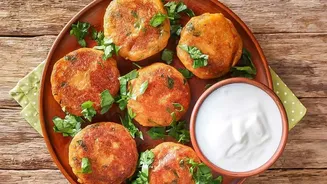
In the bustling lanes of Delhi and across North India, the potato transforms into Aloo Tikki, a celebrated street food. These spiced potato patties are shallow-fried until perfectly crisp on the outside and soft on the inside. Often, the patties are stuffed with a savoury filling of chana dal. The magic happens when the hot tikkis are smashed and generously topped with cool yoghurt, tangy tamarind chutney, spicy green chutney, and a sprinkle of chaat masala. This explosion of flavours and textures is more than just a snack; it's a cultural emblem of Delhi's vibrant street food scene.
East: Aloo Posto, a Bengali Classic
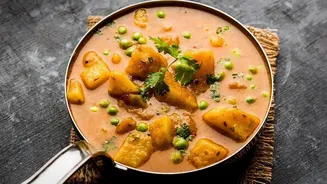
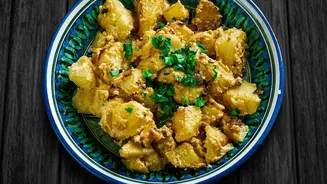
Head east to Bengal, and you'll find the potato in a more subtle, comforting avatar: Aloo Posto. This traditional dish is a beautiful example of how a few simple ingredients can create something profound. Cubed potatoes are gently cooked in a creamy, nutty paste of poppy seeds (posto). The dish is typically prepared without onion or garlic, allowing the distinct flavours of the poppy seeds and the pungent kick of mustard oil to shine through. Aloo Posto is deeply rooted in Bengali culture and history, believed to have originated when poppy cultivation was widespread in the region during the British era. Served with steamed rice and dal, it's considered quintessential comfort food.
West: Batata Vada, Mumbai's Favourite Snack
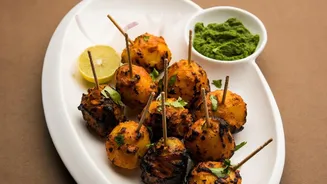
In Maharashtra, the potato is the heart of the iconic Batata Vada. 'Batata' is the Portuguese word for potato, a name that stuck on the western coast. The dish consists of a spiced mashed potato ball, coated in a gram flour (besan) batter and deep-fried to golden perfection. While delicious on its own with chutney, its most famous form is the Vada Pav. The story goes that in 1966, a street vendor named Ashok Vaidya started selling the vada tucked inside a bread roll (pav) outside Dadar station, creating an affordable and convenient meal for mill workers. Today, it’s fondly called the 'Bombay Burger' and is an inseparable part of Mumbai's identity.
Kashmir: Dum Aloo, a Royal Delicacy
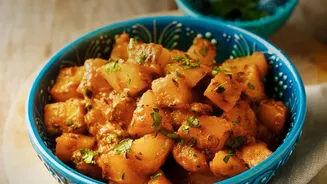
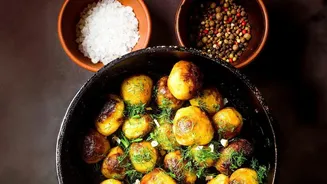
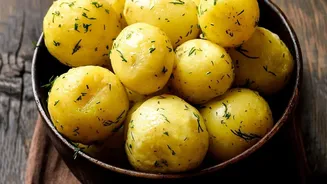
From the picturesque valleys of Kashmir comes Dum Aloo, a dish that is both rustic and regal. Originating from the Kashmiri Pandit cuisine, this dish showcases a unique cooking style. Baby potatoes are first fried and then slow-cooked ('dum' style) in a rich, aromatic gravy. Unlike many other curries, the base is made from yoghurt, perfumed with spices like fennel powder, dry ginger, and Kashmiri red chillies, which give the dish its signature vibrant colour without overwhelming heat. This slow-cooking process allows the potatoes to absorb all the fragrant spices, resulting in a dish that is complex in flavour and truly special.