
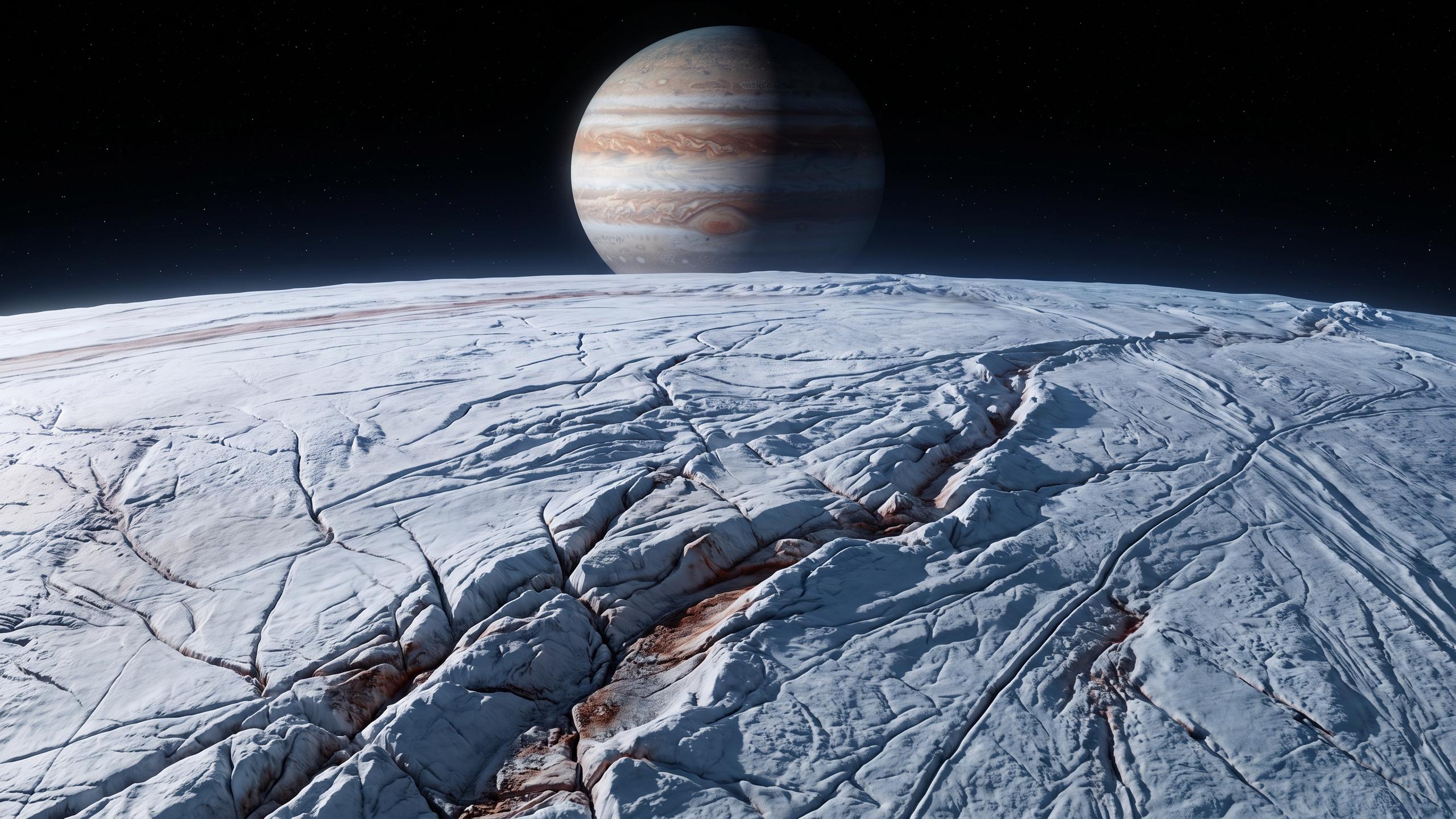
A New Perspective on a Familiar World
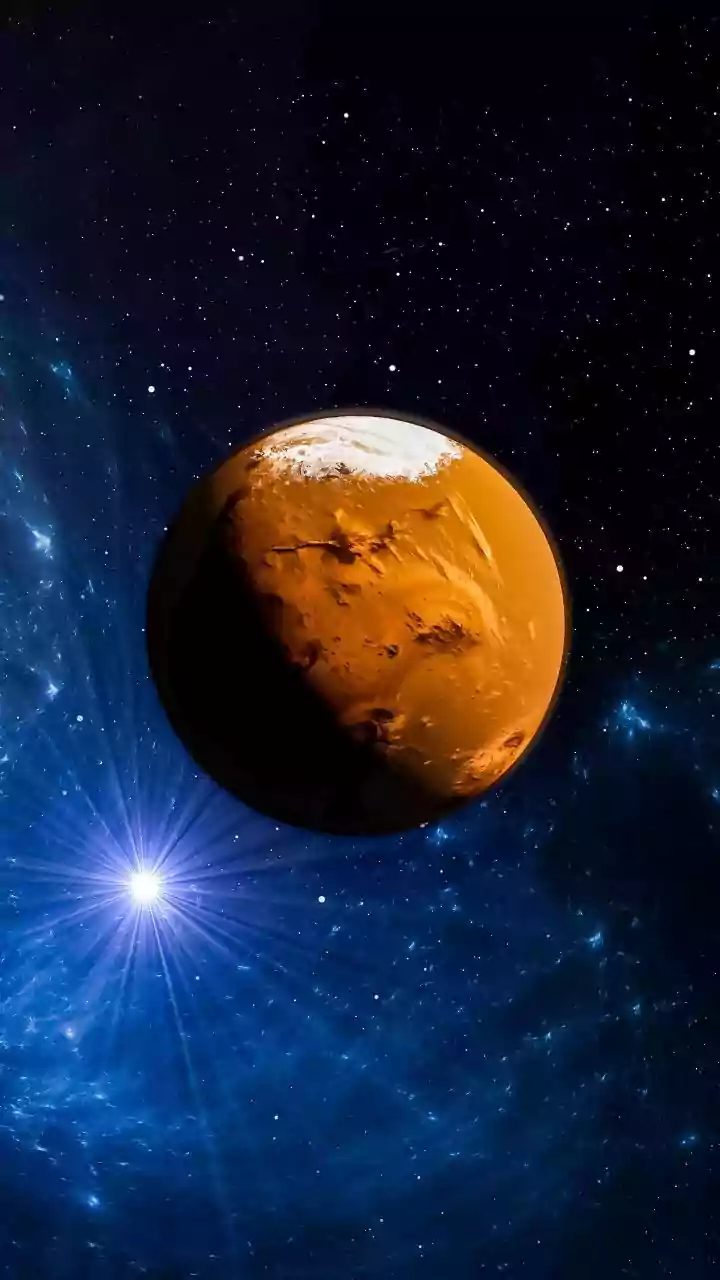
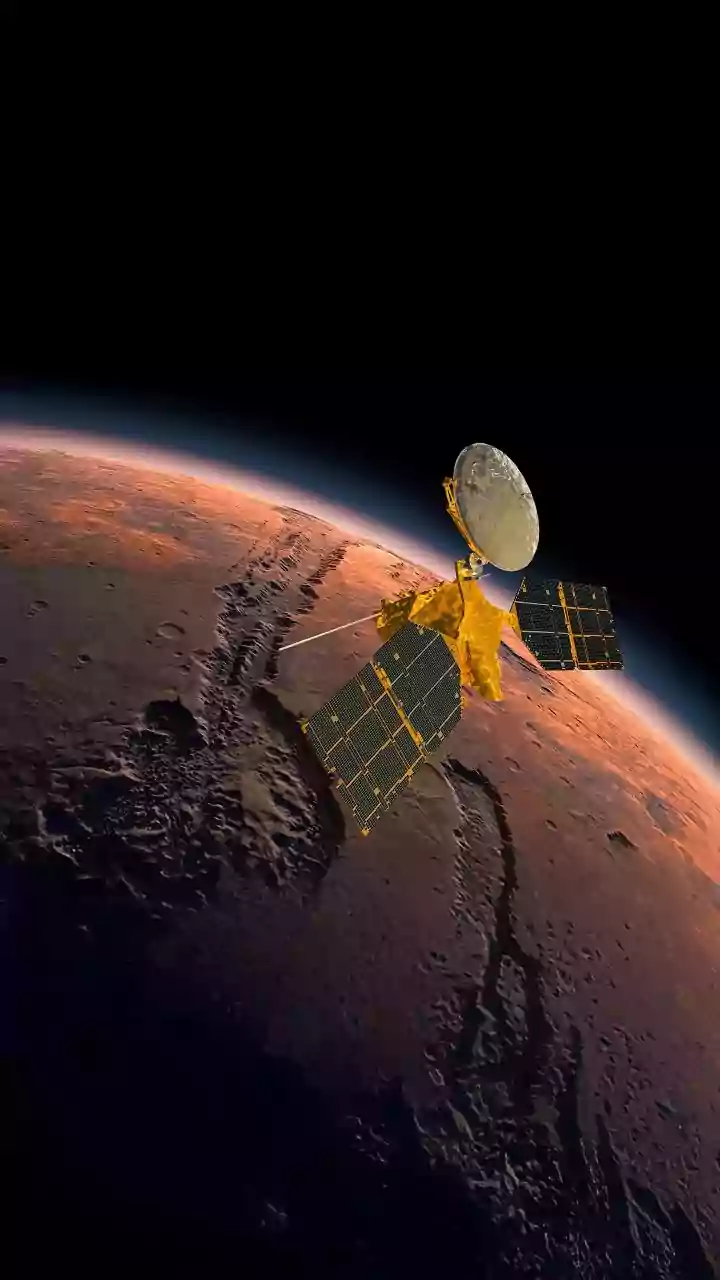
Since its arrival in orbit in February 2021, the UAE's Hope probe, also known as Al Amal, has been executing a unique mission. Unlike previous orbiters that studied Mars in narrow snapshots, Hope was designed to be the planet’s first true weather satellite.
By positioning itself in a high, wide orbit, it can monitor the entire planet over the course of a full Martian day. This global, 24/7 perspective is crucial for understanding the full life cycle of atmospheric phenomena, from dust storms to the subtle movement of heat. The mission's primary goal has always been to build the first complete picture of Mars's climate, linking its lower and upper atmospheric layers to understand why the planet lost its once-hospitable environment. It is this unprecedented viewpoint that has led to the latest breakthrough.
Ripples in the Martian Air
The new data, gathered by the probe's Emirates Mars Infrared Spectrometer (EMIRS), reveals the presence of vast temperature waves rippling through the atmosphere. Known as zonal waves, these are continent-sized bands of warmer and cooler air that travel around the planet. Think of them as the Martian equivalent of Earth’s jet streams and large-scale weather systems, but on a world with an atmosphere 100 times thinner than our own. Scientists have known about these waves for years from data gathered by missions like the Mars Global Surveyor, but their full nature remained elusive. These waves are fundamental to the planet's weather, acting as a powerful engine that moves heat and energy across the globe, influencing everything from surface temperature to wind patterns.
A Surprisingly Complex Weather Engine
What makes this new discovery so significant is the sheer complexity of the wave patterns Hope has observed. Previous missions could only catch glimpses, but Hope’s continuous global mapping shows multiple types of waves interacting simultaneously. Scientists categorize these waves by their 'wavenumber,' which essentially describes how many wave crests can fit around the planet at a given latitude. The data reveals a complex interplay of different wave modes—some are long, gentle ripples (wavenumber 1), while others are shorter and more numerous (wavenumber 2 or 3). This suggests that Mars's atmospheric dynamics are far more intricate and less uniform than current models had predicted. Seeing these different systems operating and potentially influencing each other at the same time is a huge leap forward in understanding the planet's climate.
Connecting the Lower Atmosphere to Space
These complex waves are more than just a weather curiosity; they are likely a key mechanism for how the entire Martian atmosphere works together. They provide a physical link between the lower atmosphere, where famous dust storms are born, and the tenuous upper atmosphere, where gases like hydrogen and oxygen are slowly stripped away and lost to space. By transporting energy and momentum vertically, these waves can influence the rate of this atmospheric escape—a central mystery the Hope Mission was designed to solve. Understanding this connection is vital to piecing together the story of how Mars transformed from a potentially wet and warm world into the cold, arid planet we see today.
A Better Forecast for Future Missions
Beyond pure science, this discovery has profound practical implications. Accurate weather forecasting is a critical and notoriously difficult part of planning missions to Mars. Unexpected dust storms and extreme temperature shifts pose a serious risk to both robotic landers and future human explorers. By revealing the hidden complexity of the Martian weather engine, the Hope probe's data will allow scientists to build far more sophisticated and reliable climate models. These improved forecasts will be essential for ensuring the safety and success of the next generation of surface missions, paving the way for a more robust and sustained human presence on the Red Planet.