

1. The Mighty Millets
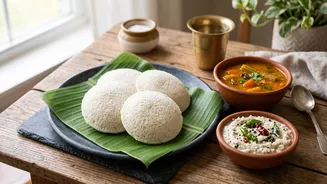
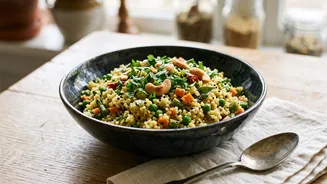
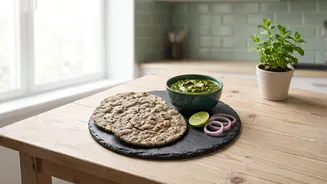
For centuries, millets like jowar (sorghum), bajra (pearl millet), and ragi (finger millet) were the backbone of Indian diets. However, the Green Revolution's focus on high-yield wheat and rice saw these hardy grains relegated to being seen as 'poor man's
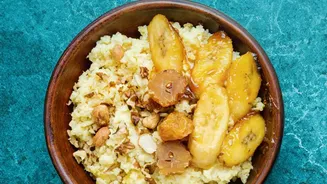
food'. Today, that perception has flipped entirely. A growing awareness of health and wellness has spotlighted millets for their impressive nutritional profile; they are gluten-free, high in fibre and protein, and have a low glycemic index, making them ideal for managing diabetes. This resurgence is also supported by government initiatives and a renewed interest in sustainable, climate-resilient crops. Chefs and home cooks are now creatively incorporating millets into everything from dosas and rotis to salads and porridges.
2. Amaranth (Rajgira)
Technically a seed, amaranth (or rajgira) was a staple for ancient civilizations like the Aztecs and has a long history in India, especially as a fasting food. Often overshadowed by more common grains, this tiny powerhouse is finding new life in modern kitchens. Its comeback is fueled by its remarkable nutritional density; it is a complete protein, containing all nine essential amino acids, and is packed with iron, magnesium, and fibre. Being naturally gluten-free, amaranth flour is now a popular choice for baking breads and rotis. The seeds can be cooked into a porridge with a nutty flavour or popped like corn to be used as a crunchy topping for salads and soups.
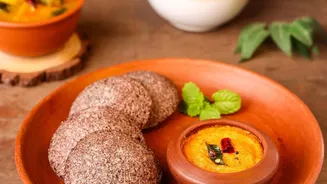
3. Black Rice (Chak-Hao)
Once known as 'Forbidden Rice' because it was reserved for royalty in ancient China, black rice has been cultivated in Manipur for centuries, where it is known as Chak-Hao. This aromatic, glutinous rice was traditionally used for special community feasts, often in the form of a kheer (pudding). Its journey to mainstream familiarity is thanks to its incredible health benefits. The deep black-purple colour comes from anthocyanins, powerful antioxidants that are also found in blueberries and have been linked to various health benefits. With a lower glycemic index and higher fibre content than white rice, and a unique nutty flavour, Chak-Hao is now a prized ingredient for health-conscious consumers and recently earned a Geographical Indication (GI) tag, protecting its unique identity.
4. Jackfruit (Kathal)
Native to India's Western Ghats, jackfruit has been part of Indian cuisine for millennia. While the ripe fruit is enjoyed for its unique sweetness, the unripe, raw jackfruit (kathal) fell out of favour in many urban kitchens. Now, it is experiencing a global resurgence, largely due to its incredible texture. When cooked, raw jackfruit has a fibrous, meat-like consistency that readily absorbs spices, making it an excellent plant-based substitute for pulled pork or chicken. This has made it a star ingredient in vegan and vegetarian dishes worldwide. In India, it is being rediscovered for its versatility in traditional dishes like biryanis, curries, and kebabs.
5. Moringa (Drumstick)
The drumstick tree, or moringa, has been a fixture in South Indian backyards and kitchens for centuries, with its leaves and long pods (drumsticks) commonly used in sambar and curries. While always a regional staple, its reputation has exploded globally, positioning it as a 'superfood'. This newfound fame is due to its extraordinary nutritional content. Moringa leaves are packed with vitamins A and C, iron, protein, and antioxidants. Once primarily a humble vegetable, moringa is now widely available as a powder, easily added to smoothies, teas, and energy bars, making its health benefits accessible to a much broader audience.
6. Edible Gum (Gondh)
Gondh, a natural edible resin harvested from the bark of the acacia tree, has long been a key ingredient in traditional Indian sweets, especially ladoos prepared for nursing mothers and during winter. Its primary role was to provide energy and aid in recovery. For a long time, its use was confined to these traditional preparations and it was largely unknown to younger, urban generations. Now, as people look towards functional foods with specific health benefits, gondh is being rediscovered. Rich in calcium and known to be good for bone health and immunity, it is praised for its warming properties in winter. Fried in ghee, it puffs up into crispy, delicate crystals, adding a unique texture to both sweets and health drinks.
7. Fiddlehead Fern (Lingdi)
A true wild food, the fiddlehead fern is the coiled shoot of a young fern that grows in the Himalayan foothills during the monsoon. Known locally as 'lingdi', 'lingri', or 'kasrod', this seasonal delicacy has been foraged and eaten by local communities for centuries, often as a simple stir-fried sabzi. Foraged foods like lingdi were often considered rustic and didn't make their way into mainstream urban markets. However, a growing interest in regional, seasonal, and foraged ingredients has brought this unique vegetable into the spotlight. With a taste often described as a mix between asparagus and green beans, and a wealth of antioxidants, it is now a sought-after ingredient by chefs and food enthusiasts looking for a true taste of the Himalayas.