




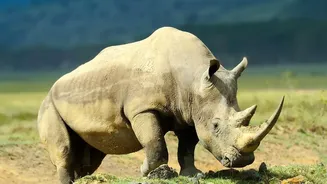
A Land Without Its Giants
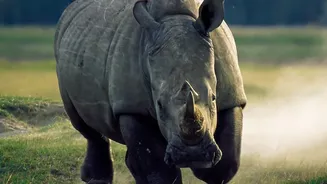
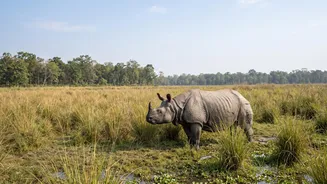
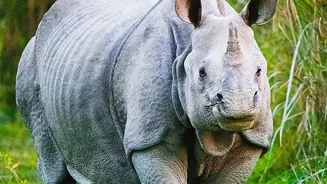
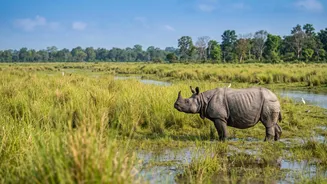
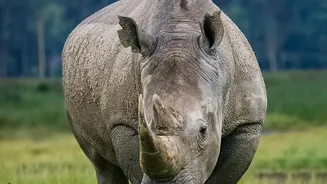
For over a century, the sprawling Terai grasslands of what is now Dudhwa National Park were silent. The greater one-horned rhinoceros, an animal that once roamed these alluvial plains from the Indus to the Brahmaputra, had vanished. By the late 19th century, a combination
of rampant hunting and widespread habitat loss had erased them from this part of their historical range. The ecosystem was missing one of its key engineers. This local extinction was a stark reminder of the pressure on India’s wildlife, prompting conservationists to consider a bold idea: could the rhinos be brought back?
The Ambitious Return
The turning point came in 1984 with the launch of the Rhino Rehabilitation Project, a pioneering effort to reintroduce the species to its former home. Following recommendations from wildlife experts, the mission began with the translocation of a small founder group. The first rhinos arrived from Assam’s Pobitora Wildlife Sanctuary, followed by four females from Nepal's Chitwan National Park in 1985. The initial phase was fraught with challenges, including losses due to the stress of capture and transport. To safeguard the precious few, they were released into a 27-square-kilometre fenced enclosure within the park, a protected space to acclimatise, breed, and build a new legacy.
From Careful Nurturing to Steady Growth
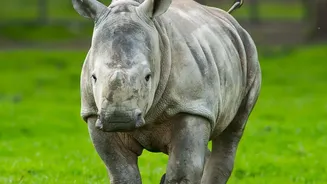
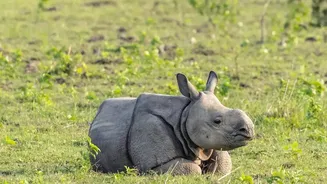
Inside the secure enclosures, the rhinos did more than just survive—they flourished. The first successful birth was recorded in 1989, marking a huge milestone for the project. Over the next three decades, the population grew steadily under the watchful eye of the Uttar Pradesh Forest Department and conservation partners like WWF-India. As numbers swelled, a second Rhino Rehabilitation Area (RRA-2) was established in 2018 to manage the growing population and prevent overcrowding. By June 2026, the official census confirmed a population of 53 individuals, a net increase even after accounting for natural mortalities from territorial disputes and tiger predation.
The Pillars of Protection
This success wasn't a matter of luck; it was built on a foundation of relentless effort. The cornerstones of the program have been round-the-clock monitoring by teams on elephant back, robust anti-poaching patrols, and scientific management of the grassland and wetland habitats to ensure ample food and water. The fenced enclosures, while limiting, provided critical security against poachers, a constant threat in a region near an international border. This intensive care allowed the population to establish a strong foothold, making Uttar Pradesh one of only three states in India, along with Assam and West Bengal, to have a wild rhino population.
The Next Frontier: Into the Wild
After nearly 40 years in protected enclosures, the project entered its most exciting and critical phase in late 2024. For the first time, rhinos were selected and released from the fenced areas into the unfenced, core wilderness of the Dudhwa Tiger Reserve. As of mid-2026, a small but significant population of 11 rhinos now roams free, fitted with radio collars so that monitoring teams can track their movement, behaviour, and adaptation to a life alongside tigers and elephants. This move is vital for establishing a truly self-sustaining, genetically diverse population, but it also introduces new risks, including human-wildlife conflict and increased vulnerability to poaching, which authorities are actively working to mitigate.