






The $5.5 Billion Offer Explained
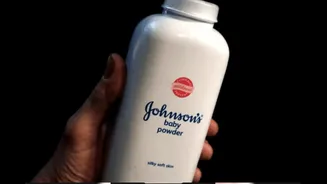
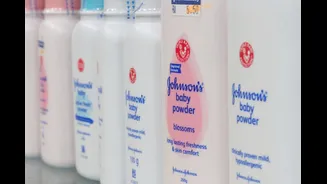
Johnson & Johnson has proposed to pay $5.5 billion to settle the approximately 76,000 outstanding lawsuits from individuals who allege that the company's talc-based products, like its iconic Baby Powder, caused their ovarian cancer. Announced in late
July 2026, the deal represents the company's latest and most direct attempt to bring a close to over a decade of litigation. Unlike previous, larger offers tied to complex bankruptcy filings, this proposal was negotiated directly with lawyers representing a significant number of the plaintiffs. If accepted, J&J plans to make an initial payment of up to $3 billion in 2027, with the remainder to follow in 2028. However, the deal comes with a major condition: at least 95% of all eligible claimants must agree to the terms for it to move forward. If that high threshold is not met, the entire settlement could collapse, sending the parties back to the drawing board.
Why This Attempt Is Different
This proposal marks a significant strategic shift for J&J. The company previously tried three times to use a controversial legal maneuver known as the "Texas two-step" to handle the claims. This involved creating a subsidiary, offloading the talc liabilities onto it, and then placing that subsidiary into bankruptcy to force a settlement. Courts rejected these attempts, including a nearly $9 billion proposal in 2025, ruling that J&J itself was not in the financial distress required for bankruptcy protection. Abandoning the bankruptcy strategy, this new $5.5 billion offer is a direct negotiation with claimants' attorneys. The structure is also different. While the dollar amount is lower than the last bankruptcy offer, it focuses only on existing ovarian cancer claims and promises a much faster payout, with all funds potentially distributed within 18 months of finalization rather than over 25 years.
A Strengthened Negotiating Position
J&J's offer comes not from a position of weakness, but after a series of favorable legal developments. The company has long maintained that its talc is safe, does not contain asbestos, and does not cause cancer, calling the claims against it meritless. Recently, the company has secured significant courtroom victories. Most notably, a federal judge overseeing the multidistrict litigation (MDL), where thousands of cases are consolidated, recently cast doubt on the plaintiffs' ability to prove that talc specifically caused any individual's cancer. This ruling came after plaintiffs' experts were withdrawn in key test cases, weakening the scientific foundation of many claims. This legal momentum strengthened J&J's bargaining power, allowing it to propose a settlement for a lower amount than previously offered.
What It Means for Claimants
For the roughly 76,000 claimants, the proposal presents a difficult choice between a guaranteed, relatively quick payment and the uncertainty of a continued court battle. A settlement would provide financial resolution without the risk and delay of individual trials, which can take years. Some attorneys who helped negotiate the deal argue it is a fair outcome that provides certainty for their clients. However, the 95% acceptance threshold is a high bar. In previous bankruptcy proposals, a few thousand claimants opted out, preferring to take their chances in court for a potentially larger payout. The value of each individual claim under the new proposal would be determined by a matrix based on factors like age, diagnosis, and evidence of product use. Some lawyers believe the total payout could exceed $7 billion because the agreement does not cap the company's total liability.
What Happens Next?
The fate of the settlement now rests with the thousands of women and their families who have filed claims. They will have a period of several months to vote on whether to accept the deal. Attorneys representing a large majority of plaintiffs have already indicated their support, but securing approval from 95% of individuals is the critical next step. If the threshold is met, the long-running legal battle over ovarian cancer claims could finally reach its conclusion. If it fails, the litigation will continue in courtrooms across the country, prolonging the uncertainty for both J&J and the claimants who have been waiting years for justice or resolution. J&J has already settled the vast majority of its mesothelioma-related talc lawsuits separately.