






The Landmark Announcement
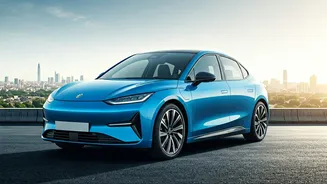
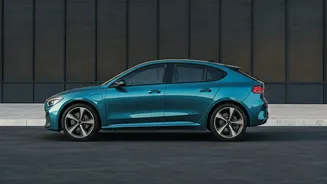
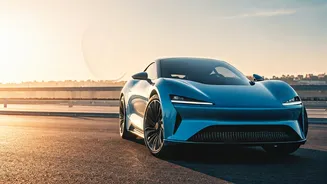
The Delhi government has approved a new Electric Vehicle (EV) policy that grants a 100% waiver on road tax and registration fees for all-electric cars with an ex-showroom price of up to ₹30 lakh. This significant incentive, effective from July 1, 2026,
is part of a broader strategy to accelerate the adoption of clean mobility and combat air pollution in the national capital. The policy aims to make Delhi a pollution-free city by 2030 and will remain in force until March 31, 2030. This move positions Delhi as one of the most proactive states in promoting electric vehicles through substantial financial relief for consumers.
Calculating Your Savings
The waiver on road tax and registration fees translates into substantial direct savings for new car buyers. Road tax is a significant component of a vehicle's on-road price, often ranging from 8% to 12% of the ex-showroom cost. For an EV priced at ₹15 lakh, this waiver could mean a saving of ₹1.2 lakh to ₹1.8 lakh. For a more premium EV priced at ₹28 lakh, the savings could be well over ₹2.5 lakh. This initiative effectively lowers the entry barrier for prospective EV owners, making the total cost of ownership more competitive with traditional petrol and diesel vehicles right from day one.
Incentives Beyond Cars
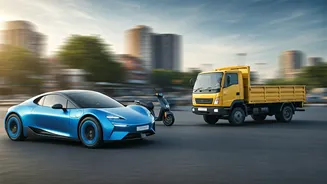
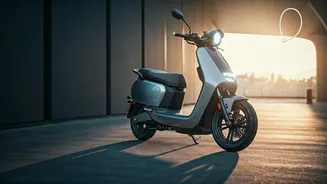
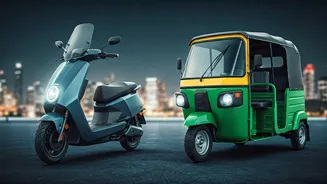
The new policy's benefits extend to other vehicle segments as well. Buyers of new electric two-wheelers are eligible for a subsidy of ₹30,000 in the first year of the policy. Similarly, incentives are available for electric three-wheelers, with benefits of up to ₹50,000. The policy also includes provisions for commercial vehicles, offering purchase incentives of up to ₹1 lakh for certain electric goods carriers. Furthermore, owners of older, polluting four-wheelers (BS-IV and below) who choose to scrap their vehicle and switch to an EV can receive an additional scrapping incentive of ₹1 lakh, encouraging the replacement of the aging fleet on Delhi's roads.
The Fine Print for Buyers
The waiver on road tax and registration fees applies to all-electric cars with an ex-showroom price up to ₹30 lakh. It's important to note that hybrid vehicles are not included in this scheme and will not receive these benefits. The policy is specifically targeted at Battery Electric Vehicles (BEVs). The incentives are applicable for vehicles registered in Delhi. The government has also laid out an aggressive timeline for transitioning completely to EVs in certain categories. For instance, from January 1, 2027, only electric auto-rickshaws will be registered, and from April 1, 2028, the same rule will apply to new two-wheelers.
A Larger Push for Clean Air
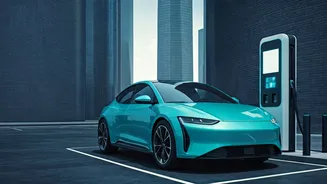
This policy is a cornerstone of Delhi's ambitious plan to invest ₹15,000 crore over the next four years to promote electric mobility. A critical part of this investment is dedicated to expanding the charging infrastructure, with a target to install 30,000 new EV charging points across the city during the policy period. This addresses one of the key concerns for potential EV buyers: range anxiety and the availability of convenient charging options. By tackling both the upfront cost and infrastructure challenges simultaneously, the government hopes to create a robust ecosystem that supports a large-scale shift to electric transportation.