


A New Tradition is Forged
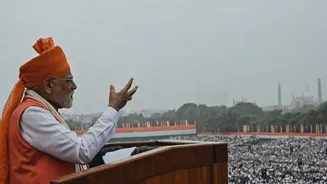
In a significant update to the Independence Day protocol, the Ministry of Defence has announced that the national song, 'Vande Mataram', will be performed from the ramparts of the Red Fort for the first time. The performance will take place upon the arrival
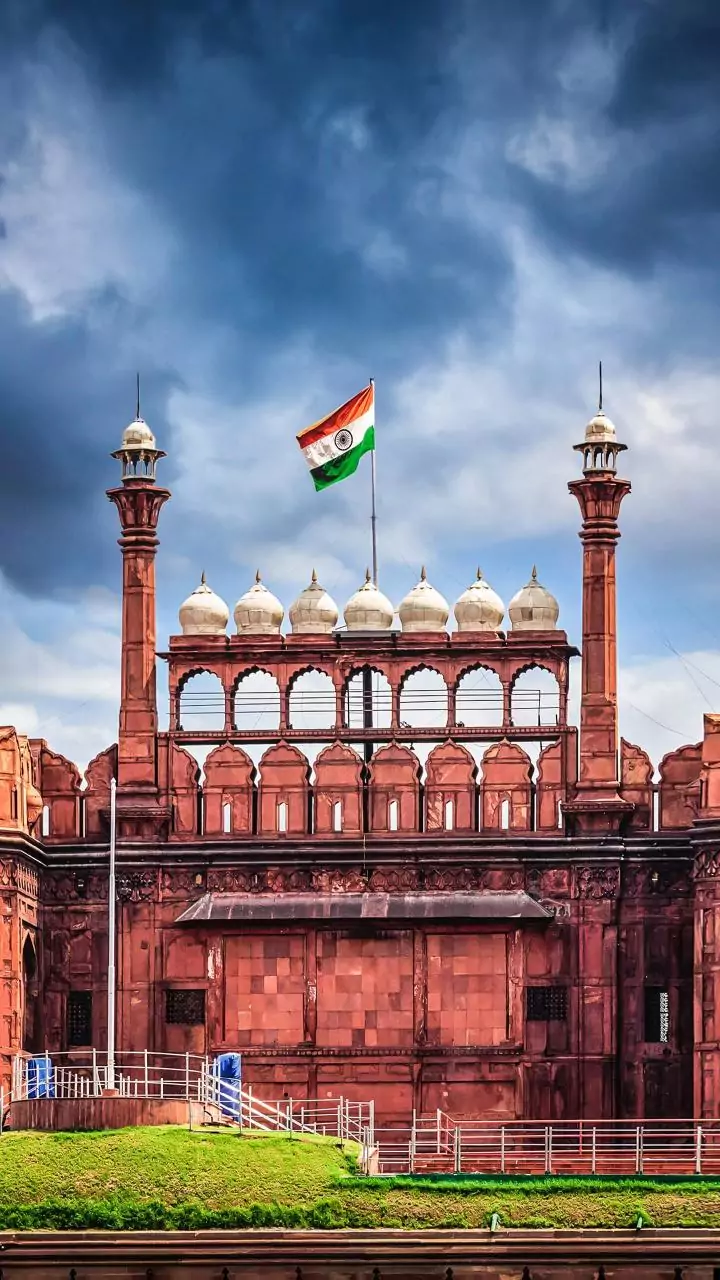
of the Prime Minister, just before the ceremonial flag hoisting and the playing of the national anthem, 'Jana Gana Mana'. Defence Secretary R K Singh confirmed this new sequence, stating that the decision was made to commemorate the 150th anniversary of the song that inspired millions during the freedom struggle. This addition marks a deliberate effort to formally integrate the historic song into the nation's most prominent celebration of its sovereignty.
The Song That Birthed a Movement
'Vande Mataram', which translates to "I bow to thee, Mother," is far more than just a song; it is a foundational piece of India's national identity. Written by Bankim Chandra Chatterjee in the 1870s and published in his novel 'Anandamath' in 1882, its verses personify India as a mother goddess. It quickly became a powerful rallying cry for independence activists. The song's first two verses were adopted as the national song in 1950, granting it official status alongside the national anthem. Its inclusion in the Red Fort ceremony now gives it a new level of prominence, acknowledging its deep roots in the fight for freedom.
The Ramparts of History
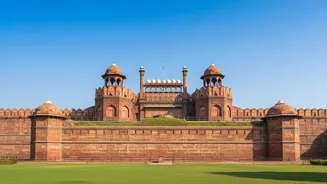
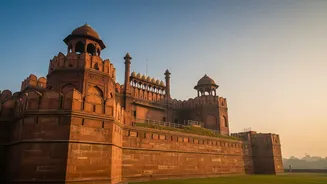
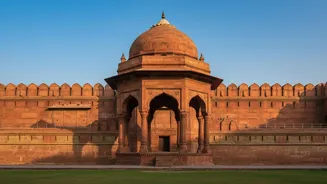
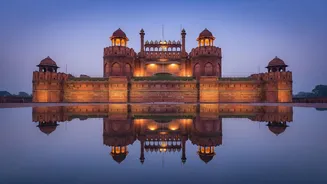
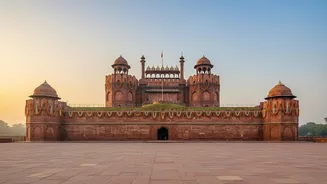
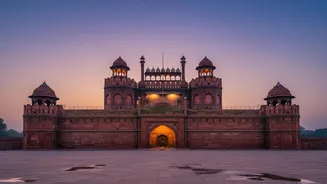
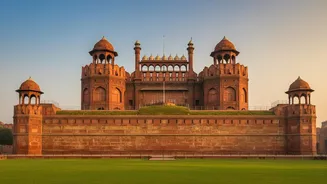
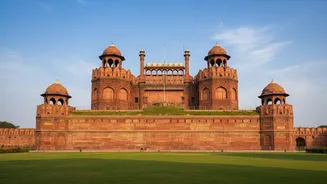
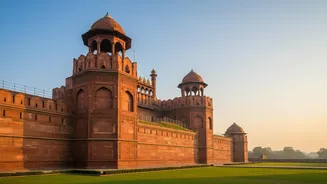
The choice of the Red Fort for this historic inclusion is deeply symbolic. Since August 15, 1947, when India's first Prime Minister, Jawaharlal Nehru, hoisted the tricolour from its ramparts, the monument has been the stage for the annual Independence Day address. Built by Mughal Emperor Shah Jahan, the fort was a seat of power for centuries and later a symbol of British colonial might. Reclaiming it as the site for celebrating freedom was a powerful statement of sovereignty. By adding 'Vande Mataram' to the proceedings here, the government is weaving another thread of the freedom struggle into the tapestry of the nation's official narrative, connecting the physical symbol of independence with one of its most potent auditory ones.
A Celebration of Youth and Future
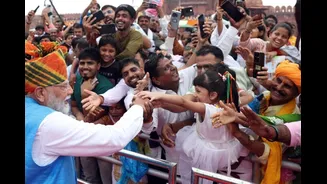
This year's Independence Day celebration is themed around 'Yuva Shakti' (youth power), aiming to highlight the contributions of young Indians to nation-building. The introduction of 'Vande Mataram' is seen as a bridge between the sacrifices of the past and the aspirations of the future. The Defence Secretary noted that the focus on youth is to recognize their critical role in the journey towards a developed India by 2047. An Indian Air Force helicopter will fly over the venue with a banner celebrating 150 years of 'Vande Mataram', showering petals on the attendees below, linking the historic moment to a forward-looking vision for the country.