






The New Arrivals: A Fleet Reborn
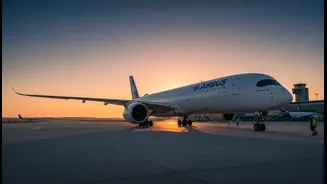
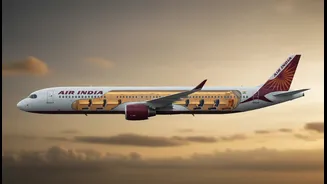
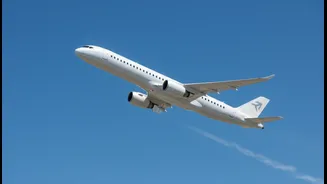
Air India's future is arriving at a remarkable pace. Following its historic order for hundreds of Airbus and Boeing aircraft, the airline is set to induct 50 to 60 new planes annually over the next several years. This rapid expansion began with the delivery
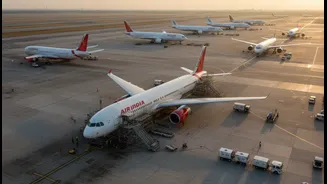
of the first Airbus A350s, which have already started flying on key international and domestic routes. Starting in late 2025 and ramping up through 2026, the airline expects to receive a new wide-body aircraft, such as the Boeing 787-9 and Airbus A350-1000, roughly every six weeks. This constant stream of new planes is central to the airline's plan to modernize, expand its global network, and offer a more consistent and premium passenger experience. The influx includes a mix of wide-body jets for long-haul routes and narrow-body aircraft to strengthen domestic and short-haul international services. This aggressive fleet growth is a clear signal of intent to reclaim market share and establish Air India as a top-tier global carrier.
A Makeover for the Legacy Fleet
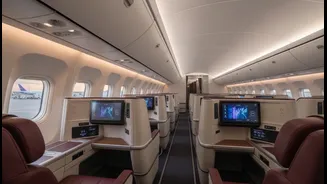
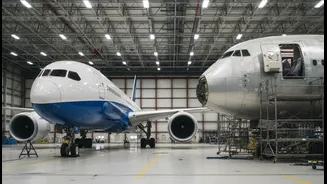
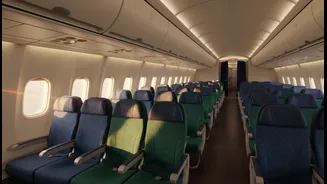
While new planes grab headlines, Air India is also investing heavily in its existing fleet. The airline has committed to a USD 400 million programme to completely refurbish its legacy wide-body aircraft, specifically the Boeing 777 and Boeing 787-8 fleets. This isn't just a simple facelift; it's a complete interior overhaul. The project involves installing brand-new seats across all cabins, including the introduction of a Premium Economy class on many aircraft for the first time. Passengers can also expect state-of-the-art inflight entertainment systems, Wi-Fi connectivity, and completely new cabin elements like carpets, lighting, and lavatories. The first retrofitted Boeing 787-8 returned to service in April 2026, with the entire 787 fleet scheduled for completion by mid-2027. The refurbishment of the Boeing 777 fleet will follow, aiming for completion by late 2028.
What This Means for Passengers
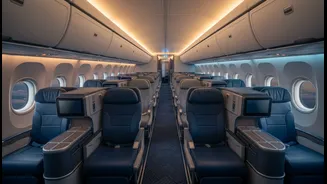
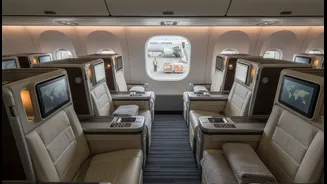
For travellers, this dual strategy translates into a significantly improved and more reliable journey. The new A350 aircraft, for instance, have been praised for their modern business class suites with privacy doors, comfortable seats, and an elevated cabin atmosphere. The refurbished aircraft are also delivering a premium experience. As of July 1, 2026, Air India began flying an upgraded Boeing 777-300ER on its Delhi-Melbourne route, introducing First Class suites, new flat-bed seats in Business, and Wi-Fi for the first time on that sector. The goal is to eliminate the 'box of chocolates' experience of the past, where the quality of the aircraft was unpredictable. By creating a consistent, high-quality standard across both new and retrofitted planes, Air India aims to provide a seamless and world-class product, from the new Maharaja Lounge at Delhi Airport to the onboard service.
Navigating the Transformation
This ambitious transformation is not without challenges. Global supply chain issues and geopolitical events have caused some delays in both new aircraft deliveries and the refurbishment timeline. In a recent statement, Air India's Chief Commercial Officer Nipun Aggarwal acknowledged these headwinds but confirmed the transformation remains on track, though some elements might take a little longer than initially planned. The airline is working to manage these external pressures while continuing its network restoration, bringing flight frequencies on key routes in the Middle East, Europe, and the US back to previous levels. Despite reports of a potential slowdown to focus on cutting losses, the airline's leadership maintains a commitment to the long-term plan of fleet modernization. This highlights the complexity of turning around a legacy carrier while navigating a volatile global environment.