





A New Blueprint for Exploration
For decades, planning a multi-city holiday in India often meant choosing between expensive flights or long, exhausting drives and train journeys. Now, a growing network of world-class transport corridors is stitching the country together in ways previously
unimaginable. These high-speed arteries are not just cutting travel time; they are creating entirely new tourism circuits, linking heritage sites, wildlife sanctuaries, and cultural hubs that were once too difficult to combine in a single trip. This infrastructure boom is making it easier than ever to design a holiday around a cluster of experiences rather than a single destination. Instead of spending your entire vacation in one place, you can now explore two or three distinct locations with ease, thanks to journeys that are faster, safer, and more predictable.
The Delhi-Mumbai Expressway Super-Corridor
The Delhi-Mumbai Expressway is arguably the most transformative of these new projects. While still opening in phases, its operational sections have already redefined travel in western India. The stretch from Delhi to Dausa, for instance, has slashed the drive time to Jaipur to under three hours, down from five or six. This turns a long-haul journey into an easy weekend escape. A holiday built around this corridor could start in Delhi, move to the Sariska Tiger Reserve for a wildlife safari, and then proceed to Jaipur for a dose of royal history, all without the exhaustion of old highway travel. Further along the route, which passes through Haryana, Rajasthan, Madhya Pradesh, and Gujarat, travellers can access destinations like the historic city of Vadodara and Ranthambore National Park. The entire 1,386-kilometre expressway aims to cut the Delhi-Mumbai travel time from 24 hours to just 12, making a cross-country road trip a genuinely appealing holiday option.
Coastal Connections via the Mumbai Trans Harbour Link
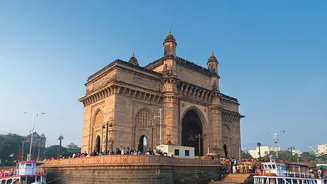
In Mumbai, the Atal Setu, also known as the Mumbai Trans Harbour Link (MTHL), is another game-changer. This 22-kilometre sea bridge has dramatically cut the travel time between South Mumbai and Navi Mumbai from over two hours to just 20 minutes. For tourists, this opens up a world of possibilities. A trip that was once a logistical headache is now a short, scenic drive. Travellers can now easily combine a stay in bustling South Mumbai with a getaway to the quieter coastal towns of Alibaug and the Raigad district, previously a full-day excursion. The MTHL provides quicker connectivity to the Mumbai-Goa highway and the upcoming Navi Mumbai International Airport, making it a crucial link for creating seamless multi-destination itineraries in the region. A weekend could now involve exploring Mumbai's heritage sites on Saturday and relaxing on a beach in Alibaug on Sunday, all connected by a smooth, quick journey over the sea.
The NCR Circuit with Dwarka Expressway
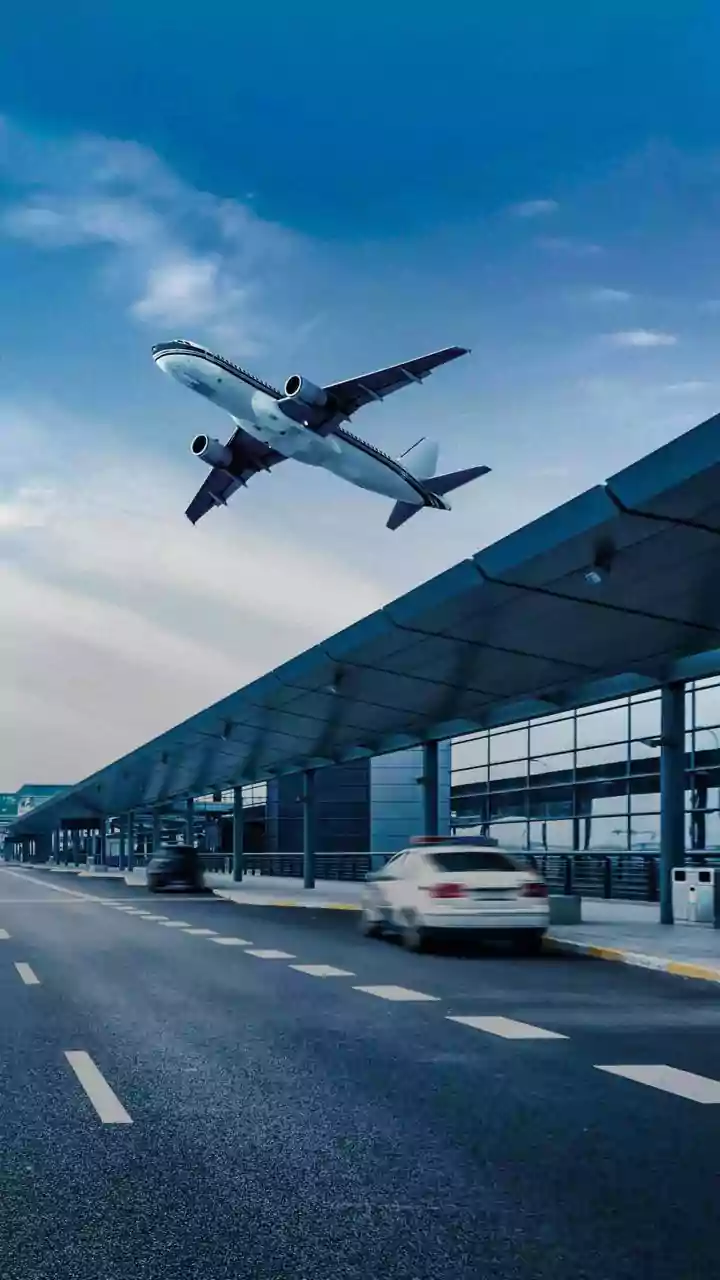
Even shorter corridors are having a big impact. The 29-kilometre Dwarka Expressway has significantly eased congestion between Delhi and Gurugram, creating a faster route to the Indira Gandhi International Airport and bypassing notorious traffic bottlenecks. For a traveller, this reliability is key. It makes planning a trip that combines sights in both Delhi and Gurugram far more practical. One could spend the morning exploring the historic monuments of South Delhi and the afternoon visiting Gurugram's modern cultural hubs like CyberHub, with the journey between them reduced from an hour or more to just 20-25 minutes. This improved connectivity makes it feasible to stay in one city while comfortably exploring the attractions of the other, effectively expanding the 'local' area for any tourist visiting the National Capital Region.