





Why Your Plant Is Leaning
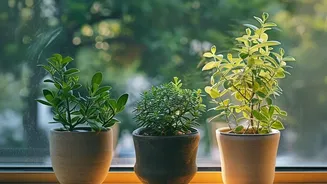
Have you ever noticed your plant craning towards the window, looking a bit lopsided? This natural behaviour is called phototropism. Plants instinctively grow towards their light source to maximise energy for photosynthesis. This process is driven by growth
hormones called auxins, which accumulate on the shadier side of the stem, causing those cells to grow longer and bend the plant towards the light. While smart for survival, this results in uneven growth. The side facing the sun becomes dense and bushy, while the back can become sparse, leggy, and weak. Regular rotation is the simple fix, ensuring all sides of the plant get a turn in the sun for balanced, sturdy, and symmetrical growth.
Read the Light in Your Home
The light in our homes is not static; it changes dramatically with the time of day and, more importantly, the season. Even indoor plants are sensitive to these shifts. The sun's angle is lower in winter and higher in summer, altering the intensity and reach of light through your windows. A spot that provided gentle, indirect light in February might offer scorching direct sun in May. Your plants notice this. Their growth rate naturally speeds up in the longer, brighter days of spring and summer and slows down in the shorter, dimmer days of winter. Paying attention to these seasonal light patterns is the difference between a plant that merely survives and one that flourishes. A plant that was happy a metre from a window in summer may need to be moved closer during the winter to receive adequate light.
Creating a Rotation Schedule
There's no single rule for how often to rotate, but a great starting point is to give your plant a quarter turn every time you water it. This simple habit integrates rotation into your existing care routine. For plants in lower light conditions, a weekly or bi-weekly turn is beneficial. Those in very bright spots might only need it every few months. However, the best approach is to observe your plant. If you see it starting to lean, it's telling you it's time for a turn. Some fast-growing plants, like the Pilea peperomioides, might even benefit from a slight turn every few days to keep their signature shape. The key is consistency. Always turning the pot in the same direction helps create a reliable rhythm.
Beyond Rotation: Seasonal Relocation
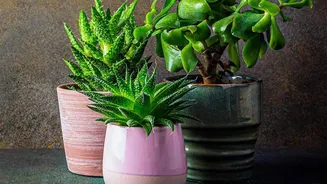
True light-aware care sometimes means moving your plants altogether. Rotation helps with symmetry, but relocation addresses the changing intensity of seasonal light. That south-facing window that your succulent loves for most of the year might become too intense during the peak of summer, risking scorched leaves. In this case, moving it to a spot with filtered light or further from the glass is a wise move. Conversely, as winter light fades, plants that were happy in the middle of a room might need a promotion to a prime windowsill spot to get through the darker months. Think of your home as a landscape with different microclimates that shift throughout the year, and move your plants accordingly to keep them in their optimal growing zone.
Signs of Imbalance
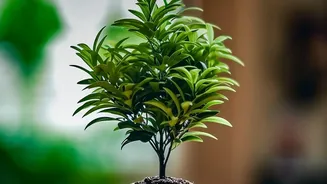
Your plants will give you clear feedback on their lighting situation. A major sign of insufficient light is etiolation, where stems become stretched and 'leggy' with large gaps between the leaves. New leaves may also appear smaller or paler than older ones. If you have a variegated plant, you might notice its colourful patterns reverting to solid green as the plant tries to produce more chlorophyll to capture what little light is available. On the other hand, if you see brown, crispy spots or edges on leaves, it could be a sign of sunburn from too much direct light. A healthy, well-lit plant will have steady growth with consistently sized and coloured leaves.