




A Journey Back in Time
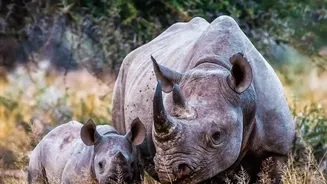
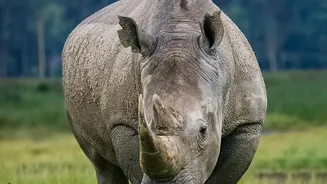
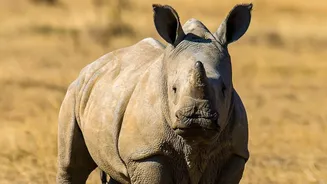
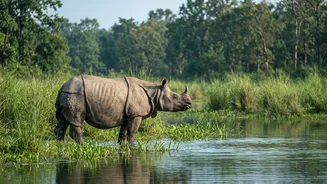
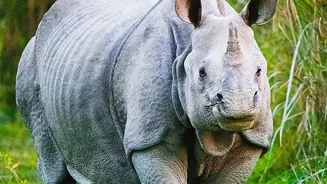
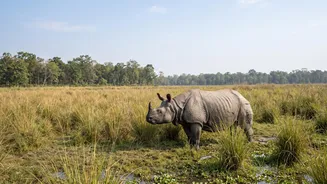
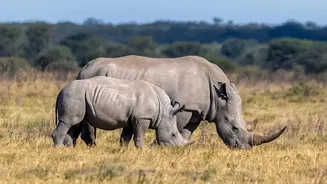
The greater one-horned rhinoceros, an icon of India's grasslands, once roamed the vast Terai belt, including the region that is now Dudhwa. However, due to relentless hunting and habitat loss, the species vanished from this landscape by the last century.
The story of their return began in 1979, when Dudhwa was identified as a promising site for a bold experiment: reintroduction. In 1984, the first phase of this ambitious project began. After considerable planning, five rhinos were translocated from Assam to Dudhwa. The initial journey was fraught with challenges, including animal deaths due to the stress of capture and transport. To bolster the fragile new population, four more female rhinos were brought from Nepal the following year, forming the crucial seed population of just seven animals that would lay the foundation for today's success.
The Science of a Sanctuary
For almost 40 years, the growing rhino population was managed within large, fenced-in enclosures known as Rhino Rehabilitation Areas (RRA). Initially covering 27 square kilometres, this enclosure was a cautious but critical strategy. It allowed the population to grow in a semi-wild state, shielded from the immediate threats of human-wildlife conflict and poaching, a significant concern given the park's proximity to the porous India-Nepal border. Inside this protected zone, forest department staff and conservation partners like WWF-India meticulously managed the habitat, ensuring the grasslands and wetlands provided ideal conditions. This long-term, patient approach focused on building a stable and demographically healthy group before taking the next crucial step.
Into the Wild
The most exciting recent chapter in Dudhwa's conservation story is the move towards creating a truly wild, free-ranging population. Beginning in late 2024, the Uttar Pradesh Forest Department began a phased release of rhinos from the enclosures into the unfenced core of the tiger reserve. As of 2026, a total of 11 rhinos are now roaming free. This is no simple release. Each animal is carefully selected, often based on genetic analysis to prevent inbreeding, and fitted with a radio collar. Dedicated teams monitor them daily, tracking their movements, health, and adaptation to the new, larger environment. Early findings from these releases have shown promising signs of adaptation, giving conservationists the confidence to continue the program.
Challenges on the Horizon
The milestone of 53 rhinos is a victory, but the work is far from over. The net increase of five individuals came despite three recent deaths, a stark reminder of the persistent dangers. These include natural causes like territorial fights between dominant males and predation by tigers, which share the same habitat. Furthermore, as the rhinos begin to range more freely, the long-standing risks of poaching and conflict with human settlements outside the park boundaries will require constant vigilance and enhanced security protocols. Managing the genetic health of a population that started from such a small founder group also remains a key scientific challenge that requires ongoing management and potential future interventions.