




Start with the Blueprint, Not the Plant
In the excitement of starting a garden, it's easy to fall in love with a beautiful bougainvillea or a promising mango sapling at the nursery. Many beginner gardeners make this purchase first, only to face challenges later. A successful garden, especially
one involving long-term plants like climbers and fruit trees, begins with planning. This is the “engineering” phase. It’s about assessing your space, understanding its limitations and potential, and creating an environment where plants are set up to thrive from day one. Overlooking this step is like building a house without checking the foundation; the results are often costly and disappointing. Taking the time to answer a few key questions upfront saves immense effort, money, and the heartbreak of a struggling garden.
Mapping Your Space: Sun, Soil, and Structure
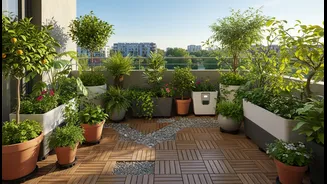
The first engineering task is to analyse your site. For at least one full day, map the sunlight in your garden, balcony, or terrace. Note which areas get the harsh afternoon sun and which remain in shade. Most fruit-bearing plants need at least six to eight hours of direct sun to be productive. Next, consider the soil. Are you planting in the ground or in containers? Garden soil in pots often becomes compact and drains poorly. A good potting mix for containers usually combines coco peat, compost, and soil to stay light and retain moisture. Finally, assess the structural integrity. Balconies and terraces have weight limits. Is the structure strong enough to support heavy pots, water-logged soil, and the eventual weight of a mature, fruit-bearing tree or a large woody vine like wisteria?
The Architecture of Support: Planning for Growth
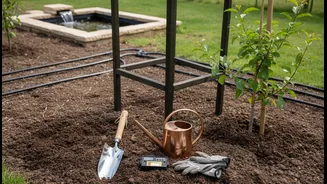
Climbing plants need something to climb on, and this support system must be installed before the plant begins to grow. A common mistake is underestimating the final size and weight of the plant. A small trellis that looks adequate for a young vine will be no match for a mature plant, which can become incredibly heavy and powerful. For woody vines like grapes or certain roses, a permanent, robust structure like a metal frame or a sturdy wooden pergola is essential. For annual climbers like peas or beans, a lighter bamboo teepee might suffice. Espalier, the technique of training fruit trees to grow flat against a wall or trellis, requires a strong and permanent support framework to be built from the start. The support is not just functional; it's a decorative element that can define the look of your garden.
Water Works: Designing for Efficient Irrigation
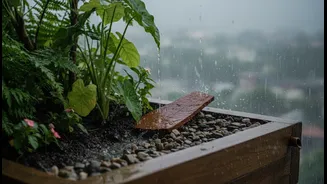
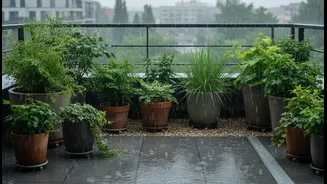
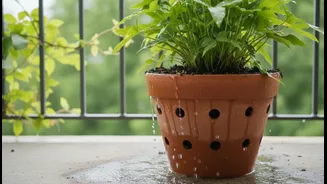
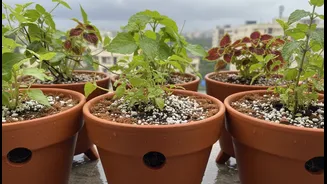
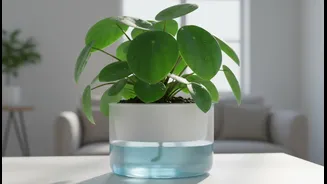
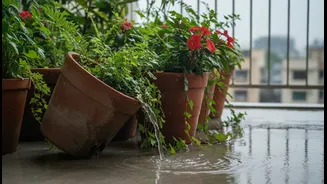
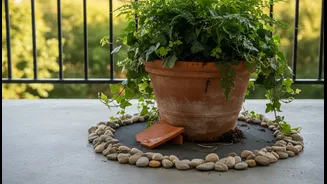
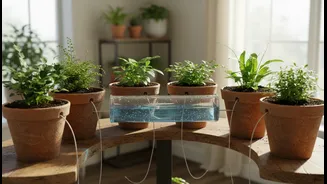
Water is life, but how you deliver it is critical. The engineering approach involves planning for drainage and efficient watering. In containers, drainage holes are non-negotiable to prevent root rot from waterlogged soil. But where does that excess water go? On a balcony, runoff can damage the building structure over time. Planning for drainage trays or a collection system is crucial. Beyond drainage, consider your watering strategy. Watering during the heat of the day leads to massive evaporation loss. The best time is early in the morning, which allows water to soak into the soil before temperatures rise. For larger setups, a drip irrigation system can be a water-wise investment, delivering moisture directly to the roots where it's needed most.
Choosing the Right Plant for the Plan
Only after you have answered these engineering questions—after you understand your light, soil, structural capacity, and water systems—is it time to choose your plant. This reversed approach ensures that you select a climber or fruit tree that is perfectly suited to the environment you have. Instead of trying to force a sun-loving plant to grow in a shady spot, you'll know to choose a shade-tolerant variety. Instead of planting a massive vine that will overwhelm a small balcony, you’ll opt for a more compact, container-friendly species. This methodical process shifts the odds dramatically in your favour. Your planning provides the ideal conditions, allowing the plant to do what it does best: grow.