



What is Reverse Walking?
Reverse walking, also known as retro walking, is exactly what it sounds like: intentionally walking backward. While it might seem like a novelty, it has roots in physical therapy and athletic training, used for decades to rehabilitate injuries and improve
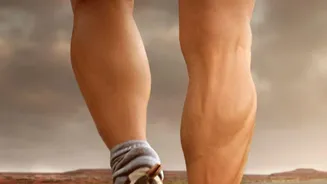
performance. Unlike forward walking, where your heel strikes the ground first and your ankles provide the power, reverse walking involves landing on your toes and pushing off through your hips and knees. This simple change in mechanics alters how your muscles are engaged and how your joints are loaded, turning a familiar movement into a unique workout.
The Science-Backed Benefits
One of the most celebrated benefits of reverse walking is its positive impact on knee health. Studies have shown that it places less compressive force on the kneecap, which can provide relief for individuals with conditions like knee osteoarthritis. The movement also strengthens the quadriceps, the large muscles at the front of your thighs that play a crucial role in supporting the knee joint. Beyond the knees, retro walking enhances balance and proprioception—your body's awareness of its position in space. Because you can't see where you're going, your brain and body must work harder to stay coordinated, which can lead to improved stability in the long run.
A Different Kind of Calorie Burn
If you're looking for more metabolic bang for your buck, walking backward delivers. Because the movement is less efficient than walking forward, your body has to work harder and expend more energy. Research suggests that at the same speed, reverse walking can burn up to 40% more calories than walking forward at a brisk pace. This increased demand causes your heart rate to climb more quickly, making it a surprisingly effective low-impact cardiovascular workout. One study following a six-week backward walking program noted that participants lost body fat and improved their overall fitness.
Who Stands to Benefit Most?
Reverse walking can be a valuable addition for several groups of people. Individuals with specific types of knee pain, such as from osteoarthritis or runner's knee, may find it a less painful way to stay active while strengthening key support muscles. Athletes often use it as a cross-training tool to build underused muscles and improve agility. It's also beneficial for anyone looking to break through a fitness plateau or simply add variety to their routine to prevent boredom. Furthermore, because it challenges the brain, it can be a great way to practice mindfulness and improve focus during exercise.
Who Should Proceed With Caution?
Despite its benefits, reverse walking isn't suitable for everyone. The most significant risk is falling, since your field of vision is eliminated. Individuals with severe balance problems, vertigo, or certain neurological disorders should avoid this exercise or only attempt it under professional supervision. People with recent injuries or surgeries involving the hips, ankles, or back should also consult a healthcare professional before trying it. The key is to be honest about your physical limitations. If you have any concerns about your stability or coordination, it is best to err on the side of caution.
How to Get Started Safely
Ready to give it a try? The golden rule is to start slowly and in a controlled environment. A treadmill with handrails is an ideal starting point, as it provides a flat, predictable surface and something to hold onto for support. Set the speed very low and begin with short intervals of just a few minutes. Focus on your form: stand up straight, engage your core, and consciously place one foot behind the other, rolling from toe to heel. If you don't have a treadmill, a clear, empty hallway or an obstacle-free outdoor track is another good option. Avoid crowded areas and never wear headphones, as being aware of your surroundings is critical to preventing accidents.