




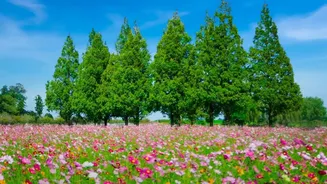
A Spectacle Arrives in 2026
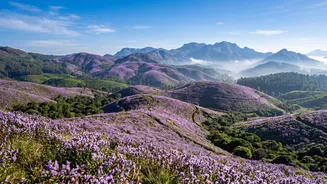
If you thought you missed the show after the famed 2018 bloom, there's a surprising and wonderful update. While the most famous flowering at Eravikulam National Park is indeed on schedule for 2030, a different population of the very same flower is currently
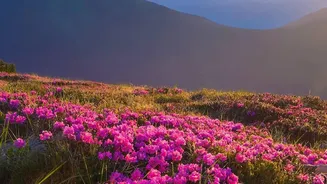
painting the hillsides blue in 2026. This September, the bloom is transforming areas around Chokramudi, Mattupetty, and the Korandakkad hills into a rare spectacle. This isn't an early arrival; it’s a powerful reminder that nature operates on multiple, synchronised clocks. Different clusters of these plants, even in the same region, follow their own distinct 12-year cycles. The population now in bloom last flowered in 2014, making this year its grand, punctual return.
The Science of a Once-in-a-Lifetime Flower
The Neelakurinji, or Strobilanthes kunthiana, practices a dramatic life strategy known as gregarious flowering. For over a decade, the plant lies in wait, a modest shrub focusing all its energy on growth. Then, in a synchronised burst, entire populations flower at once before setting seed and dying. This 'one and done' reproductive cycle, known as semelparity, is a survival mechanism. By flowering en masse, the plants overwhelm predators and ensure that enough seeds survive to produce the next generation, which will lie dormant for another 12 years. This long interval makes the event incredibly rare and precious. The flower even gives the Nilgiri Mountains their name, which translates to 'Blue Mountains'.
A Clock for Culture and Ecology
The Neelakurinji is more than just a botanical wonder; it is deeply woven into the cultural fabric of the region. For generations, the indigenous Paliyan tribe of Tamil Nadu used the 12-year blooming cycle as a natural calendar to calculate their age. A person’s age could be marked by the number of blooms they had witnessed in their lifetime. The flower also holds a significant place in ancient Tamil Sangam literature, where 'Kurinji' is the name for the mountainous ecological zone itself. Ecologically, the bloom is a keystone event. The sudden abundance of nectar triggers a flurry of activity among pollinators, especially bees and butterflies, sustaining the local ecosystem. The special honey collected from bees during this season is particularly prized.
The Fragility of a Blue Miracle
The spectacle of the Neelakurinji inevitably draws thousands of visitors, presenting a classic conservation dilemma. The surge in tourism provides a vital economic boost to local communities, but it also places immense pressure on a fragile ecosystem. The shola grasslands where Neelakurinji thrives are shrinking due to the expansion of plantations and human settlements. Trampled plants, plastic waste, and habitat disturbance pose a significant threat. In recognition of its declining population, the species was recently classified as 'Vulnerable' on the IUCN Red List. This year, authorities are urging responsible tourism. Visitors are reminded that Neelakurinji is a protected plant; plucking or damaging the flowers is prohibited, and staying on designated paths is crucial to its survival. The flower's continuing relevance is not just in its beauty, but as a barometer for our ability to cherish nature without destroying it.