
The Challenge of Staying Full
Transitioning to a vegetarian diet can sometimes come with a surprising side effect: persistent hunger. This isn't because vegetarian food is inherently less filling. More often, it's because a meal might be missing the key components that signal fullness
to our brains. Many healthy-sounding meals, like a simple green salad or a fruit bowl, can be low in calories, protein, and fat. While rich in vitamins, they can digest quickly, leading to a rapid return of hunger. The physical act of eating is one part of the equation, but the nutritional makeup of your food is what provides lasting satisfaction. Without the right balance, you can eat a large volume of food and still feel like something is missing. Understanding the science of satiety—the feeling of fullness—is the first step toward building meals that truly nourish and sustain you.
Protein: The Satiety Powerhouse
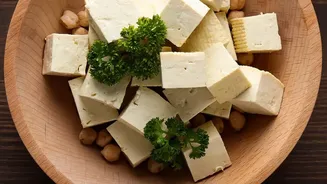
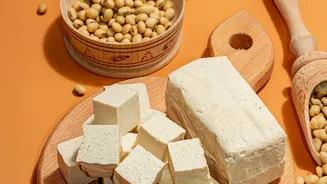
Protein is a crucial player in appetite regulation. When you consume protein-rich foods, your body responds in several ways to make you feel full. Firstly, it helps to suppress ghrelin, often called the “hunger hormone,” which is produced when your stomach is empty. Secondly, protein stimulates the release of other hormones, such as peptide YY (PYY), which signal to your brain that you are satisfied. Furthermore, protein takes longer to digest compared to carbohydrates, meaning it stays in your stomach for an extended period, providing a slow and steady release of energy. This helps to stabilize blood sugar levels and prevent the sharp energy crashes that can trigger cravings. For vegetarians, excellent sources include legumes like lentils, chickpeas, and beans, which are packed with both protein and fibre. Dairy products like Greek yogurt and paneer, as well as soy products like tofu and tempeh, are also fantastic, high-quality protein options.
Fibre: The Unsung Hero of Fullness
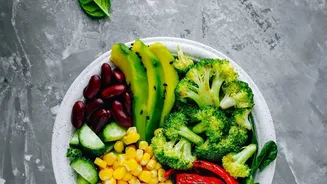
Fibre is another essential nutrient for feeling full, and it works in a different but complementary way to protein. There are two main types of fibre: soluble and insoluble. Soluble fibre, found in foods like oats, apples, beans, and chia seeds, dissolves in water to form a thick, gel-like substance in your digestive system. This gel slows down how quickly your stomach empties, prolonging the feeling of fullness and helping to manage blood sugar levels. Insoluble fibre, found in whole grains, nuts, and vegetables like broccoli and leafy greens, doesn’t dissolve. Instead, it adds bulk to your stool, which physically fills up your stomach and helps promote regular digestion. A meal rich in fibre takes up more space in your stomach and requires more chewing, both of which contribute to the overall feeling of satisfaction from a meal.
The Power Couple: Combining Protein and Fibre
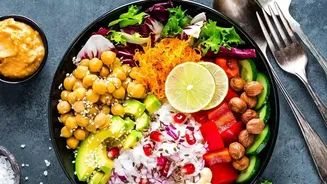
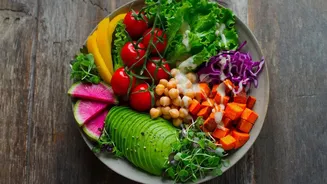
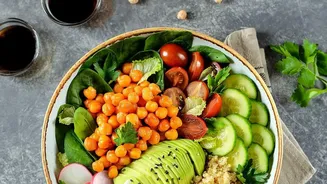
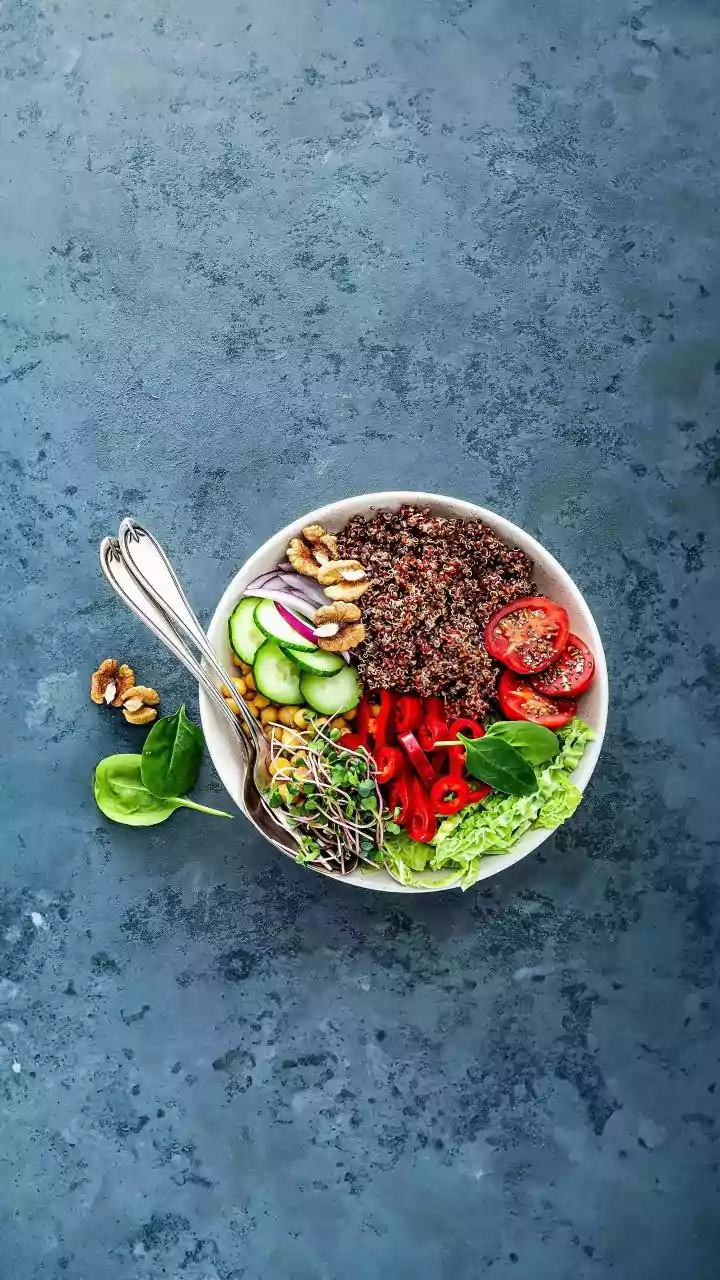
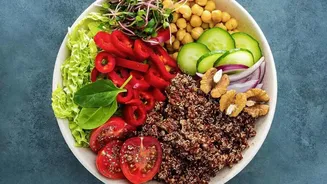
While protein and fibre are effective on their own, they are most powerful when paired together. Think of it like building a structure: protein provides the strong foundation, while fibre adds the bulk and substance that makes it complete. A meal that combines both nutrients tackles hunger from multiple angles. The protein manages your appetite-regulating hormones and provides long-lasting energy, while the fibre adds physical volume and slows digestion. This synergy is what transforms a light meal into a truly satisfying one. For example, a salad with just greens might leave you hungry, but adding a serving of chickpeas (protein and fibre) and a sprinkle of sunflower seeds (protein and healthy fats) creates a balanced meal that will keep you full for hours. Similarly, a bowl of moong dal (lentils) served with brown rice provides a classic combination of plant-based protein and fibrous whole grains.
Building Your Satiating Plate
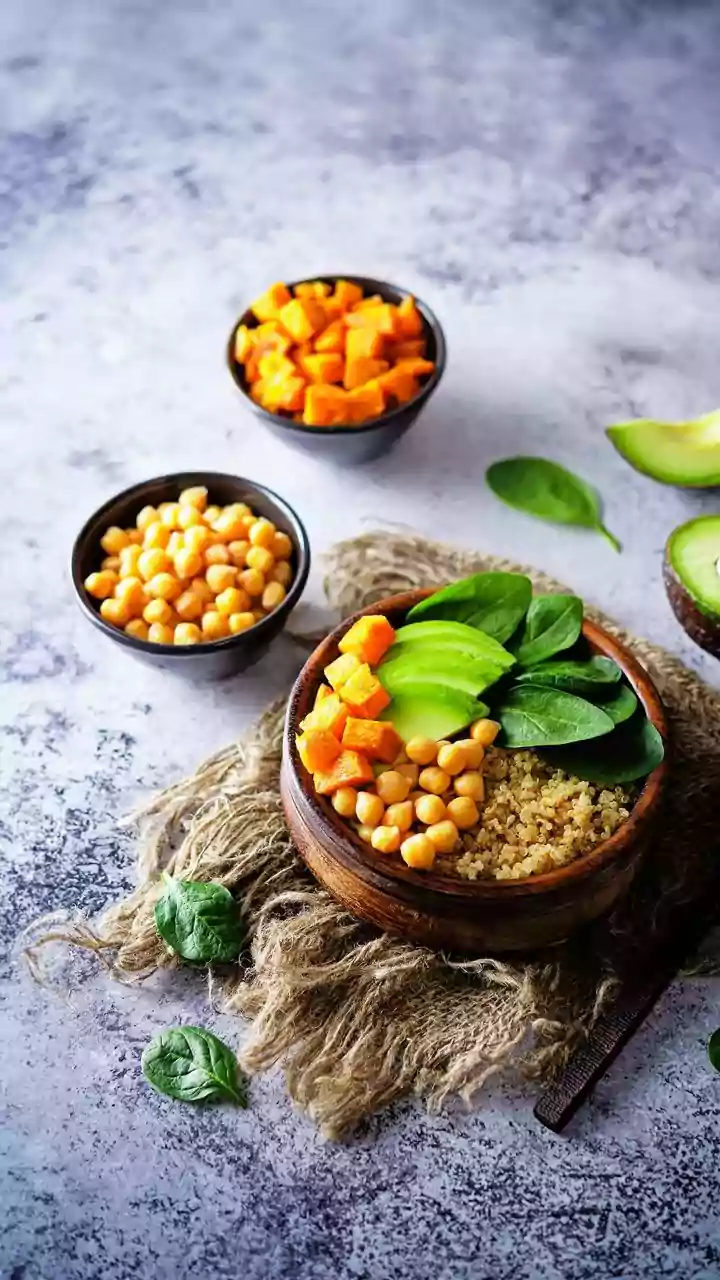
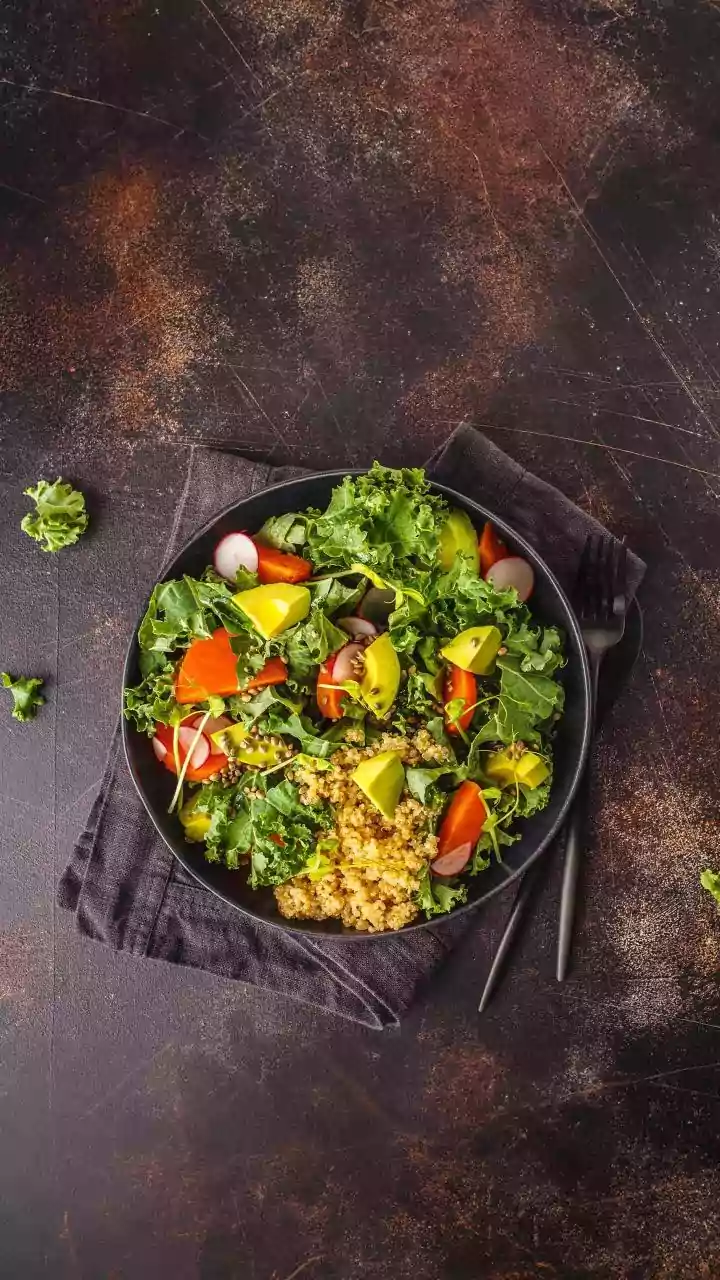
Putting this knowledge into practice is simple. At every meal, aim to include a solid source of protein and a high-fibre food. For breakfast, instead of just toast, try a bowl of oatmeal (fibre) topped with nuts and a scoop of Greek yogurt (protein). For lunch, upgrade your salad with a serving of baked tofu or a generous helping of black beans. Roasted chickpeas make for a fantastic high-protein, high-fibre snack that can tide you over between meals. When preparing dinner, think about dishes like a lentil and vegetable curry, a quinoa bowl with roasted vegetables and edamame, or whole-wheat rotis with a side of paneer bhurji. By intentionally including these two key nutrients, you can build delicious, balanced vegetarian meals that keep you feeling full, energized, and satisfied, making your dietary journey both enjoyable and sustainable.