


Two Paths to the Same Destination
Balance is not just about standing still without falling over; it's a dynamic skill involving our body's sense of its position in space, known as proprioception. Both skating and Tai Chi are masterful at enhancing this sense, though they take very different
approaches. Whether you're holding a steady pose in a park or gliding across a rink, you are training your body to listen to subtle feedback from your muscles and joints and make constant, tiny adjustments to maintain control. This heightened awareness is crucial not just for athletics, but for navigating everyday life with more confidence and stability.
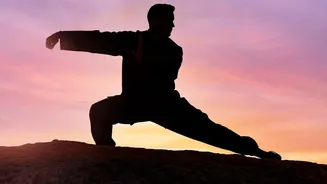
Tai Chi: The Art of Internal Stability
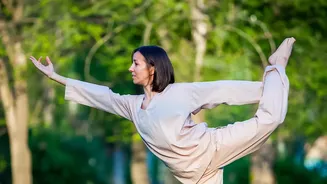
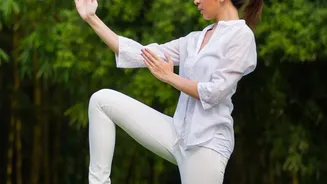
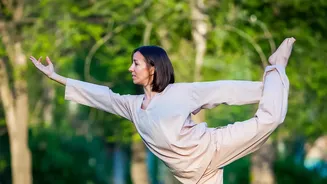
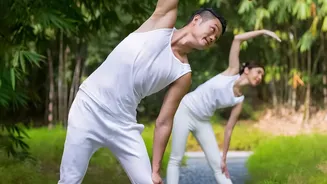
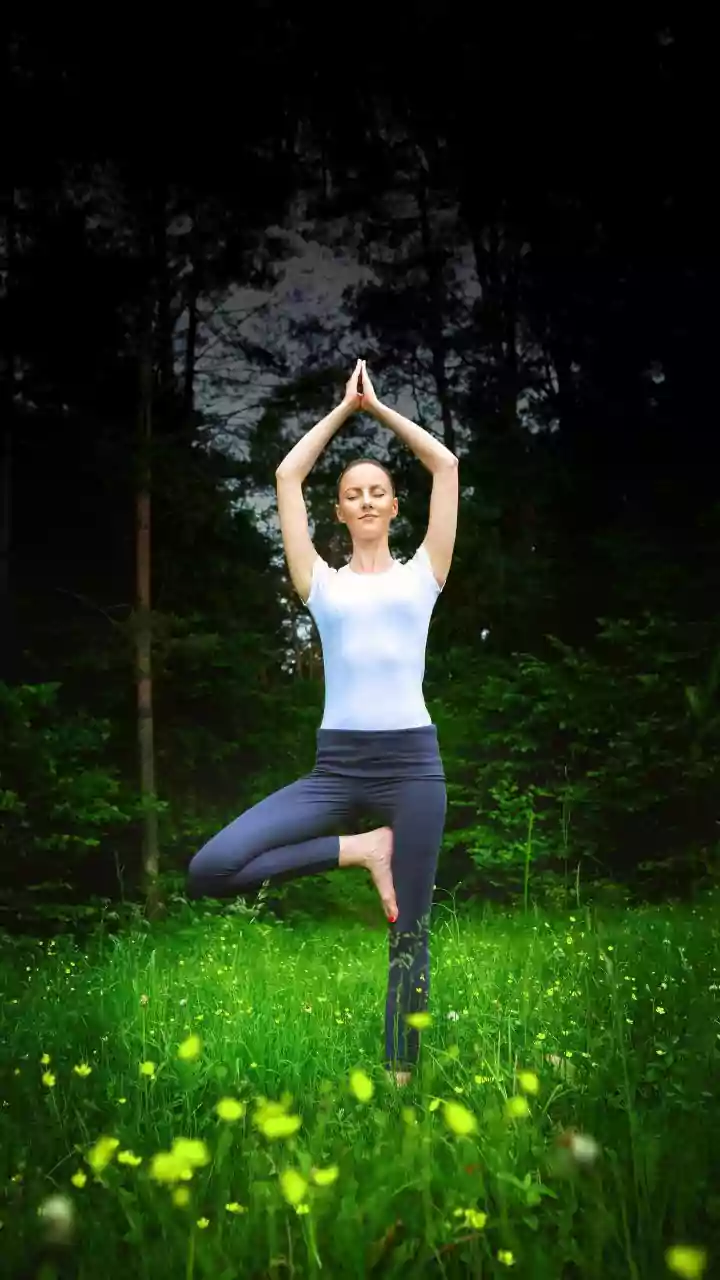
Tai Chi is often called 'meditation in motion' for good reason. Its power in developing balance comes from its slow, deliberate, and continuous movements. Practitioners learn to shift their weight with immense control, often standing on a single leg while the other moves through space. This removes the momentum we usually rely on and forces the neuromuscular system to actively stabilize the body. Core principles include 'rooting'—feeling a firm connection to the ground—and maintaining a low center of gravity. This internal focus trains the mind and body to work in harmony, creating a deep, unshakable foundation of balance from the inside out.
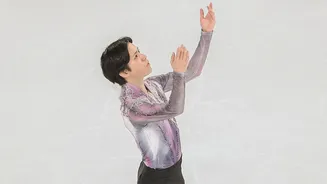
Skating: Mastering Dynamic Equilibrium
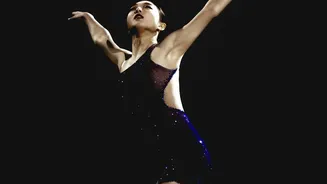
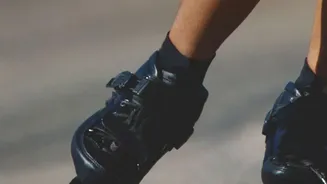
Skating, whether on ice or wheels, teaches balance through managing external forces like momentum and friction. Unlike the grounded practice of Tai Chi, skating happens on an unstable surface, demanding constant reactive adjustments to stay upright. This builds what is known as dynamic balance. Every push, glide, and turn engages the core muscles and requires the body to find its center of gravity while in motion. Skaters develop a keen sense of proprioception to feel how their weight is distributed over the blades or wheels, allowing for quick corrections that prevent falls and enable fluid movement.
Awareness: Meditative Stillness vs. Reactive Flow
The way each practice cultivates body awareness is a study in contrasts. Tai Chi builds this awareness through introspection and mindful, slow transitions. The goal is to feel every part of the movement, from the feet on the ground to the alignment of the spine. It’s about creating a calm, focused state where the mind is fully present with the body. Skating, on the other hand, develops awareness through reaction. The brain learns to process information from the eyes, inner ear, and muscles at high speed to navigate the environment, avoid obstacles, and control momentum. One is a quiet conversation with your body; the other is a fast-paced dance with physics.
Which Practice is Right for You?
Choosing between Tai Chi and skating depends entirely on your personal preferences and fitness goals. If you are seeking a low-impact, meditative practice that reduces stress while building foundational strength and stability, Tai Chi is an excellent choice. Research consistently shows its effectiveness in improving balance, especially in older adults. If you crave a more energetic, cardiovascular workout that challenges your reflexes and provides the thrill of speed, skating might be the better fit. It's a fantastic way to build lower-body and core strength while improving your coordination in a dynamic setting. Both activities are celebrated for improving mental focus, reducing stress, and enhancing overall well-being.