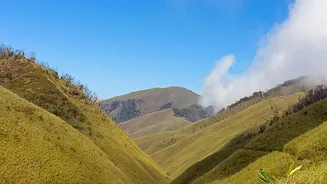




Trek Through the Valley of Flowers: Dzukou Valley
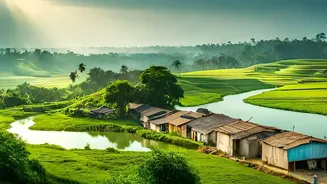
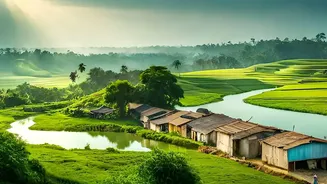
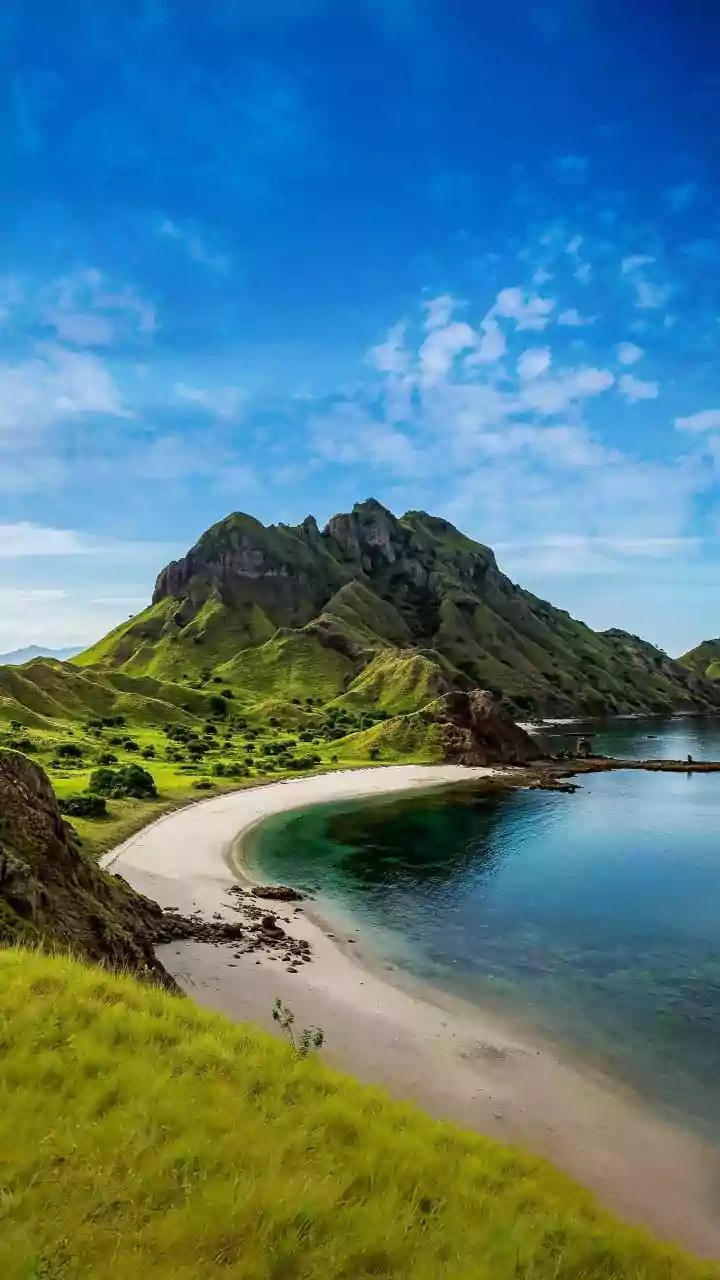
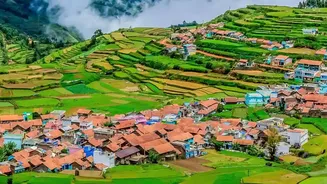
Often called the ‘Valley of Flowers of the Northeast’, Dzukou Valley is a trekker's paradise. Situated on the border of Nagaland and Manipur, this valley is famous for its undulating green hills and meadows carpeted with seasonal flowers, including the rare
Dzukou Lily, which blooms in the summer. The trek itself is a moderate challenge, taking about 3-5 hours depending on your chosen route, typically starting from the villages of Viswema or Jakhama near Kohima. While it can be done as a day trip, most visitors choose to stay overnight in the basic guesthouse to witness the breathtaking sunrise and sunset that paint the valley in surreal colours. It's an experience that combines physical activity with serene natural beauty, offering a complete escape from the bustle of city life.
Step into a Living Museum: Mon District
For a journey into a truly distinct cultural landscape, head to Mon district in the far eastern corner of Nagaland. This is the heartland of the Konyak Naga people, historically known for their formidable warrior traditions and intricate facial tattoos. Visiting Mon feels like stepping back in time. The main attraction is Longwa village, which has a unique geographical distinction: it straddles the international border between India and Myanmar. The village chief's house is famously split between the two countries. Exploring villages like Longwa and Hongphoi offers a chance to meet the Konyak elders, learn about their history, and witness a way of life that remains largely untouched by mainstream tourism. The journey to Mon is long, but the reward is a deeply authentic and unforgettable cultural immersion.
Discover India’s First Green Village: Khonoma
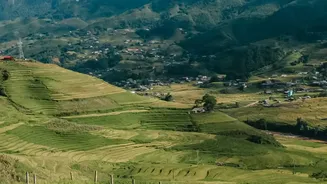
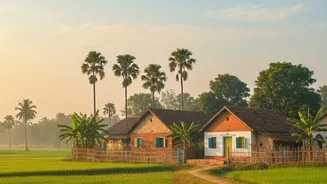
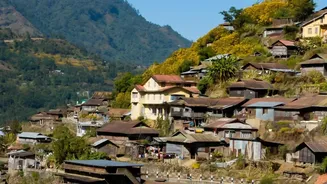
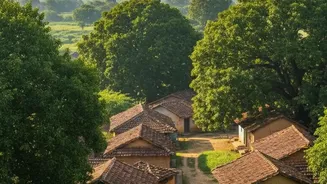
Just 20 kilometres from Kohima lies Khonoma, a village that stands as a testament to community-led conservation. In the late 1990s, the villagers made the collective decision to ban hunting and logging, transforming their ancestral lands into a thriving nature sanctuary. This initiative earned Khonoma the title of India's first 'green village'. The village is a stunning sight, with traditional stone gateways, terraced paddy fields carved into the hillsides, and a rich biodiversity of flora and fauna. A guided walk through its narrow lanes reveals a history of brave Angami warriors who fiercely resisted the British. Staying in a local homestay offers a genuine sense of Angami life and hospitality, making it more than just a day trip.
Explore the Ao Heartland: Mokokchung
Known as the cultural capital of the Ao Naga tribe, Mokokchung offers a different flavour of Nagaland. This bustling hill town, perched on a ridge, is surrounded by old villages that are the epicentre of Ao culture and traditions. Ungma, considered one of the oldest and largest Ao villages, and Longkhum, a scenic hilltop village with panoramic views, are must-visits. Mokokchung provides a slower, more intimate experience compared to the busier tourist circuits. It's a great base for exploring the traditions of the Ao people, who are known for their vibrant Moatsü and Tsüngremong festivals, celebrated in May and August respectively.
Witness a Global Spectacle: Doyang Reservoir
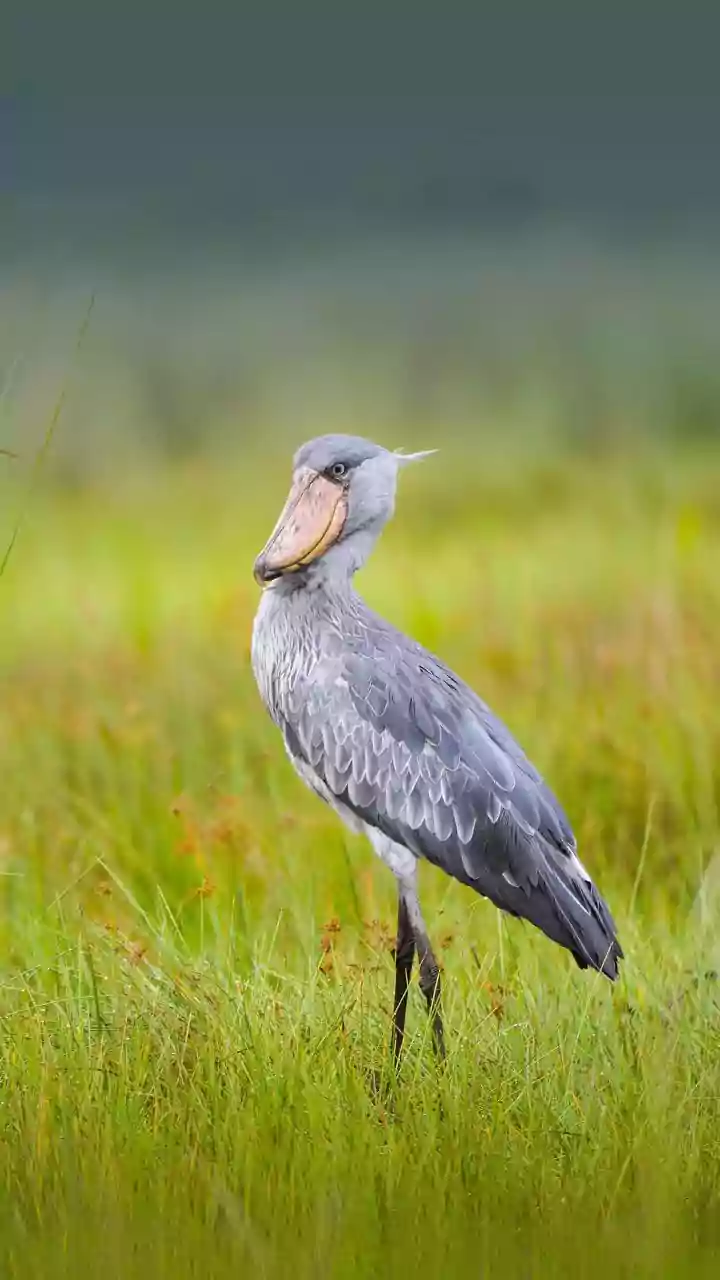
Every year between October and November, the area around the Doyang Reservoir in Wokha district hosts one of the world's most incredible avian events. This is the largest gathering place for Amur falcons during their epic migration from Siberia and Northern China to Southern Africa. What makes this spectacle even more remarkable is the story of conservation behind it. Until 2012, this was a site of mass hunting. Following an outcry, the local communities, led by Pangti village, transformed themselves from hunters to protectors, creating a safe passage for the birds. Today, witnessing the sky fill with tens of thousands of falcons at dusk and dawn is a powerful experience, combining stunning wildlife viewing with an inspiring story of community-driven change.