
The Big Fat Misconception
For decades, fat was public enemy number one in the world of nutrition. This led to a boom in 'low-fat' products, but it also created a lot of confusion. The term 'vegetable fat' itself covers a huge range of products, from heart-healthy olive oil to highly
processed shortenings. The source of the fat and how it's processed are what truly determine its health impact. While some vegetable fats are beneficial, others can be detrimental, especially when consumed in excess. The problem isn't the 'vegetable' part; it's the type and quality of the 'fat' that matters most.
The Good, The Bad, and The Saturated
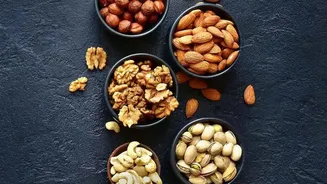
Dietary fats can be broadly divided into three categories: unsaturated, saturated, and trans fats. Unsaturated fats, including monounsaturated and polyunsaturated fats found in foods like avocados, nuts, and olive, canola, and sunflower oils, are considered beneficial. They can help lower 'bad' LDL cholesterol and reduce the risk of heart disease. Saturated fats, found in animal products but also in plant-based oils like coconut and palm oil, are solid at room temperature. A diet high in saturated fat can raise LDL cholesterol, so it's recommended to consume them in moderation. Most dietary guidelines suggest that saturated fat should make up less than 10% of your total daily calories.
The Real Villain: Trans Fats
The most harmful type of fat is artificial trans fat, which is created through an industrial process called hydrogenation. This process turns liquid vegetable oils into solid fats to increase shelf life, stability, and improve texture in foods like baked goods and fried snacks. Partially hydrogenated oils are the primary source of these artificial trans fats. They are known to significantly increase bad (LDL) cholesterol while also lowering good (HDL) cholesterol, promoting inflammation, and increasing the risk of heart disease, stroke, and type 2 diabetes. Due to these health risks, their use has been significantly restricted or banned in many countries, including India, where the Food Safety and Standards Authority of India (FSSAI) has phased out partially hydrogenated vegetable oils.
How to Decode the Nutrition Label
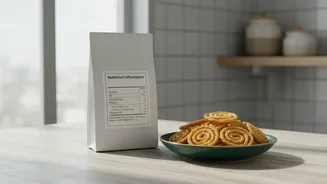
Proper labelling is your best tool for identifying the fats in your food. In India, FSSAI regulations mandate that packaged foods must list nutritional information per 100g/ml and often per serving. When you pick up a package, ignore the marketing claims on the front and turn it over. Look for the 'Nutritional Information' panel. Here’s what to check: Saturated Fat, Trans Fat, and the ingredient list. The FSSAI mandates the declaration of both. Even if a label says “0g trans fat,” be cautious. Regulations may allow this claim if the amount per serving is very low (e.g., under 0.2g). Always check the ingredient list for words like “partially hydrogenated oil” or “vegetable shortening,” as these are clear indicators of trans fats.
Making Smarter Choices in the Aisle
When comparing products, use the 'per 100g' column for a true comparison, as serving sizes can be misleading. A recent FSSAI proposal aims to make information on total sugar, saturated fat, and salt more prominent by requiring them to be in bold and a larger font, empowering consumers to make quicker, healthier decisions. As a general rule, a product with more than 5g of saturated fat per 100g is considered to have a significant amount. Prioritise foods with higher amounts of monounsaturated and polyunsaturated fats. Oils like olive, canola, sunflower, and rice bran oil have been shown to have beneficial effects on cholesterol levels. Ultimately, reading the label empowers you to look past the brand name and see the food for what it truly is.