





What Is 'Double Carbing'?
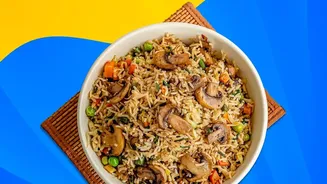
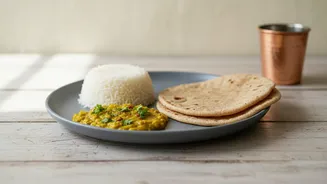
The term 'double carbing' refers to eating two different sources of starchy carbohydrates in the same meal. Think of common Indian meal combinations like dal and rice served with roti, or Western examples like pasta with a side of garlic bread, or a burger
served with french fries. These pairings are popular because they are filling, comforting, and culturally familiar. The trend, however, has recently been discussed online as a potential weight loss strategy, leading to confusion about its actual metabolic effects.
The Fat-Burning Myth
The theory that double carbing could somehow accelerate fat loss is not supported by science. The logic behind such claims is often vague, but the general idea seems related to food combining principles, which suggest that certain food pairings can optimize digestion and metabolism. However, nutrition experts are quick to debunk this. The idea that pairing two carbs will magically alter your body’s metabolic state to prioritize fat burning is a fundamental misunderstanding of how our bodies use energy. In reality, the opposite is more likely to occur.
The Nutritional Reality Check
When you consume carbohydrates, your body breaks them down into glucose for energy. Any excess glucose that isn't immediately used is stored for later, first as glycogen and then as fat. According to experts, consuming two large sources of carbs in one sitting, especially refined carbs like white bread or pasta, causes a significant spike in blood sugar. This prompts a large release of insulin, a hormone that helps your cells absorb glucose. A major side effect of high insulin levels is that it temporarily suppresses lipolysis, the process of breaking down stored fat for energy. Your body becomes busy managing the immediate glucose influx rather than burning existing fat stores. Over time, frequent high-carb meals can reduce your body's efficiency at burning fat and may contribute to weight gain and insulin resistance.
Why the Type of Carb Matters More
Rather than focusing on doubling up, experts advise paying attention to the type of carbohydrates you eat. Carbs are broadly divided into two categories: simple and complex. Simple carbs (like white flour, sugar, and many processed foods) are digested quickly, leading to those sharp blood sugar and insulin spikes. Complex carbohydrates, found in whole grains, legumes, and vegetables, contain fibre. This fibre slows down digestion, leading to a more gradual release of glucose into the bloodstream. This provides sustained energy, keeps you feeling full for longer, and prevents the energy crashes and cravings associated with simple carbs. The key to a healthy diet isn't avoiding carbs, but choosing the right ones.
Smart Ways to Pair Your Foods
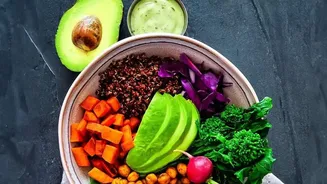
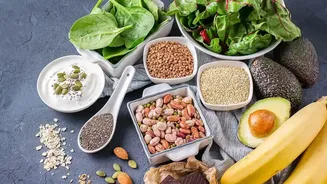
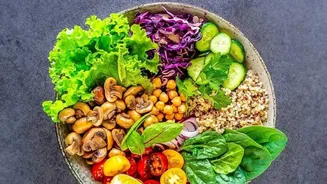
Instead of doubling down on starches, a more effective strategy for health and weight management is to balance your plate. Pair a single portion of a high-fibre, complex carbohydrate with lean protein and healthy fats. For example, instead of rice and potatoes, have a portion of brown rice with a generous serving of vegetable curry and a side of dal or grilled chicken. Protein and fibre increase satiety, helping you feel full and satisfied with fewer calories overall. This balanced approach helps regulate hunger hormones, provides a wider range of nutrients, and supports a stable metabolism without relying on unproven 'hacks'.