




The Alarming Global Picture
The first-ever State of the World's Migratory Species report, launched by a United Nations biodiversity convention, has delivered a sobering verdict. The landmark study found that nearly half (44%) of all migratory species listed under the convention are
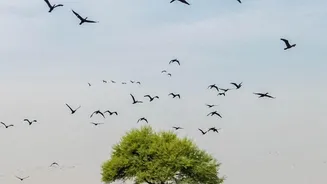
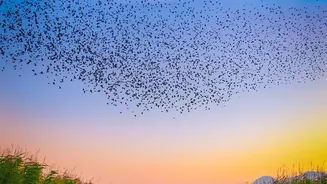
experiencing population declines. A more recent 2026 update noted this figure has worsened to 49%. While the report covers all migratory animals, birds are a major focus. A comprehensive 2026 global review published in Nature Reviews Biodiversity further sharpens this image, estimating that approximately 51% of all migratory bird species are on a downward trend. This isn't just about rare or endangered birds; many once-common species are also seeing significant losses, signalling a widespread biodiversity crisis that spans every major flight path on Earth.
Why Are They Vanishing?
The decline is not due to a single cause but a relentless combination of human-driven pressures. The two greatest threats identified are habitat loss and overexploitation. Across the globe, critical stopover sites—the wetlands, forests, and grasslands that birds rely on to rest and refuel—are being converted for agriculture, urban development, and infrastructure. This fragmentation of their ancient routes is like removing rungs from a ladder; the loss of even one link can imperil the entire journey. Compounding this is the growing impact of climate change, which disrupts migration timing and food availability. Pollution, pesticides, and collisions with power lines and buildings add further layers of danger to their already perilous travels.
The Indian Connection
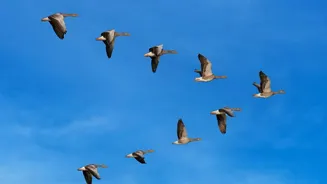
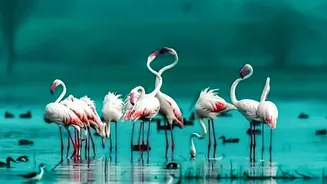
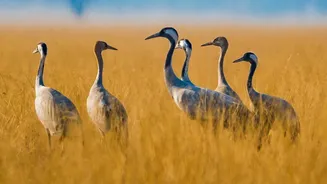
For India, these global statistics have profound local significance. The country sits at the heart of the Central Asian Flyway (CAF), a critical corridor for millions of birds travelling from their breeding grounds in the Arctic and Siberia to wintering havens in South Asia. Species like the Bar-headed Goose, Demoiselle Crane, and numerous shorebirds depend on India's network of wetlands, coastal mudflats, and floodplains. However, these vital habitats are under immense pressure from pollution, encroachment, and unsustainable water management. The degradation of a wetland in India has a direct impact on the survival of a bird that began its journey thousands of kilometres away, highlighting the nation's critical role and responsibility in this global conservation challenge.
More Than Just Birds
The disappearance of migratory birds is more than an aesthetic loss; it's a threat to ecosystem stability. These birds are vital actors on a continental stage, performing essential services like pollinating plants, dispersing seeds, and controlling insect populations. Their decline creates a ripple effect, destabilizing the intricate food webs they support across continents. In India, they are also a key attraction for ecotourism, supporting local economies around famous bird sanctuaries like Keoladeo National Park and Chilika Lake. As their numbers dwindle, so do these ecological and economic benefits, reminding us that their fate is intrinsically linked to our own environmental and economic health.
A Path Forward is Possible
While the trends are alarming, the reports emphasize that declines are not inevitable. Success stories show that coordinated conservation efforts work. In Cyprus, for example, targeted action reduced illegal bird netting by 91%. In Asia, community-led efforts helped three species of stork move to lower threat categories. The key is international cooperation that protects birds across their entire lifecycle, not just in one location. In India, the National Action Plan for the Conservation of Migratory Birds aims to protect habitats and reduce threats along the Central Asian Flyway. Bolstering these initiatives and strengthening protection for wetlands and other stopover sites, both large and small, is crucial to ensuring these global travellers have safe passage.