






First, A Quick Refresher
GLP-1 (glucagon-like peptide-1) agonists were originally developed to treat type 2 diabetes. They work by mimicking a natural gut hormone that signals to your brain when you're full. By slowing down how quickly your stomach empties, these drugs make you feel
satisfied for longer, which naturally reduces appetite and overall calorie intake. This biological mechanism is the foundation for their potent effect on weight, but it's also the reason they're causing such significant shifts in eating behaviours, creating ripple effects across the food industry and our daily lives.
The Key Number: A 20% Drop
So what is the key number causing such a stir? Multiple analyses and studies point to a significant drop in calorie consumption among people taking GLP-1 medications. Users spontaneously reduce their daily calorie intake by anywhere from 15% to 30%, with some estimates suggesting a drop of 700 to 1,000 calories per day. This isn't the result of painstaking calorie counting, but a natural consequence of the drug's effects. Research has shown this translates to real-world spending changes, with households on GLP-1s cutting grocery spending by over 5% and fast-food spending by around 8% within six months. But this overall reduction in calories is only half the story; the real insight lies in which calories are being left on the table.
Quieting the 'Food Noise'
One of the most profound effects reported by users is the reduction of 'food noise'—the constant, intrusive thoughts about food. This isn't just about feeling less hungry; it's a change in the brain's reward system. Studies suggest these drugs can dial down the brain's fixation on food cues, making it easier to resist cravings and emotional eating. As a result, users aren't just eating less, they are actively turning away from certain types of foods. The biggest casualties are often highly processed snacks, sugary drinks, greasy fast food, and even alcohol. Aversions to overly sweet, fatty, or spicy foods become common, partly because the slower digestion can make these items cause discomfort.
A Shift to Quality Over Quantity
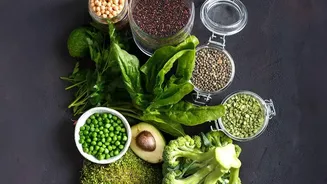
With a reduced appetite and a smaller 'calorie budget', the focus for many users shifts to nutrient density. Every bite matters more when you're eating less overall. This has sparked a surge in demand for high-protein foods, as maintaining muscle mass during weight loss is a key concern for both patients and doctors. Food companies are already responding, launching smaller portion sizes, 'GLP-1 friendly' meal options, and packing more protein into everything from chips to coffee. Simultaneously, consumption of fruits and vegetables has been reported to increase among users. The trend is clear: it's no longer about getting 'more for less', but rather 'better for you'.
The New Food Landscape
The behavioural shifts driven by GLP-1 drugs are creating a new food landscape. Restaurants and manufacturers that rely on indulgent, high-calorie offerings and impulse buys are facing a significant challenge. The data shows a clear pivot in consumer spending away from calorie-dense processed foods and toward simpler, healthier options. This isn't just a fleeting diet trend; because the changes are rooted in a biological mechanism, they have the potential to be long-lasting, even after someone stops taking the medication. This fundamental change in food desire and preference signals a structural shift for the entire food ecosystem, from farm commodities to supermarket shelves.