
The Journey to High-Speed
The Mumbai-Ahmedabad High-Speed Rail (MAHSR) project, a landmark collaboration with Japan, has been a national priority since its foundation stone was laid in 2017. Spanning a 508-kilometre route, the project aims to slash travel time between India's
financial capital and the economic hub of Ahmedabad from over six hours to just around two. The project is being executed by the National High Speed Rail Corporation Limited (NHSRCL). After facing initial delays due to land acquisition challenges, particularly in Maharashtra, and pandemic-related disruptions, construction has gained significant momentum. As of late 2026, substantial progress has been made, with hundreds of kilometres of piers and girders erected, especially across Gujarat, setting the stage for the next phase of track laying and systems installation.
What to Expect from the 2027 Trial Run
Railway Minister Ashwini Vaishnaw has announced that the first trial runs for the bullet train are slated for May or June of 2027. These crucial tests will not cover the entire 508-km corridor at once. Instead, they will be conducted on specific stretches where construction is most advanced, such as the Surat-Vapi or Surat-Bilimora sections in Gujarat. During these trials, the trains will undergo extensive testing for a period of two to four months to ensure all systems are functioning perfectly under Indian conditions before the line is opened to the public. Following the successful completion of these trials, the first commercial service is expected to be inaugurated later in the year, marking a phased rollout of the revolutionary service.
The Technology Powering the Dream
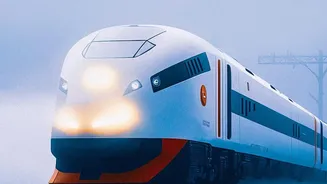
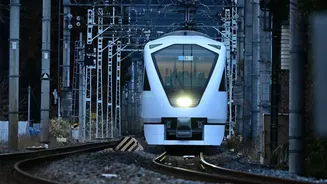
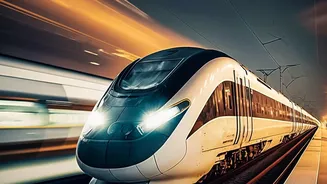
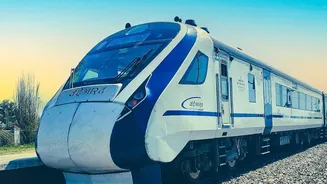
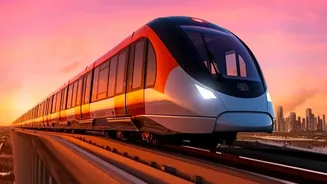
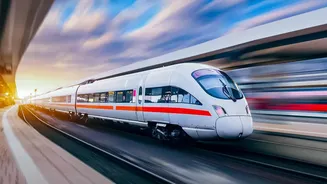
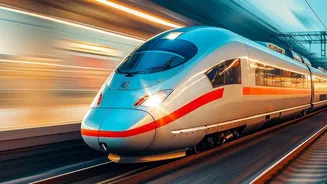
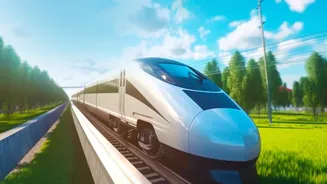
At the heart of this project is Japan’s world-renowned Shinkansen technology. India is procuring modified E5 Series Shinkansen trainsets, which are capable of operating at speeds up to 320 km/h. These trains are being adapted specifically for Indian conditions, with enhanced air conditioning systems to handle temperatures over 50 degrees Celsius and special dust filters. The trains prioritise safety and comfort, featuring advanced anti-derailment systems and automatic braking. Inside, passengers can expect spacious seating, dedicated rooms for child feeding, and even extra-spacious toilets for wheelchair users, setting a new standard for rail travel in the country. The design also incorporates features to reduce the loud "tunnel boom" sound created when trains enter tunnels at high speed.
More Than Just Speed
The bullet train corridor represents more than just a faster way to travel; it is a catalyst for economic growth and a symbol of India's infrastructure ambitions. The project is expected to spur development in the towns and cities along its 12-station route, which includes key locations like Surat, Vadodara, and Thane. The government is leveraging the project to advance its 'Make in India' and 'Atmanirbhar Bharat' initiatives by encouraging the domestic manufacturing of high-speed rail components and even developing indigenous trainsets for future corridors. The successful implementation of the MAHSR is intended to create a standardised template that will accelerate the development of a proposed network of seven new high-speed rail corridors across the country.