





The dream of seamless international travel often crashes into the reality of long queues and confusing paperwork. Now, the world's leading airline association is pushing for a digital overhaul, citing passenger demand for a faster, simpler journey.
The Growing Frustration with Travel Formalities
The
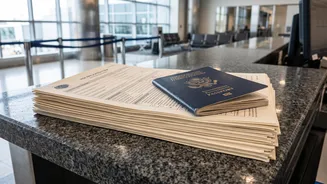
International Air Transport Association (IATA) is urging governments worldwide to simplify and digitise their entry procedures, following the release of its 2026 Global Passenger Survey. The survey, which gathered responses from over 10,000 travellers across more than 200 countries, highlights a significant and growing frustration with complex immigration and visa rules. According to the findings, 43% of travellers said entry requirements have discouraged them from visiting a destination, a sharp increase from 33% in 2025. The primary reason cited by 53% of these passengers was the sheer complexity of the process, rather than cost or privacy concerns. This data paints a clear picture: as other parts of travel become smoother through technology, border formalities are increasingly seen as a major obstacle, negatively impacting travel demand. Notably, travellers in the Asia-Pacific region were significantly affected, with 49% being discouraged by these requirements.
What Passengers Actually Want
The survey makes it clear that travellers are not just complaining; they are ready and willing to embrace digital solutions. An overwhelming 86% of passengers stated they would share immigration information digitally before departure to speed up the process at the airport. Furthermore, 60% of respondents now prefer to apply for visas online, compared to just 25% who would rather visit a consulate in person. There is also a rising desire to get these formalities over with earlier. The survey found that 45% of travellers would prefer to complete immigration procedures entirely before even leaving for the airport, up from 41% the previous year. This demand for pre-travel clearance is coupled with a growing comfort with biometrics. Nearly six in ten passengers have used biometrics at an airport in the last year, with 87% reporting satisfaction with the experience. 78% would share their biometric data if it meant a faster, more seamless airport journey.
Enter the Digital Travel Credential
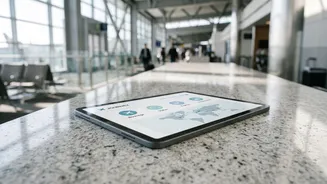
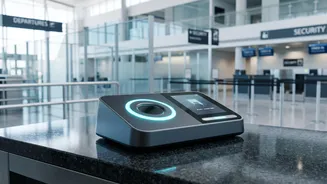
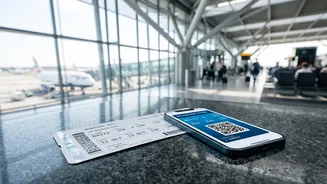
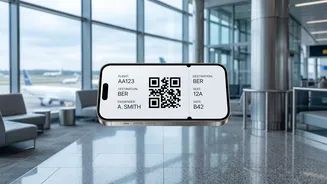
The technological centrepiece of this proposed future is the Digital Travel Credential, or DTC. A DTC is essentially a secure, digital version of your passport that can be stored in a digital wallet on your smartphone. It's more than just a picture of your passport; it's a cryptographically secure file issued by your government that contains the same data found on your passport's electronic chip. The idea, championed by IATA and based on standards from the International Civil Aviation Organization (ICAO), is to create a globally interoperable system. This would allow a passenger to verify their identity just once, remotely, before their trip. That verified digital credential could then be used at every checkpoint—from check-in and bag drop to security and boarding—often with just a facial scan, eliminating the need to repeatedly present a physical passport.
The View from India: Progress and Potential
India is already a key player in this global shift towards contactless travel. With the DigiYatra platform, which uses facial recognition to offer a paperless experience at many domestic airports, the country has a strong foundation. Earlier in 2026, Bengaluru's Kempegowda International Airport was part of a successful global trial with IATA and IndiGo, demonstrating how a digital identity system could work for international travel. This test proved that a traveller's identity could be securely established in advance and verified at all touchpoints using only their face. The CEO of the Digi Yatra Foundation noted that by aligning with IATA's 'One ID' standards, India is paving the way for interoperability with other global systems. Expanding this capability would mean that the convenience of DigiYatra could one day extend to international journeys, connecting seamlessly with systems in other countries.
Hurdles on the Path to a Seamless Journey
While the technology has been proven to work in trials, a global rollout faces significant challenges. The biggest hurdle is not technology, but policy. For a truly seamless journey, governments around the world need to agree on common standards for issuing and accepting DTCs. Without this harmonisation, a digital credential that works in one country might not be recognised in another, creating a fragmented and confusing experience for travellers. Data privacy and security are also major concerns. The IATA survey found that 59% of passengers worry about data breaches. Building trust is paramount, and it requires transparent policies about how personal biometric data is stored, used, and protected. Finally, there's the practical issue of ensuring backup systems are in place for when technology fails, as a dead phone battery or a system glitch could otherwise bring a journey to a halt.