





Crisp and Crunchy: The Raw Approach
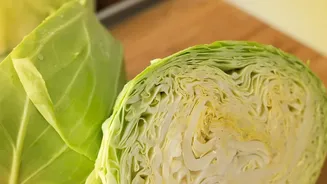
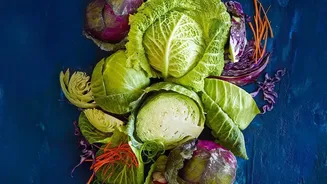
The most straightforward way to enjoy cabbage is raw, where its natural crunch shines. Finely shredding green or purple cabbage creates the perfect base for a classic coleslaw or a vibrant, modern salad. For the best texture, use a sharp knife or a mandoline
to get uniform, thin slices. This method preserves the cabbage's crispness and provides a refreshing bite. Combining it with carrots, onions, and fresh herbs like cilantro or parsley adds layers of flavour and crunch. A zesty vinaigrette, perhaps with a base of lime juice or apple cider vinegar, can slightly soften the leaves while keeping them delightfully crisp. This raw preparation is perfect for adding texture to tacos, sandwiches, and grain bowls.
Charred and Caramelised: The Magic of Roasting
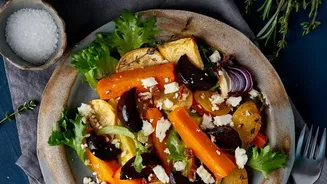
Roasting transforms cabbage into something truly special. When cut into thick, steak-like wedges and cooked at a high temperature, the edges become deeply browned and crispy, while the core turns tender and almost buttery. This high-heat method brings out the cabbage's natural sweetness through caramelisation. Simply toss the wedges with olive oil, salt, and pepper, and roast them on a hot sheet pan. Don't be afraid of some dark, charred bits; they add a wonderful smoky flavour. For extra richness, you can finish the roasted cabbage with a sprinkle of Parmesan cheese, a squeeze of fresh lemon juice, or a drizzle of balsamic vinegar to complement its newfound depth.
Silky and Tender: The Art of Braising
Braising is a slow-cooking method that renders cabbage luxuriously soft and succulent. This technique involves first lightly sautéing the cabbage and then simmering it in a flavourful liquid over low heat. The process allows the cabbage to absorb the surrounding flavours, whether it's chicken broth, white wine, or simply water with aromatics like onions and carrots. After about an hour of gentle cooking in a covered pot, the cabbage becomes melt-in-your-mouth tender, shedding its raw crunch entirely for a silky, rich texture. This method works beautifully with both green and red cabbage and results in a comforting side dish that pairs well with hearty mains.
Quick and Snappy: The Classic Stir-Fry
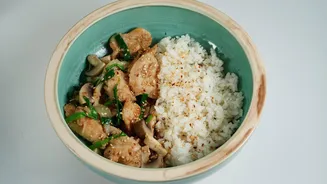
For a texture that’s tender but still has a bit of a bite, the stir-fry is your best friend. The key is to use high heat and cook quickly. Many chefs recommend stir-frying shredded cabbage in a very hot, dry wok or skillet for a few minutes first to char the edges slightly before adding oil and other ingredients. This quick searing process helps develop a smoky flavour while ensuring the cabbage remains crisp-tender, not mushy. Once you add aromatics like garlic and ginger, along with a flavourful sauce, you toss everything together for just another minute or two. The result is a fast, flavourful dish where the cabbage retains a satisfying snap.
Funky and Tangy: The Power of Fermentation
Fermentation is a transformative process that not only creates complex, tangy flavours but also results in a unique texture. Sauerkraut and kimchi are the most famous examples of fermented cabbage. The process involves massaging shredded cabbage with salt to draw out its water, creating its own brine. Over several days or weeks, natural bacteria convert sugars into lactic acid, preserving the cabbage and giving it its characteristic sour taste. The final texture is tender yet firm, with a pleasant chewiness that’s distinct from any other cooking method. Homemade sauerkraut or kimchi can be a rewarding project, adding a probiotic-rich, flavourful condiment to your meals.