






The Origin of the Reports
The controversy began with a news report from a Bhutanese publication, which claimed that Bhutan had asked Indian oil marketing companies to continue supplying conventional petrol instead of the 20% ethanol-blended E20 fuel. The report cited concerns
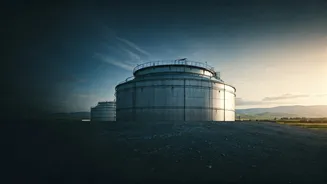
from Bhutanese officials regarding the country's existing infrastructure, particularly the condition of its underground fuel storage tanks. Officials reportedly feared that ethanol's ability to absorb moisture (its hygroscopic nature) could lead to fuel contamination, given the potential for water seepage in the mountainous country's older tanks. These concerns were amplified by social media users and political figures in India, turning it into a larger debate.
Understanding E20 Petrol
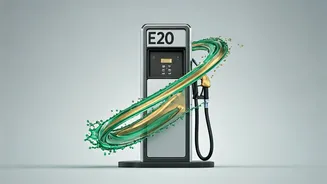
E20 is a blend of 80% petrol and 20% ethanol. India has been aggressively promoting its adoption as part of a national strategy to reduce reliance on imported crude oil, lower carbon emissions, and support the country's agricultural sector through ethanol production. The government has stated that E20 fuel was introduced only after extensive testing by leading technical institutions to ensure its reliability and performance. While the rollout has been a key policy, it has also generated discussion among vehicle owners in India, particularly those with older models not originally designed for ethanol blends, about potential impacts on fuel efficiency and maintenance.
India's Official Government Clarification
In response to the growing speculation, India’s Ministry of Petroleum and Natural Gas issued a strong denial. Through official statements, the ministry clarified that claims of Bhutan declining an offer for E20 petrol were incorrect for a simple reason: no such offer was ever made. The government stated unequivocally that Indian oil marketing companies had not proposed exporting E20 petrol to Bhutan, and there is currently no formal plan to do so. This official fact-check aimed to debunk the reports and urged the public to rely only on information from official government channels.
The India-Bhutan Energy Partnership
The entire episode unfolds against a backdrop of a deep and strategic energy relationship between the two neighbours. India is the sole supplier of petroleum, oil, and lubricant products to Bhutan, a partnership solidified by a Memorandum of Understanding (MoU). This agreement, approved by the Indian Cabinet in March 2024, is designed to ensure a secure and long-term supply of hydrocarbons to Bhutan and is seen as a key part of India's 'Neighborhood First' policy. Given this strong and exclusive supply arrangement, a unilateral rejection of fuel from India would be a significant and unlikely diplomatic and commercial event. The editor of the Bhutanese newspaper that first published the story has stated that their reporting was based on responses from Bhutanese officials.
What This Means for Travellers and Consumers
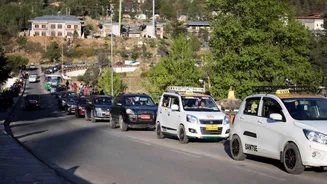
For Indian tourists who frequently drive to Bhutan, the primary takeaway from the government's clarification is that there is no ban or restriction related to E20 fuel. The controversy appears to stem from a misunderstanding or a hypothetical discussion rather than an active policy change. The Indian government's statement confirms that the fuel supply arrangement remains unchanged. While Bhutanese officials may have internal concerns about upgrading their infrastructure for future fuel blends, this has not translated into any rejection of current supplies or a ban on Indian vehicles. The situation highlights a recurring theme in the digital age: the rapid spread of information and the crucial need to verify it with authoritative sources before drawing conclusions.