




Luchi: The Golden, Puffy Delight
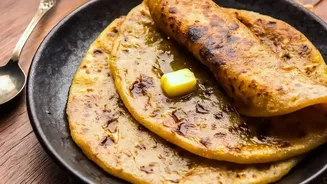
No Bengali celebration, especially Durga Puja, feels complete without the sight of freshly fried, puffed-up Luchi. This deep-fried bread, made from maida (all-purpose flour), is a festive staple. Unlike its whole-wheat counterpart, the puri, luchi is characteristically
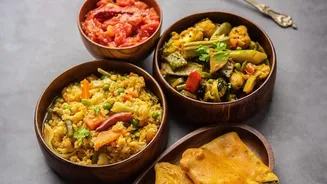
pale and wonderfully soft. It serves as the perfect canvas for a variety of side dishes. During Puja, it is most famously paired with Alur Dom (a spicy potato curry) or Cholar Dal, a subtly sweet lentil preparation cooked with coconut and raisins. Whether for a special Puja breakfast or as part of the elaborate community feasts, the simple combination of a few basic ingredients—flour, salt, ghee or oil, and water—transforms into a symbol of joy and togetherness. Its presence on the plate is a warm, edible welcome to the festivities.
Payesh: The Sweet Pudding of Celebration
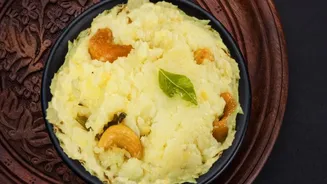
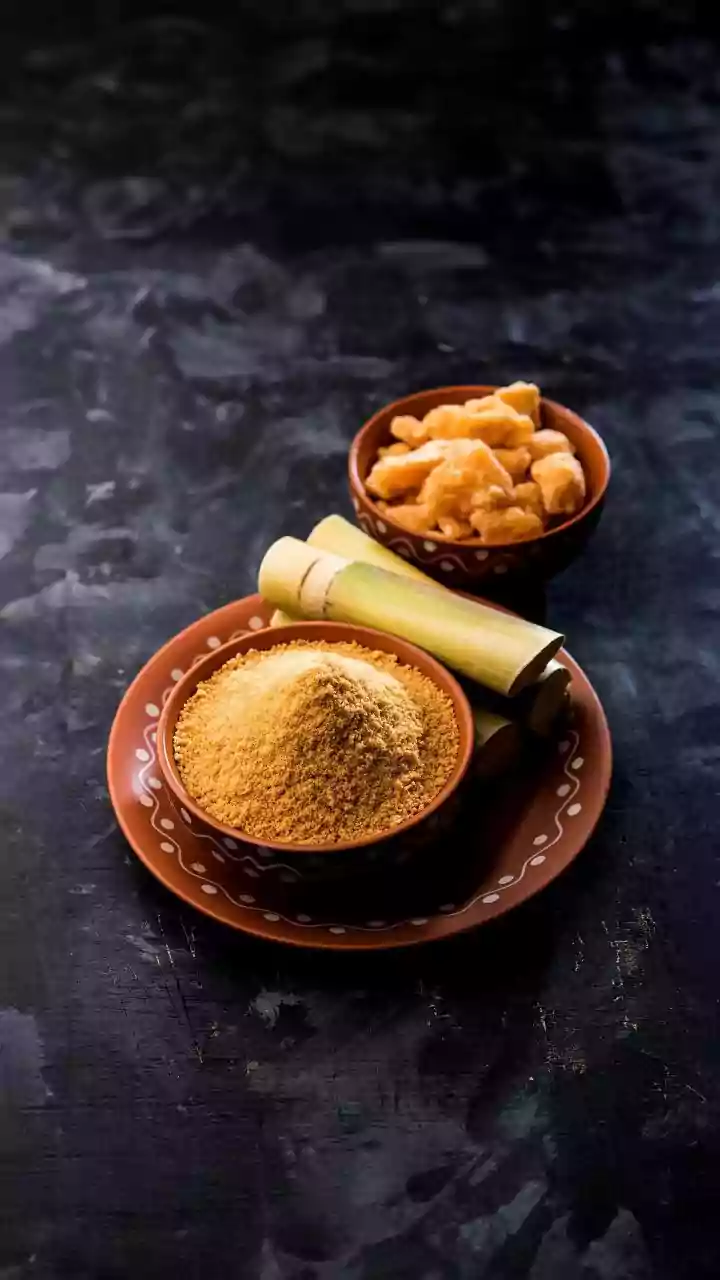
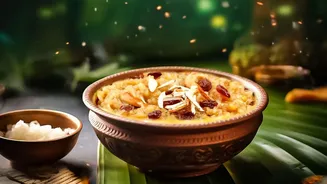
Payesh is more than just a dessert in Bengali culture; it is an emotion, a carrier of heritage, and a mandatory part of any celebration. This slow-cooked rice pudding, known elsewhere as kheer, holds a special place during Durga Puja, often appearing as a key component of the bhog—the sacred food offered to the goddess. Traditionally made with fragrant Gobindobhog rice, full-fat milk, and sugar or jaggery, Payesh is simmered until thick and creamy. It's delicately flavoured with cardamom and bay leaves, and garnished with nuts and raisins for richness. The word 'Payesh' itself is derived from a Sanskrit word for milk, highlighting its purity and significance as a pious offering. Enjoyed on birthdays and festivals, it symbolises good luck, prosperity, and the sweet conclusion to a festive meal.
Sandesh: The Artful Bengali Sweet
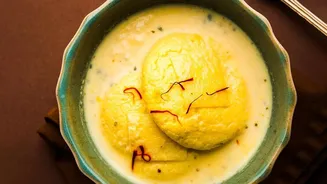
Sandesh is one of Bengal's most iconic sweets, a delicate creation made from fresh chhena (Indian cottage cheese). Its preparation is an art form, involving kneading the chhena with sugar or jaggery until smooth, and then cooking it gently to achieve the perfect consistency. During Durga Puja, sweet shops and home kitchens produce an incredible variety of Sandesh. They come in countless shapes, often created with beautiful moulds, and a wide range of flavours, from classic recipes to modern interpretations like chocolate or mango sandesh. A particularly cherished version is the Nolen Gurer Sandesh, made with seasonal date palm jaggery, which imparts a unique, caramel-like flavour and aroma. As a quintessential part of the festive platter and a popular gift, Sandesh represents the refined sweetness and artistry of Bengali culinary traditions.
A Symphony on the Plate
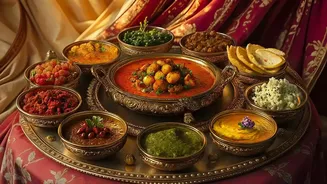
While each of these dishes is a star in its own right, their true magic is revealed when they come together on a festive thali. The experience of tearing a piece of hot, soft luchi and dipping it into a flavourful curry, followed by a spoonful of creamy payesh, is central to the Durga Puja food experience. This combination of savoury and sweet is a hallmark of Bengali cuisine. These foods are not just sustenance; they are part of a larger cultural celebration that involves community feasts, pandal hopping, and family gatherings. The dishes connect generations, with recipes and traditions being passed down, ensuring the spirit and flavour of the festival remain intact. During Durga Puja, food becomes a language of devotion, hospitality, and shared joy.