



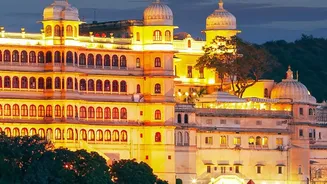


Defining the 'Three-Key' Category
While the Indian government officially classifies heritage hotels into categories like 'Heritage,' 'Heritage Classic,' and 'Heritage Grand' based on their age, the term 'three-key' has emerged to signify the absolute pinnacle of this segment. Coined in 2024
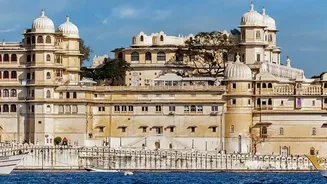
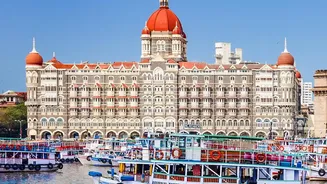
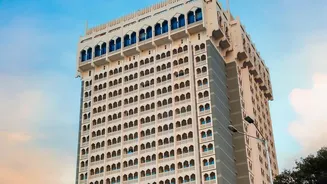
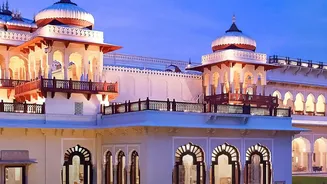
by the Michelin Guide, this designation is reserved for properties that offer an experience so unique it transcends typical luxury standards. A three-key hotel is considered an irreplaceable destination in itself, where history, architecture, and geography combine to create something extraordinary. These are not merely hotels; they are institutions like the Taj Lake Palace or Umaid Bhawan Palace, where the experience is inseparable from the historic site itself.
The Enduring Allure of Royal Experiences
The continued dominance of palace hotels in 2026 is driven by a powerful global trend: the shift towards experiential travel. Modern luxury consumers, both domestic and international, increasingly seek out unique stories and cultural immersion. Palace hotels are perfectly positioned to meet this demand, offering guests a chance to live, even temporarily, like royalty. This might include arriving by horse-drawn carriage, being greeted with a shower of rose petals, or having access to butlers trained in the protocols of a royal court. For many foreign tourists, these properties are the most tangible way to explore India's rich culture and traditions. This unique selling proposition allows them to command significant pricing power, with some itineraries costing thousands of dollars per person.
More Than a Stay: The Business of Grandeur
Beyond tourism, the financial success of these properties is anchored in the massive Indian wedding market. For affluent families, hosting a wedding at a renowned palace hotel is the ultimate status symbol, generating substantial revenue. The luxury hotel market in India was valued at over USD 4 billion in 2026 and is projected to grow significantly. Palace hotels, operated by giants like Taj (IHCL), Oberoi, and Leela, consistently outperform the broader luxury segment in revenue per available room (RevPAR). For instance, The Leela Palaces, Hotels and Resorts reported strong growth in early 2026, with its RevPAR performance significantly outpacing the luxury market average, underscoring its strong pricing power. This financial strength is crucial, as it funds the immense cost of maintaining these historic structures.
Challenges in a Modern Market
Despite their success, running a palace hotel is not without significant challenges. The primary obstacle is the staggering cost of maintenance and restoration. These are not modern constructions; they are ageing assets that require constant, specialized upkeep to preserve their architectural integrity while integrating modern comforts. There is also intense competition from newly built 'modern palace' hotels, which draw inspiration from historic designs but are more efficient to operate. Furthermore, finding and training staff to deliver the highly personalized, historically-aware service expected at these properties is an ongoing challenge. Issues like poor connectivity or infrastructure in remote locations can also impact operations.