


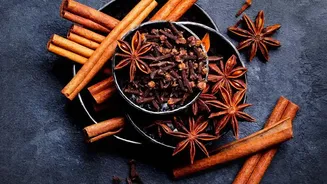
Know Your Cinnamon: Cassia vs. Ceylon
The vast majority of cinnamon sold in supermarkets is a variety called Cassia. It comes from the Cinnamomum cassia tree, primarily grown in China and Southeast Asia. It has a strong, spicy, and robust flavour, which is what many people associate with
the taste of cinnamon. Cassia is popular because it is inexpensive and widely available. The other main type is Ceylon cinnamon, often called “true cinnamon.” Hailing from the Cinnamomum verum tree native to Sri Lanka, it is more expensive and less common. Ceylon cinnamon has a lighter, tan-brown colour and offers a milder, sweeter, and more delicate flavour with citrus and floral notes. This makes it ideal for desserts and dishes where you don't want the spice to be overpowering.
The Coumarin Consideration
One of the most significant differences between the two types is their coumarin content. Coumarin is a natural plant compound that can be harmful to the liver in large or regular doses. Cassia cinnamon is a rich source of coumarin, containing approximately 250 times more than Ceylon. While an occasional sprinkle on your oatmeal is unlikely to cause harm, people who consume large amounts of cinnamon daily—for instance, in supplements or for health reasons—should be cautious. Ceylon cinnamon contains only negligible amounts of coumarin, making it the safer choice for regular, heavy use. The established tolerable daily intake (TDI) for coumarin is 0.1 mg per kilogram of body weight, a level that can be exceeded with just a teaspoon of some Cassia powders.
Check the Label for Clues
Since powders can be hard to tell apart visually, the label is your best guide. Look for the botanical name to be sure. True cinnamon will be listed as “Cinnamomum verum” or sometimes “Cinnamomum zeylanicum.” Cassia varieties might be labelled as “Cinnamomum cassia,” “Cinnamomum burmannii,” or simply “cinnamon.” The country of origin is another strong hint; if the package says “Made in Sri Lanka,” it is likely Ceylon. Cassia typically originates from Indonesia, Vietnam, or China. Be wary of vague terms like “pure cinnamon,” as this often refers to Cassia. Truly transparent brands will clearly state the type on the front of the package.
The Risk of Lead and Other Adulterants
In recent years, food safety agencies have issued recalls for some ground cinnamon products due to elevated levels of lead. This contamination can happen in several ways: the spice may absorb lead from the soil and water where it's grown, or it can be contaminated by processing equipment. More alarmingly, some producers have been known to intentionally add lead-containing compounds to increase the powder's weight and enhance its colour, a dangerous and illegal practice known as food adulteration. Besides lead, some low-quality powders may be diluted with fillers like flour or even sawdust, which can be detected with a home iodine test that will turn blue-black in the presence of starch. Buying from well-known, reputable brands that are transparent about their sourcing and testing can help mitigate these risks.
Use Your Senses: Colour and Aroma
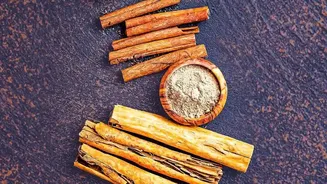
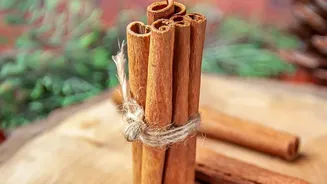
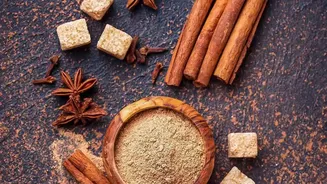
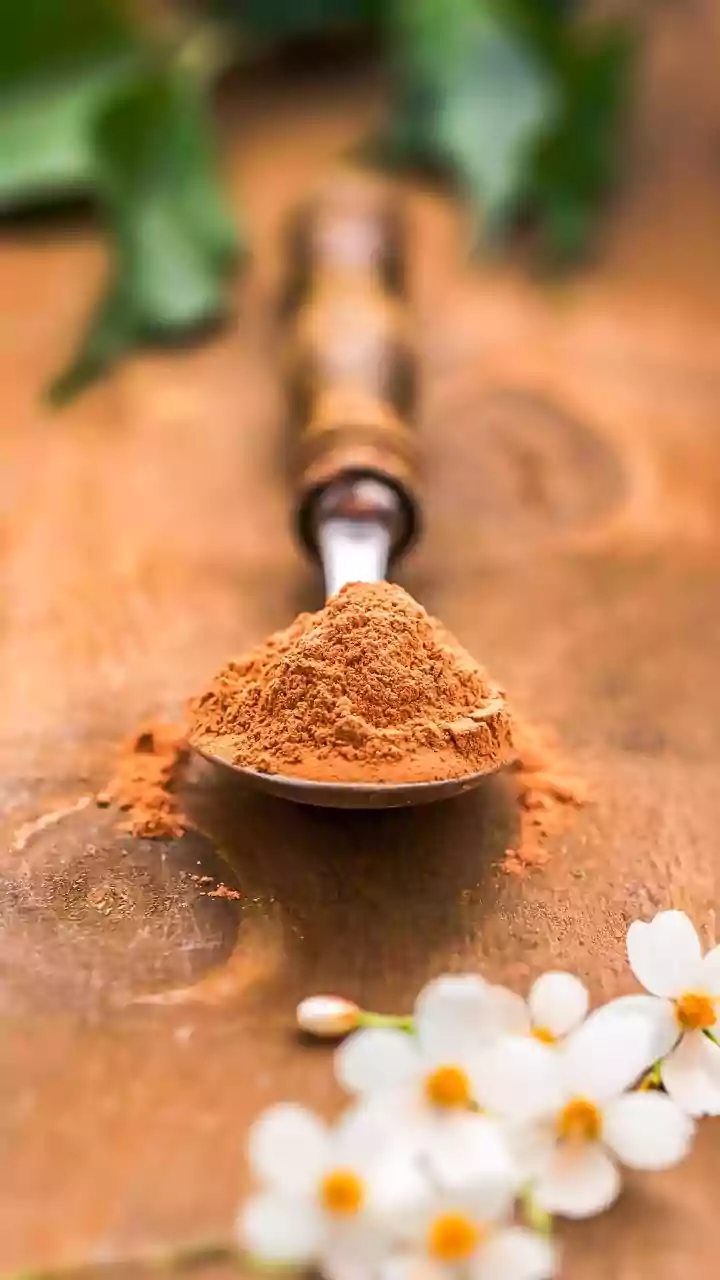
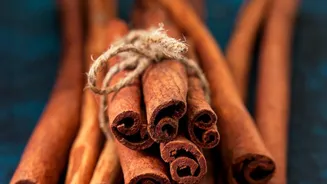
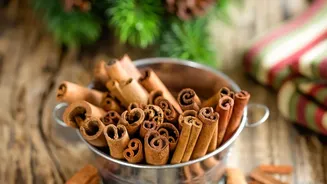
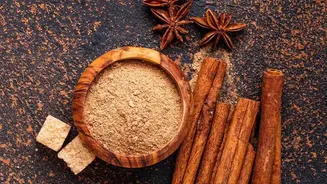
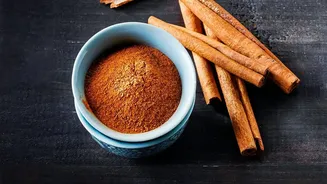
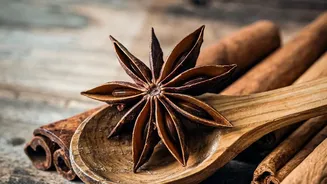
While not foolproof for powders, colour and smell can offer supporting clues. Ceylon cinnamon powder is typically a light, tan-brown, whereas Cassia is darker and more reddish-brown. When it comes to aroma, Ceylon is mild, sweet, and floral. Cassia, on the other hand, has the powerful, sharp, and spicy scent that is instantly recognizable. If you buy whole sticks, the difference is even more apparent. Ceylon sticks are composed of many thin, fragile, paper-like layers rolled into a cigar-like shape. Cassia sticks are much harder, thicker, and typically consist of a single, hollow layer of bark.