



The Seasoning Secret for Indian Cooking
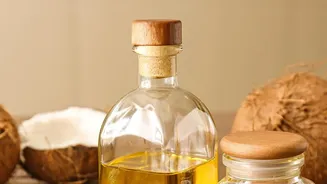
Seasoning is the process of creating a natural, non-stick surface by baking oil onto the cast iron. While many online guides recommend specific, sometimes expensive oils like flaxseed, the truth is that any cooking oil you use in your kitchen will work.
Gingelly (sesame) oil, mustard oil, or even groundnut oil are excellent choices readily available in India. The process is simple: apply a very thin layer of oil to the entire surface of your clean, dry pan and heat it on the stove until it just begins to smoke. Let it cool, wipe away any excess, and you're done. The more you cook with fats and oils, especially when making a tadka, the better your seasoning will become. Think of seasoning not as a one-time chore, but as an ongoing relationship with your pan.
Mastering the Classics: Dosa, Roti, and Curries
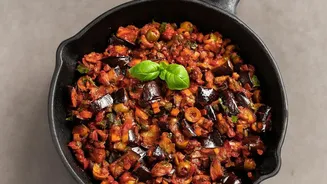
The real test of a pan in an Indian kitchen is how it handles our staples. For perfectly crisp, restaurant-style dosas, the key is even heat. Don't blast your tawa on high from the start; allow it to pre-heat gradually on a medium flame. A classic trick is to rub half an onion on the hot, oiled surface before spreading the batter; this helps prevent sticking and adds a subtle flavour. For rotis and parathas, cast iron's excellent heat retention ensures they puff up beautifully. When it comes to curries, be mindful of acidic ingredients like tomatoes, tamarind, or vinegar. While it's fine to cook them in cast iron, simmering such dishes for a long time can strip the seasoning and cause a metallic taste. It's best to avoid storing these acidic foods in the pan.
The Cleaning Conundrum: To Soap or Not to Soap?
The most common advice you'll hear is to never use soap on cast iron. For a light clean after making rotis, a simple wipe is enough. But after a rich, oily curry, this advice feels impractical. Here’s a more realistic approach: scrape out any large food bits, then rinse the pan under hot water, using a soft brush or scrubber for stubborn particles. For really stuck-on food, a paste of coarse salt and water works wonders as a scrub. If you must use soap, a tiny drop of mild liquid soap is acceptable, but only if you rinse it thoroughly and, most importantly, re-season immediately.
Rust: The Monsoon Menace and How to Beat It
In India's humid climates, rust is the number one enemy of cast iron. The biggest mistake is letting the pan air dry or soaking it in the sink. Water is not its friend. After every single wash, you must dry your cookware completely. The most effective way to do this is by placing it back on the stove over low heat for a few minutes until every last drop of moisture has evaporated. Then, apply a thin coat of oil before storing it in a dry place. If rust does appear, don't panic. It's easily fixable. Scrub the rust away with steel wool, wash, and then perform a full re-seasoning process to restore its protective layer.
Choosing Your First Piece
If you're new to cast iron, starting with a pre-seasoned pan is a great way to ease into it. Look for a traditional kadai for curries and deep-frying, and a flat tawa for dosas and rotis. These two shapes will cover a majority of Indian cooking needs. Don't worry about minor imperfections on the surface; cast iron is not meant to be perfectly smooth like non-stick pans. Its slightly porous texture is what helps the seasoning build up over time. Remember, this cookware is incredibly durable and can last for generations with the right care, becoming a treasured heirloom in your kitchen.