





A 22% Shortfall
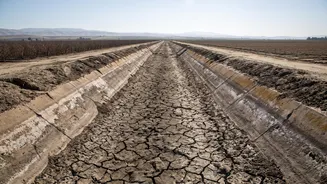
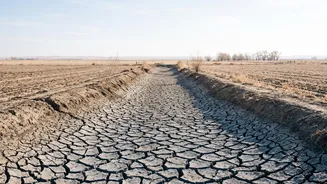
The Indus River System Authority (IRSA) has officially projected a 22% water shortage for the crucial Rabi 2026-27 season, which runs from October to March. This estimate was approved by IRSA's Advisory Committee and applies primarily to the country's
agricultural powerhouses, the provinces of Punjab and Sindh. These two provinces will bear the brunt of the cuts as Balochistan and Khyber Pakhtunkhwa are exempted from shortages under the current distribution formula. The total anticipated water availability for provincial withdrawal is 29.183 million acre-feet (MAF), a figure only slightly above the ten-year average but insufficient to meet the full demand.
Why Is This Happening?
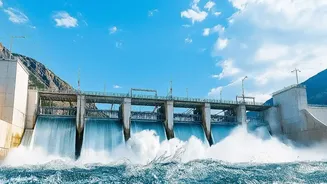
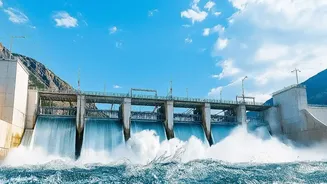
The looming shortage is the result of several compounding factors. The preceding Kharif season (April-September) experienced significantly lower-than-average river inflows, which were down 22% from the previous year and 7% below the ten-year average. This was partly due to 50% less snowfall than average in catchment areas and insufficient snowmelt from the northern regions. Consequently, water storage in the country’s major reservoirs was critically low at the end of September. Reservoirs held just 9.343 MAF, well below the 13.214 MAF stored at the same time last year and below the ten-year average. Delays in key infrastructure projects at the Tarbela Dam have also been flagged by IRSA as a contributing factor, preventing the storage of over 3 MAF of water during the Kharif season.
Impact on the Wheat Crop
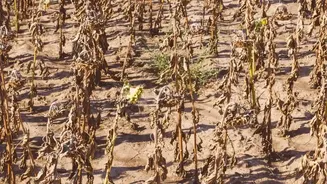
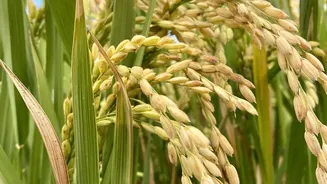
The timing of this shortage is particularly alarming as the Rabi season is when Pakistan grows its most important staple crop: wheat. A 22% reduction in irrigation water poses a direct threat to wheat production targets in Punjab and Sindh, which together account for the vast majority of the country's output. This comes after a weaker-than-expected wheat harvest in the previous season, which already fell more than two million tonnes short of its target, prompting the government to approve imports. Farmers may be forced to rely more heavily on groundwater, further straining already depleting aquifers, or face the prospect of lower crop yields.
Economic and Social Consequences
The ripple effects of a poor wheat harvest extend far beyond the farm gate, threatening national food security and stoking inflation. Even before the impact of this projected shortage, flour prices in Pakistan had already seen a sharp year-on-year increase of over 30% in both urban and rural markets. Another underperforming wheat crop could necessitate further costly imports, placing additional strain on the country's foreign exchange reserves. The wider agricultural sector, which is central to Pakistan's economy, faces significant pressure, affecting rural livelihoods and economic stability.
Managing the Crisis
In response to the forecast, IRSA's committee has approved a water distribution plan, allocating 15.564 MAF to Punjab and 11.748 MAF to Sindh for the season. The authority has stated that it will periodically review the shortage situation as conditions evolve. The approved plan also includes a scheduled closure of the Chashma Barrage for 21 days between December 26, 2026, and January 14, 2027, to align with provincial canal closure programs. However, the recurring nature of these shortages has intensified the debate within Pakistan over long-term solutions, including the need for better water management, revisiting cropping patterns for water-intensive plants like rice and sugarcane, and completing delayed dam and infrastructure projects.