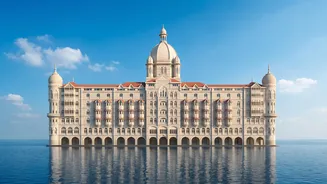







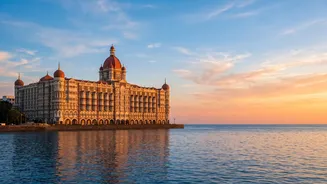
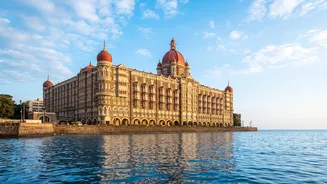

A National Icon on the World Stage
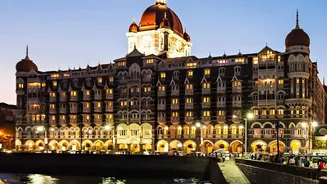
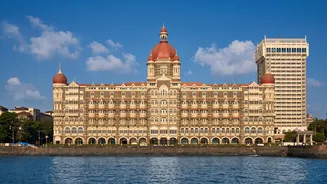
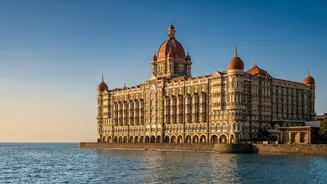
The Taj Mahal Palace, a Mumbai landmark for over a century, has been recognised as the only Indian hotel in the prestigious top 50 list of The World's 50 Best Hotels for 2026. Jumping from 38th place last year to number 30, the achievement highlights
the hotel's enduring appeal and international standing. The announcement, made at a ceremony in Paris, places the Colaba icon among the most elite hospitality destinations on the planet. For years, the hotel has been synonymous with Mumbai's skyline, standing proudly opposite the Gateway of India since it first opened its doors in 1903. This latest accolade reinforces its status not just as a piece of history, but as a current leader in global luxury.
Decoding the '50 Best' Ranking
The headline-making list isn't the result of a simple public poll or a critic's whim. The ranking is decided by The 50 Best Hotels Academy, a panel of over 800 anonymous voters spread across 13 regions. This diverse group includes hoteliers, travel journalists, seasoned business travellers, and luxury hospitality educators. Each member casts seven votes for the best hotels they have personally stayed in over the past two years, ranking them in order of preference. There are no predefined criteria or checklists; hotels cannot apply or pay to be included. The voting is based purely on experience, making it a subjective yet powerful reflection of what is impressing the world’s most discerning travellers right now. The process is independently adjudicated to ensure fairness and confidentiality.
What Makes the Taj Palace Stand Out?
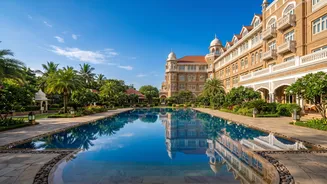
Climbing the ranks requires a unique blend of heritage and flawless modern service. The Taj Mahal Palace excels at this balance. Commissioned by Jamsetji Tata and predating the Gateway of India, it was a pioneering hotel from its inception. It was the first building in the city to feature electric lights and elevators and has a history intertwined with India's own journey, hosting freedom fighters and dignitaries for decades. Voters for the '50 Best' list would have experienced this rich history firsthand, from its grand Indo-Saracenic architecture to the priceless art lining its corridors. This is coupled with what the ranking body calls "exemplary design and hospitality". Its ability to offer deeply personalised service, world-class dining, and modern wellness offerings within a heritage setting is what elevates it from a beautiful building to one of the world's best experiences.
The Ripple Effect of a Top-Tier Ranking
Securing a spot on this list is more than just an award; it's a significant commercial and cultural driver. For the hotel, the ranking brings immense prestige, attracting global travellers and justifying its premium positioning, with room rates starting at approximately 25,000 rupees. It boosts bookings and solidifies its reputation in a competitive luxury market dominated by brands in Asia and Europe. For India, the Taj's success on the world stage is a powerful endorsement of the country's hospitality sector. While two other Indian hotels, The Johri in Jaipur and The Oberoi Udaivilas in Udaipur, made the extended 51-100 list, the Taj Mahal Palace's top-30 position serves as a global advertisement for Indian tourism, signalling that the nation offers luxury experiences that compete with the very best in the world.