



The Allure of Oil: A Slippery Subject
From ancestral wisdom to modern wellness trends, hair oiling holds a special place in beauty routines. Praised for adding shine, taming frizz, and nourishing the scalp, oils like coconut, argan, and jojoba have become go-to products. Many people turn
to them hoping to restore life to tired, dry strands, believing that a natural oil must be superior to a formulated conditioner. The logic seems simple: dry hair needs oil. But this simplification is where the trouble begins. While oils can make hair feel soft and look glossy, their primary function is often misunderstood. This leads to a frustrating cycle where hair looks shiny on the surface but remains dehydrated and brittle underneath.
What Conditioner Actually Does: The Hydration Hero
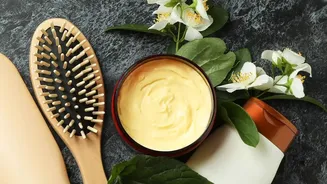
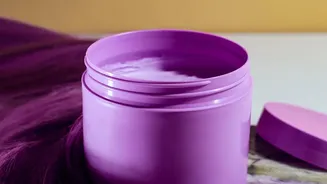
To understand why oil isn't a replacement, we first need to appreciate what conditioner does. Think of conditioner as a sophisticated hydration system. Its primary job is to infuse hair with moisture, which comes from water-based ingredients. Conditioners are formulated with humectants that draw moisture into the hair shaft and emollients that smooth the hair's outer layer, known as the cuticle. After shampooing, which can lift the cuticle scales and leave hair feeling rough, conditioner works to lay them flat again. This reduces frizz, minimizes tangles, and restores a soft, manageable texture. Essentially, conditioner provides the 'drink of water' that thirsty hair desperately needs.
The True Role of Oil: The Gatekeeper
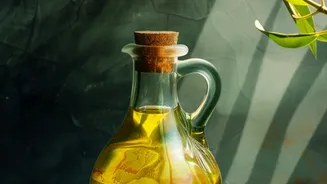
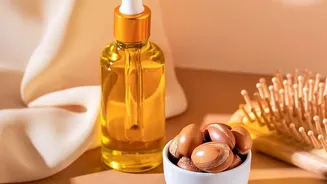
If conditioner provides moisture, what does oil do? Most oils are occlusive, meaning they form a barrier. Their role isn't to add water but to seal it in. When you apply oil, you're essentially creating a waterproof coating on the hair strand that prevents the moisture already inside from escaping. This is why oil is brilliant for adding shine, reducing friction between strands, and protecting hair from humidity. Some oils, like coconut oil, can penetrate the hair shaft to a degree, helping to reduce protein loss from within. However, their main benefit is sealing and protecting, not hydrating from scratch. They are the gatekeepers, not the water carriers.
The Dry Hair Dilemma: Locking Moisture Out
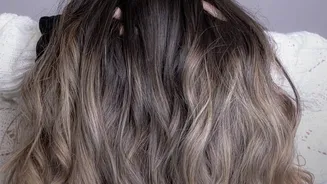
Herein lies the core problem for those with very dry hair. If your hair is already dehydrated—meaning it lacks water—and you apply oil to it, you are not locking in moisture. Instead, you are sealing the dryness in. Worse, that oily barrier can prevent any atmospheric moisture or water from hydrating sprays from getting into the hair shaft. This can lead to a paradoxical situation where your hair feels greasy or coated, yet remains stiff, brittle, and fundamentally dry underneath. It’s like putting a lid on an empty pot and expecting it to fill itself. For hair to be truly moisturized, water must come first.
Making Them Work Together: The Perfect Partnership
The solution isn't to demonize oil but to use it correctly. Oil and conditioner aren't rivals; they are partners that work best in a specific order. For a truly effective routine, always lead with hydration. After washing, apply your conditioner to infuse the hair with water-based moisture. Once your hair is conditioned and hydrated (whether you rinse it out or use a leave-in formula), you can then apply a small amount of oil to the lengths and ends. This final layer of oil will seal in all the hydration from your conditioner, control frizz, and add a final touch of shine. You can also use oil as a pre-shampoo treatment to protect your strands from the stripping effects of washing. This method allows each product to perform its role perfectly.