

Understanding the 'Red Gold'
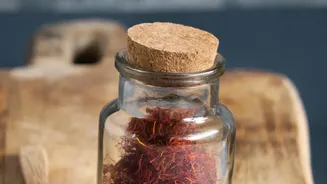
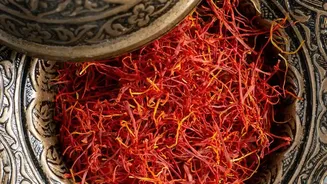
Saffron consists of the delicate, dried stigmas (or threads) of the Crocus sativus flower. Each flower produces only three threads, which must be harvested by hand, making it the most expensive spice in the world. Its flavour profile is complex and unique—a
subtle mix of earthy, floral, and honey-like notes with a slightly bitter finish. This delicate balance is what makes it so special. When buying saffron, look for long, all-red threads, often called 'Mogra' or 'Sargol' saffron, which indicates the highest quality. These should have a strong, fresh aroma. Avoid powdered saffron, which can often be adulterated with other substances like turmeric. To check for authenticity, place a few threads in warm water; real saffron will slowly release a beautiful golden-yellow hue while the threads themselves remain red.
The Secret to Maximum Flavour
To get the most out of your precious saffron, never add the dry threads directly to your food. The key is to 'bloom' them first. This simple technique unlocks the compounds responsible for colour (crocin), aroma (safranal), and flavour (picrocrocin). Simply take a pinch of saffron threads and gently crush them. Soak the crushed threads in a few tablespoons of warm (not boiling) liquid, such as milk, water, or broth, for at least 20-30 minutes before you start cooking. You will see the liquid turn a deep, rich golden colour. Add this entire infused liquid, along with the softened threads, to your dish, usually towards the end of the cooking process to preserve its delicate aroma. For dairy-based dishes like kheer or rasmalai, blooming saffron in warm milk is ideal as the fat helps to extract even more flavour.
Savoury Sensations Beyond Biryani
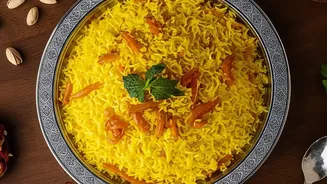
While saffron is the soul of a good biryani or pulao, its savoury applications are vast. In Indian cuisine, it lends a royal touch to creamy kormas and rich Mughlai dishes. A marinade of yoghurt, spices, and bloomed saffron can transform simple chicken or paneer into Murgh Kesar Tikka. Beyond India, saffron is the star of Spanish paella and Italian risotto Milanese. You can also add a pinch of bloomed saffron to lentil soups, stews, or even a simple pot of basmati rice to elevate it into something special. It pairs beautifully with flavours like garlic, onion, cardamom, cinnamon, and herbs like rosemary and thyme. A saffron-infused yogurt sauce or aioli can be a perfect accompaniment to grilled meats and vegetables.
The Sweet Side of Saffron
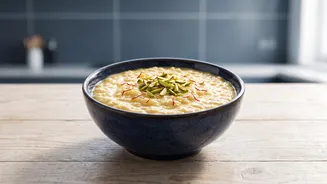
Saffron's floral, honeyed notes make it a natural fit for a wide array of Indian sweets. It is the defining ingredient in classics like Kesar Pista Kulfi, where its fragrance balances the creaminess of the milk. In Maharashtra, it lends its golden hue and aroma to Shrikhand, a sweet dish made from hung curd. Desserts like Kesar Phirni (a silky ground-rice pudding), Rasmalai (cottage cheese patties in saffron milk), and Kesar Peda are all elevated by this spice. You can also create a fragrant Zarda Pulao, a sweet rice dish with nuts and saffron. Its versatility extends to baking as well; consider adding saffron-infused milk to cakes, cookies, or custards for a festive and unique flavour. It pairs exceptionally well with nuts like almonds and pistachios, as well as rose water and cardamom.