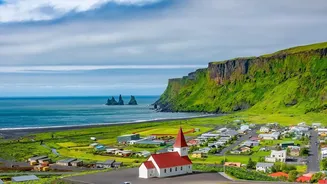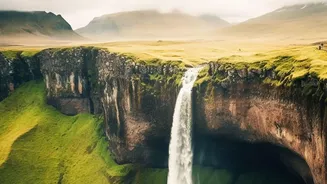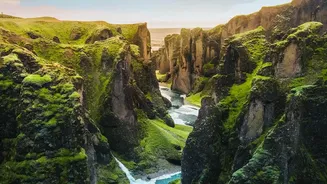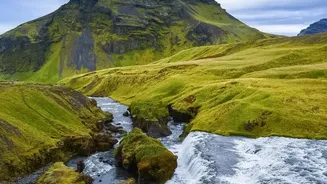


Why Planning Is Not Optional
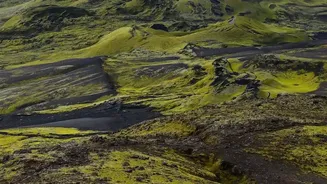
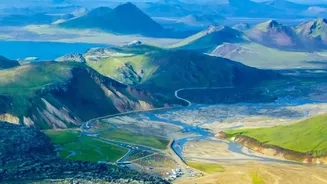
The very things that make Iceland’s interior so breathtaking—raw wilderness, unpaved tracks, and dramatic, weather-beaten mountains—are also what make it challenging to access. Unlike a drive along the mostly paved Ring Road, trips into remote areas are subject
to sudden changes. A road that was open in the morning can be closed by the afternoon due to a storm or a swollen river. Spontaneity is a wonderful part of travel, but in the Icelandic Highlands, it must be balanced with daily, even hourly, checks of official conditions. Flexibility isn't just a suggestion; it’s a core component of a successful and safe trip, as your itinerary may need to change at a moment's notice.
Understanding Iceland's Roads
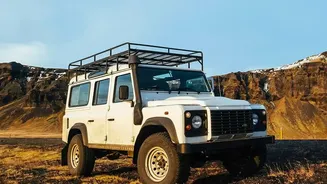
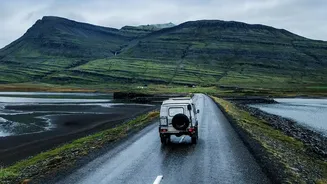
Icelandic roads fall into a few main categories. While the main Ring Road (Route 1) is almost entirely paved, rural areas and the Westfjords feature many gravel roads. These require slower speeds and careful handling. The most critical distinction for remote travel, however, is the F-road. The 'F' stands for 'Fjall', the Icelandic word for mountain. These are unpaved mountain tracks that are often narrow, rough, and may involve crossing rivers without bridges. Access to F-roads is legally restricted to 4x4 vehicles. Driving a standard 2WD car on an F-road is not only illegal and unsafe, but it will also void your rental insurance.
F-Roads: A Seasonal Adventure
F-roads are not open year-round. They are closed for most of the year due to snow and hazardous conditions. Typically, they begin to open in late June or early July and close again anywhere from late August to early October, depending on the first heavy snowfalls. These opening dates are not fixed and vary each year based on weather and road maintenance. Attempting to access an F-road before it is officially declared open is extremely dangerous. Always check the official status before heading out, as even a road that was open yesterday might be impassable today.
Heed the Ever-Changing Weather
Iceland's weather is famously unpredictable and can change in an instant. A sunny morning can turn into a blustering snowstorm or a windstorm with little warning, even in summer. Strong winds can be particularly hazardous, especially for larger vehicles like campervans. Fog can reduce visibility to near zero, and heavy rain can cause river levels to rise, making previously simple crossings treacherous. It is absolutely essential to make checking the weather forecast a part of your daily routine before you get behind the wheel. Driving according to the conditions, not just the speed limit, is paramount for safety.
Your Essential Planning Toolkit
Fortunately, Iceland provides excellent, real-time resources for travelers. Before and during your trip, these two official websites are non-negotiable daily checks. The first is road.is, the website for the Icelandic Road and Coastal Administration (IRCA). It provides up-to-the-minute information on road conditions, closures, and whether a road is passable. The second is en.vedur.is, the official site of the Icelandic Meteorological Office. It offers detailed weather forecasts, wind speed information, and precipitation warnings. Another invaluable resource is safetravel.is, which provides comprehensive safety alerts and travel advice.
The Right Vehicle for the Job
As mentioned, a 4x4 vehicle is legally required for all F-roads. When renting, be specific about your plans. Not all 4x4s are created equal. Smaller, all-wheel-drive SUVs may be suitable for easier gravel tracks, but the challenging F-roads of the Highlands often require a vehicle with higher ground clearance to navigate rocky terrain and river crossings. It's also crucial to understand your rental insurance. Most basic insurance policies do not cover damage caused by crossing rivers, which is one of the biggest risks of highland driving. If you are not experienced or comfortable with river crossings, it is best to avoid routes that require them.