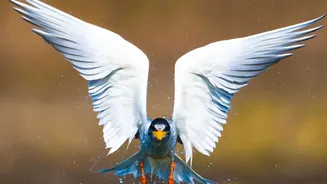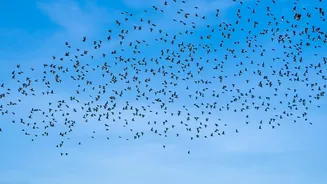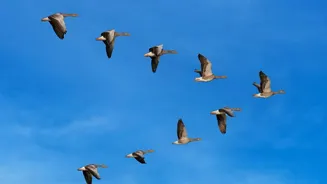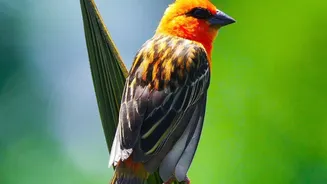

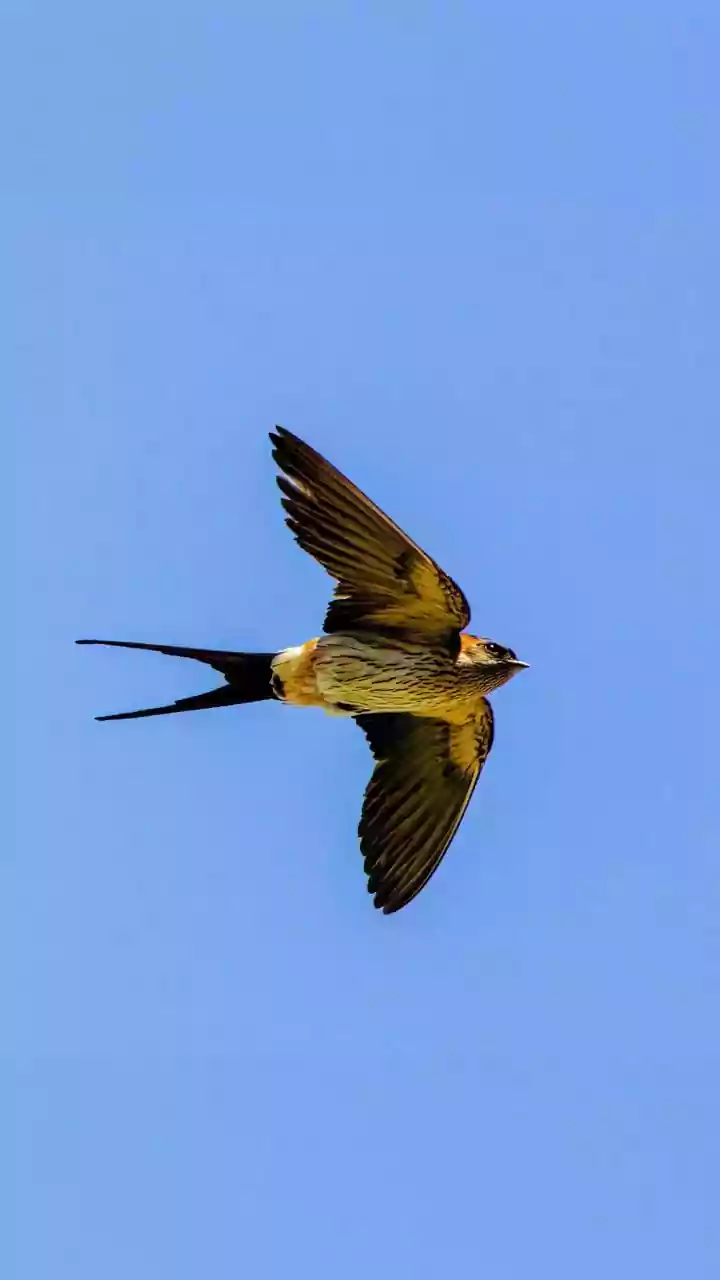




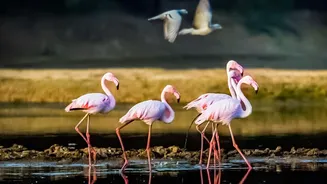
A Silent Crisis Unfolding
The numbers are alarming. A recent interim update to the landmark 'State of the World’s Migratory Species' report, backed by the United Nations, confirms a worsening crisis. The 2026 update reveals that 49% of migratory species protected under the Convention
on the Conservation of Migratory Species of Wild Animals (CMS) have declining populations. This is a sharp increase from 44% just two years prior. Even more worryingly, nearly a quarter of these species are now threatened with extinction. The data paints a grim picture for creatures great and small, from majestic whales to tiny songbirds, that depend on connected habitats across the globe for their survival. The most dramatic declines are seen in migratory fish, with a shocking 97% of listed species facing extinction.
The Human Fingerprint
The primary drivers behind this devastating trend are overwhelmingly human-caused. The two greatest threats identified are overexploitation and habitat loss. Overexploitation includes unsustainable hunting and fishing, as well as the incidental capture of non-target species. At the same time, the habitats these animals rely on for breeding, feeding, and resting are shrinking and becoming fragmented. This loss is driven by the expansion of agriculture, infrastructure development like dams and power lines, deforestation, and urban sprawl. Compounding these pressures are climate change, which disrupts migration timing and even alters the sex ratios of species like sea turtles, and widespread pollution, including plastic, chemical, light, and noise pollution.
The Indian Connection
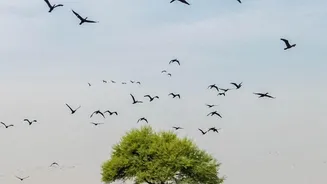
For India, these global trends have profound local consequences. The nation is a critical hub on the Central Asian Flyway (CAF), a major migratory route for birds travelling from the Arctic to the Indian Ocean. Millions of birds, including iconic species like the Siberian crane and Amur falcon, depend on India’s wetlands and grasslands as vital stopover sites. A 2023 report on India's birds highlighted that long-distance migrants have seen the steepest declines nationally, with some shorebird populations dropping by nearly 80%. The loss of these species is not just an ecological tragedy; it disrupts local ecosystems where they play key roles in pest control and pollination, and it represents a loss of natural heritage deeply woven into the country's culture.
Can We Turn the Tide?
While the outlook is bleak, the report stresses that coordinated conservation action can lead to recovery. Several species, including the saiga antelope, have seen their status improve thanks to targeted efforts. The key lies in international cooperation. Protecting species that cross national borders requires all countries along their migratory routes to work together. India has been spearheading the CAF initiative, a transboundary effort involving 30 countries to secure these flight paths. Recommendations from the UN report include strengthening efforts to tackle illegal taking, increasing the protection of key biodiversity areas, and making infrastructure projects like power lines bird-safe. Restoring and protecting the critical stopover sites that act as lifelines for these travellers is paramount.