









The Specifics of the Recall
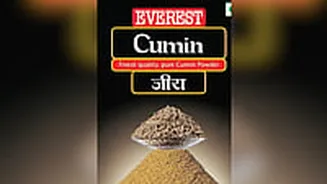
The Food Safety and Standards Authority of India (FSSAI) has ordered the immediate recall of 'Pre-packed Cumin Powder' from the brand Everest Food Products Private Limited. The recall is exclusively for Batch No. E080668761. No other batches of Everest cumin
powder or other products from the brand are part of this specific recall order. The action was initiated after a regulatory sample was collected from Riverside Resorts & Holiday Homes Pvt. Ltd. in Goa and subjected to laboratory testing.
Why Was It Declared Unsafe?
The FSSAI's decision came after two separate laboratory tests confirmed the presence of pesticide residues above the maximum levels permitted by Indian food safety laws. Specifically, the tests found excessive amounts of Azoxystrobin, a fungicide, and Thiamethoxam, an insecticide. After the initial test by a Food Analyst declared the sample 'UNSAFE' under the Food Safety and Standards Act, 2006, the findings were upheld by a Referral Food Laboratory, confirming the contamination. These substances are used in agriculture to protect crops from fungi and pests, but their residue levels in food products are strictly regulated to protect consumer health.
What Consumers Should Do Now
If you have a packet of Everest cumin powder at home, the first step is to check the batch number printed on the packaging. If it matches Batch No. E080668761, you should stop using it immediately. FSSAI has directed Everest to withdraw all products from this batch from the market. Consumers are advised to either dispose of the product or return it to the point of purchase, if possible. While health experts note that accidental, infrequent consumption is unlikely to cause immediate illness, they caution that the risk depends on factors like the quantity consumed and an individual's health. The primary concern with such contaminants is often linked to long-term exposure.
FSSAI’s Role in Food Safety
This recall is part of FSSAI's broader mandate to ensure the safety and quality of food sold across India. The authority sets standards for food products, including permissible limits for contaminants like pesticides, and conducts regular surveillance and testing. When a product is found to be non-compliant and poses a health risk, FSSAI has the power to order recalls, suspend licenses, and instruct companies to take corrective measures to prevent future occurrences. In this case, Everest has been instructed to maintain complete records of the recalled stock and report on the progress of the withdrawal.
The Wider Issue of Spice Adulteration
While this recall is specific to pesticide residues, it highlights a persistent concern for Indian consumers: the adulteration of spices. Powdered spices are particularly vulnerable because it is difficult for a consumer to visually identify what has been mixed into the product. Common adulterants can range from cheaper fillers like starch, sawdust, or flour to non-permitted and potentially harmful dyes used to enhance colour. FSSAI regulations explicitly prohibit the sale of loose powdered spices to combat this very issue, making it crucial for consumers to purchase from reputable brands and check for the FSSAI logo and license number on the packaging.
How to Be a Vigilant Consumer
Protecting your kitchen from contaminated products starts with smart shopping. Always buy packaged spices from trusted brands and retailers. Before purchasing, inspect the packaging to ensure it is properly sealed and not tampered with. Avoid buying spices sold loosely, as they carry a higher risk of being adulterated. While a spice might look and smell normal, only laboratory tests can confirm its safety against contaminants like pesticides or heavy metals. Staying informed through official FSSAI channels and news reports about product recalls is another key step in ensuring the food you consume is safe.