






The Science of Sweetness
So, what exactly happens inside that foil packet? The magic is all down to chemistry. Raw garlic gets its aggressive punch from a compound called allicin, which is only created when the garlic's cell walls are broken by chopping or crushing. This is why
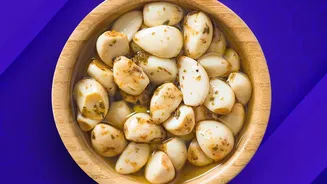
freshly minced garlic has such a potent aroma and a nearly spicy flavour. Slow roasting, however, changes the game entirely. The gentle, sustained heat deactivates the enzyme that produces the harsh allicin. As those sharp sulfur compounds break down, the natural sugars present in the garlic begin to caramelize. This process, along with the Maillard reaction, mutes the sharp bite and creates the deep, nutty, and noticeably sweet flavour that makes roasted garlic so irresistible.
All You Need Are Pantry Staples
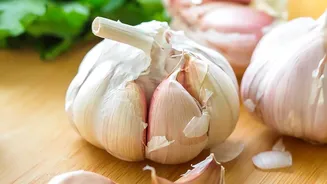
One of the best parts about this technique is its simplicity. You don't need any special equipment or fancy ingredients to unlock this incredible flavour. All it takes is a whole head of garlic, a drizzle of olive oil, and a pinch of salt and pepper. The olive oil helps the garlic cook evenly, preventing it from drying out while promoting that beautiful golden-brown colour. The salt simply enhances the final flavour. It’s a perfect example of how basic pantry items can be used to create something truly special in the kitchen.
A Simple Guide to Roasting Garlic
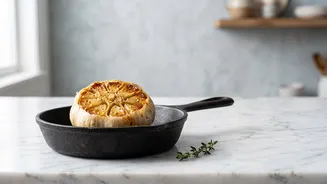
Ready to try it for yourself? The process is wonderfully straightforward. Start by preheating your oven to around 200°C (400°F). Take a whole head of garlic and, using a sharp knife, slice about a quarter-inch off the top to expose the individual cloves. Place the garlic head on a piece of aluminium foil. Drizzle the exposed cloves generously with olive oil, ensuring it seeps down between them, and then sprinkle with a little salt and pepper. Wrap the garlic snugly in the foil to create a sealed packet. Place it directly on the oven rack or in a small baking dish and let it roast.
Knowing When It’s Perfectly Roasted
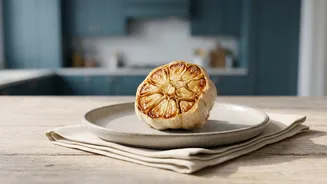
Your nose is the first indicator that something wonderful is happening. After about 40 minutes, your kitchen will be filled with a warm, nutty aroma that’s nothing like the sharpness of raw garlic. Roasting time can vary depending on the size and age of your garlic, but it typically takes between 45 to 60 minutes. You’ll know it’s done when the cloves are a beautiful golden-brown colour and feel completely soft when gently squeezed. Once it’s cool enough to handle, the creamy, caramelized cloves can be easily squeezed out of their papery skins.
Endless Ways to Use Your Roasted Garlic
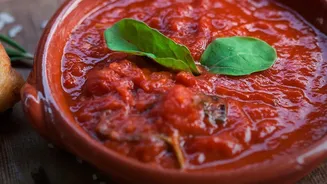
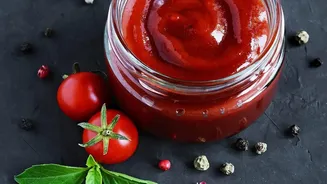
Once you have a batch of this “kitchen gold,” you’ll find countless ways to use it. The soft cloves can be spread directly onto warm, crusty bread for an instant appetiser. For a flavour-packed main course, try mixing the roasted garlic into mashed potatoes, stirring it into pasta sauces, or making a compound butter to melt over a hot steak. It elevates simple dips like hummus and can be whisked into salad dressings for a touch of umami-rich sweetness. You can even smear it on a pizza base before adding your other toppings. Because its flavour is much milder than raw garlic, you can use it more generously in your favourite recipes.