







What is Red Rot?
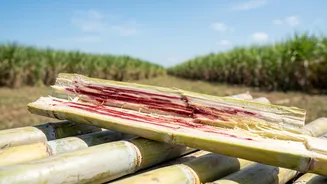
Known to agricultural scientists as the “cancer of sugarcane,” Red Rot is a fungal disease caused by Colletotrichum falcatum. It rots the sugarcane stalk from the inside, turning its internal tissues a distinct brick red, often broken by white patches.
The infection ferments the juice, creating a sour, alcoholic smell and drastically reducing the sucrose content. In severe cases, the stalk dries out and collapses entirely, making it useless for sugar production. The disease spreads through infected planting materials, soil, and irrigation water, with warm, humid conditions during monsoon season accelerating its transmission. Government officials have explicitly named Red Rot, alongside other factors like excess rainfall, as a key reason for lower sugar production estimates.
The Fall of a 'Wonder Cane'
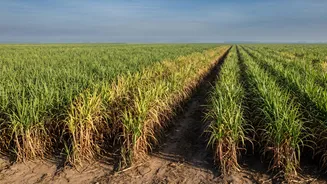
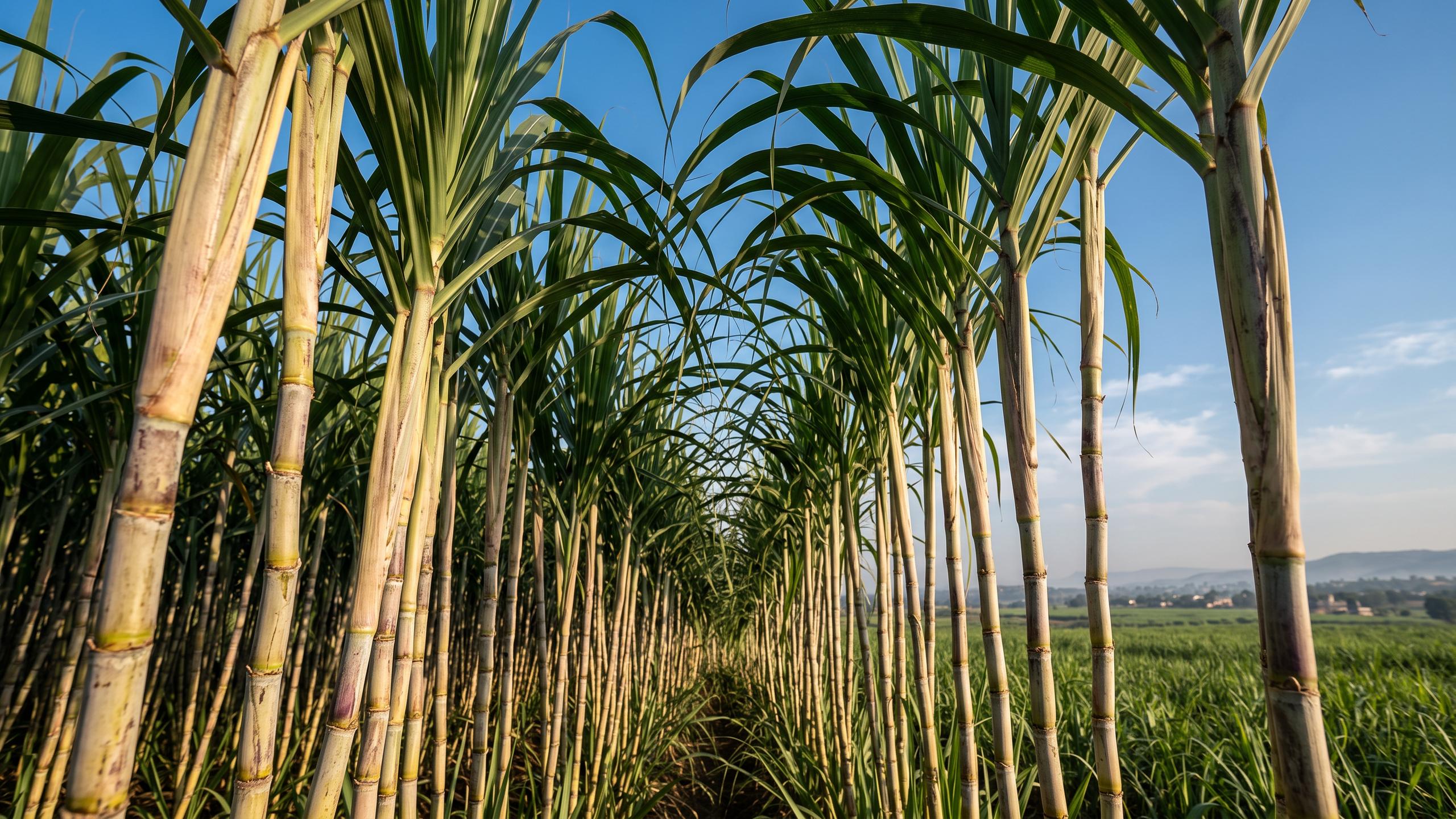
A major reason this disease has had such a widespread impact is the vulnerability of a single, once-dominant sugarcane variety: Co 0238. Released in 2009, Co 0238 was hailed as a 'wonder cane' for its high yields and impressive sugar content. It was rapidly adopted by farmers across the sugar belt, especially in Uttar Pradesh, India's largest sugar-producing state, where it covered over 80% of the cane area at its peak. This monoculture, however, created the perfect conditions for a disaster. A new, more virulent strain of the Red Rot fungus evolved, one specifically capable of breaking the resistance of Co 0238. The very crop that drove India's sugar surplus became its biggest liability, leading to what scientists call a 'varietal breakdown'. Authorities in states like Uttar Pradesh are now urging farmers to replace Co 0238 with newer, more resistant varieties to contain the epidemic.
From Farm Crisis to Kitchen Budget
The economic chain reaction is direct and punishing. Red Rot doesn't just reduce the total weight of the harvested cane; it critically lowers the sugar recovery rate at the mills. This means factories produce less sugar from the same amount of crushed cane, tightening the overall supply. This production shortfall has been significant. Production for the current season is now expected to be around 306 lakh metric tonnes (LMT), a sharp drop from initial estimates of 343 LMT. With India's annual domestic consumption standing at about 280-290 LMT, the buffer has shrunk considerably. This supply squeeze comes just ahead of the festive season when demand for sweets and beverages surges. Consequently, average retail sugar prices have jumped significantly, rising from around ₹48 per kg in late July 2026 to over ₹55 by late August, with some markets reporting even higher prices.
A Complicated National Picture
While Red Rot is a primary culprit, it is not acting alone. The government also points to disruptive weather patterns, including excess rainfall causing waterlogging, and global supply deficits as contributing factors. This has created a perfect storm for price inflation. In response, the government has taken several steps, including allowing for the temporary duty-free import of raw sugar to bolster domestic stocks and reassuring the public that current supplies are adequate to meet demand until the new crushing season begins in October. However, the crisis has also ignited a political debate, with some opposition leaders arguing that the government's policy of diverting sugarcane for ethanol production has also limited the amount available for sugar, a claim the government has refuted. For now, the focus remains on managing the immediate price impact and finding long-term solutions at the farm level.