





What is 'Double Carbing'?
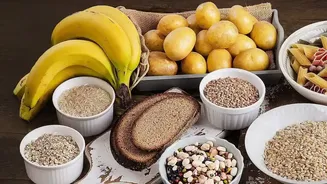
Double carbing isn’t a formal medical term, but a popular phrase to describe eating two significant sources of carbohydrates in the same meal. Think of a plate with both potatoes and bread, a burger served with a large side of fries, or in an Indian context,
eating naan with a portion of biryani. While combining carbs isn't inherently bad, the problem often arises from the type of carbs being paired. When both sources are refined—meaning they have been processed and stripped of their natural fibre and nutrients—it sets the stage for a metabolic rollercoaster that can easily lead to eating more than you intended.
The Refined Carb Effect on Your Body
Refined carbohydrates, like white flour, white rice, and sugar, are often called 'simple' or 'empty' carbs for a good reason. During processing, the bran and germ are removed from the grain, which strips out most of the fibre, vitamins, and minerals. Because they lack fibre, your body digests them very quickly. This rapid digestion floods your bloodstream with sugar, causing a sharp spike in blood sugar and a corresponding surge of insulin to manage it. Insulin’s job is to move sugar out of the blood and into your cells for energy. However, the aggressive insulin response to a refined carb overload can work a little too well, causing your blood sugar to crash an hour or two later. This crash sends a powerful signal to your brain that you're hungry again, often triggering cravings for more of the same quick-energy foods.
Why This Cycle Leads to Overeating
That blood sugar spike-and-crash cycle is the key reason why double carbing with refined carbohydrates makes overeating so easy. When your blood sugar plummets, your body doesn’t just feel mild hunger; it can trigger intense cravings and stimulate parts of the brain associated with reward. You might feel irritable, tired, and have brain fog, all of which your brain interprets as a need for more fuel, fast. You reach for another quick-fix carb, and the cycle repeats. These foods provide a short-term feeling of fullness that quickly fades, unlike fibre-rich complex carbs that provide sustained energy and satiety. This vicious cycle can lead to consuming excess calories, weight gain (particularly around the belly), and over time, may increase the risk for conditions like insulin resistance and type 2 diabetes.
Smarter Ways to Build Your Plate
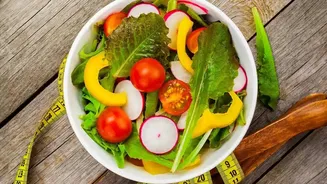
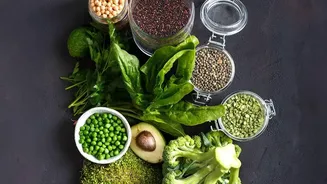
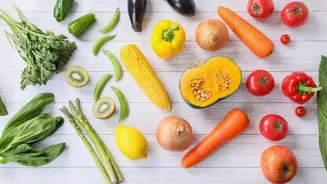
The solution isn't to declare war on all carbohydrates. Carbs are a vital source of energy for your body. The goal is to be more mindful of your pairings and prioritise quality. Instead of doubling up on refined carbs, try a 'pair and balance' approach. Combine one source of high-quality, complex carbohydrate with lean protein and healthy fats. For example, instead of pasta with garlic bread, have a smaller portion of whole-wheat pasta with a generous serving of grilled chicken or chickpeas and vegetables. Instead of having both rice and roti, choose one and load the rest of your plate with dal, paneer, or a vegetable sabzi. These balanced meals slow down digestion, prevent dramatic blood sugar swings, and keep you feeling fuller and more satisfied for longer, effectively breaking the overeating cycle.